 By admin
 Your body may be warning you about kidney damage long before pain appears. These 10 hidden signs could save your life if caught early.
Your kidneys work silently every single day, filtering waste, balancing fluids, regulating blood pressure, and keeping your body functioning properly. But when these vital organs begin to struggle, the warning signs are often subtle and easy to ignore. Many people dismiss the symptoms as stress, aging, or simple fatigue—until serious kidney damage has already occurred.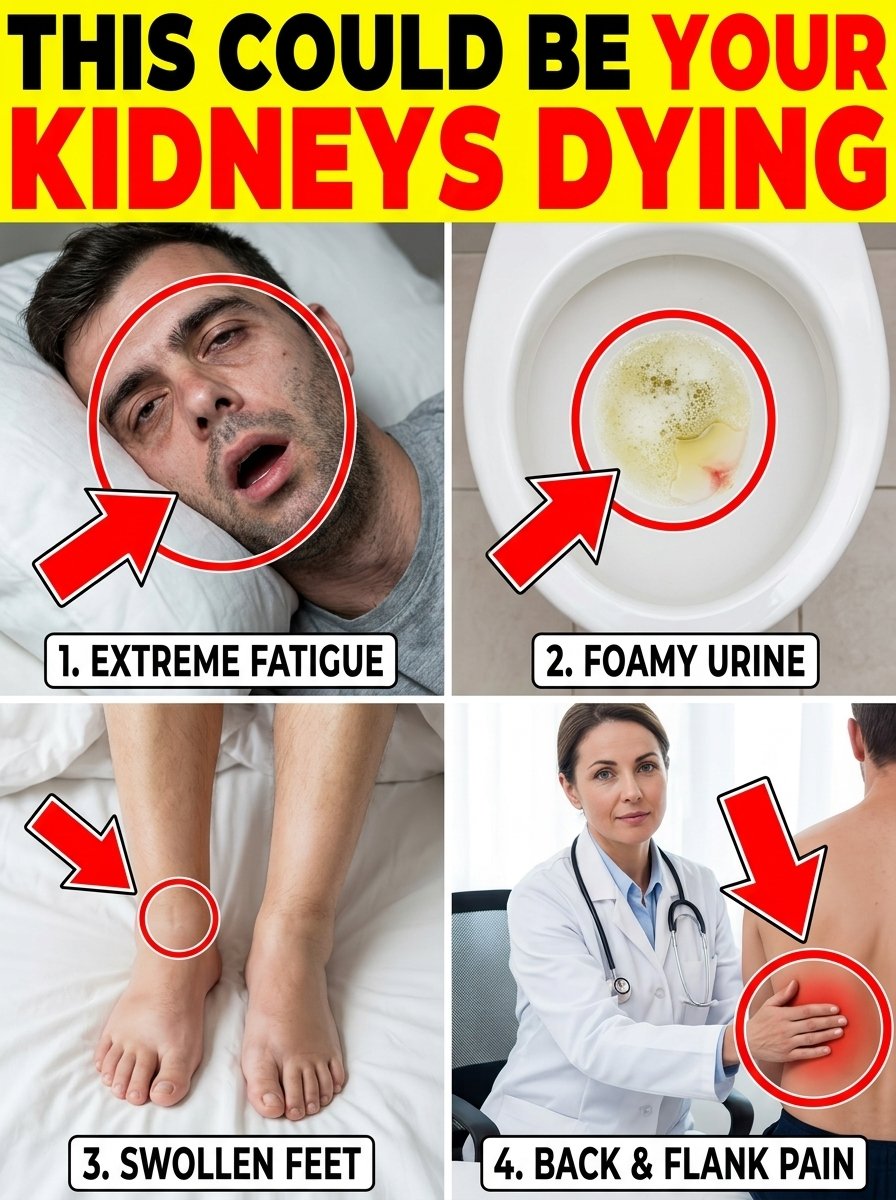
Recognizing the early signs of kidney trouble can make a life-changing difference. Here are 10 surprising symptoms that may indicate your kidneys need immediate attention.
1. Constant Fatigue and Low Energy
Healthy kidneys help produce a hormone that supports red blood cell production. When kidney function declines, your body may produce fewer red blood cells, leading to anemia. This can leave you feeling exhausted, weak, dizzy, and mentally drained even after a full night’s sleep.
If your energy levels continue dropping for no obvious reason, your kidneys could be struggling behind the scenes.
2. Swollen Feet, Ankles, or Hands
Kidneys help remove excess sodium and fluids from the body. When they stop working efficiently, fluid buildup may occur, causing swelling in the feet, ankles, legs, face, or hands.
Persistent puffiness is not something to ignore. It may signal that your kidneys are no longer filtering waste properly.
3. Changes in Urination
One of the earliest kidney warning signs involves changes in bathroom habits. Watch for symptoms such as:
- Frequent urination, especially at night
- Foamy or bubbly urine
- Dark, pale, or bloody urine
- Pain or pressure while urinating
- Reduced urine output
These changes may indicate kidney damage, infection, or impaired filtration.
4. Persistent Back Pain
Pain near the lower back or side—especially beneath the ribs—can sometimes be linked to kidney problems. Kidney infections or kidney stones may trigger sharp pain that spreads toward the abdomen or groin.
Unlike muscle pain, kidney discomfort often persists and may be accompanied by fever, nausea, or urinary issues.
5. Puffy Eyes in the Morning
Waking up with swollen or puffy eyes may indicate protein leakage in the urine, a common sign that kidney filters are damaged.
Many people assume this symptom is caused by poor sleep or allergies, but ongoing puffiness could point to declining kidney health.
6. Dry, Itchy Skin
Your kidneys play a major role in balancing minerals and removing toxins from the bloodstream. When waste products accumulate, the skin may become dry, irritated, or intensely itchy.
Chronic itching without an obvious cause can sometimes be a hidden sign of advanced kidney dysfunction.
7. Metallic Taste or Bad Breath
A buildup of toxins in the blood can alter your sense of taste and create persistent bad breath. Some people describe a metallic taste in the mouth or suddenly lose interest in foods they once enjoyed.
This symptom may appear as kidney function worsens and toxins begin affecting the digestive system.
8. Muscle Cramps and Weakness
Electrolyte imbalances caused by poor kidney function can lead to painful muscle cramps, spasms, or weakness—especially in the legs.
Low calcium and abnormal phosphorus levels are common contributors to these symptoms.
9. Difficulty Concentrating
When toxins accumulate in the bloodstream, oxygen delivery to the brain may decrease. This can result in poor concentration, memory problems, confusion, or brain fog.
Many people blame stress or aging without realizing their kidneys may be involved.
10. High Blood Pressure That Won’t Improve
The kidneys and blood pressure are deeply connected. Damaged kidneys can contribute to rising blood pressure, while uncontrolled hypertension can further harm the kidneys.
This dangerous cycle often develops silently for years before symptoms become severe.
Why Early Detection Matters
Kidney disease is often called a “silent killer” because symptoms may not appear until significant damage has already occurred. The good news is that early action can slow progression and protect kidney function.
Simple lifestyle habits can make a major difference:
- Drink enough water daily
- Reduce excess salt and processed foods
- Control blood sugar and blood pressure
- Avoid smoking and excessive alcohol
- Exercise regularly
- Limit unnecessary painkiller use
- Schedule regular health checkups
Your kidneys are essential for survival, yet many people overlook the signals their body sends. Listening to these early warning signs could help prevent serious complications and improve long-term health.
If you notice several of these symptoms, seeking medical advice early may protect not only your kidneys—but your entire quality of life.