 By admin
 The pain from kidney stones is often compared to childbirth — and many people ignore the early warning signs until it’s too late.
Kidney stones are one of the most painful health conditions many people can experience. These tiny, hard mineral deposits form inside the kidneys and can travel through the urinary tract, causing intense discomfort, burning sensations, and serious complications if left untreated. While some kidney stones are small enough to pass naturally, others can grow larger and block the flow of urine, leading to infection or kidney damage.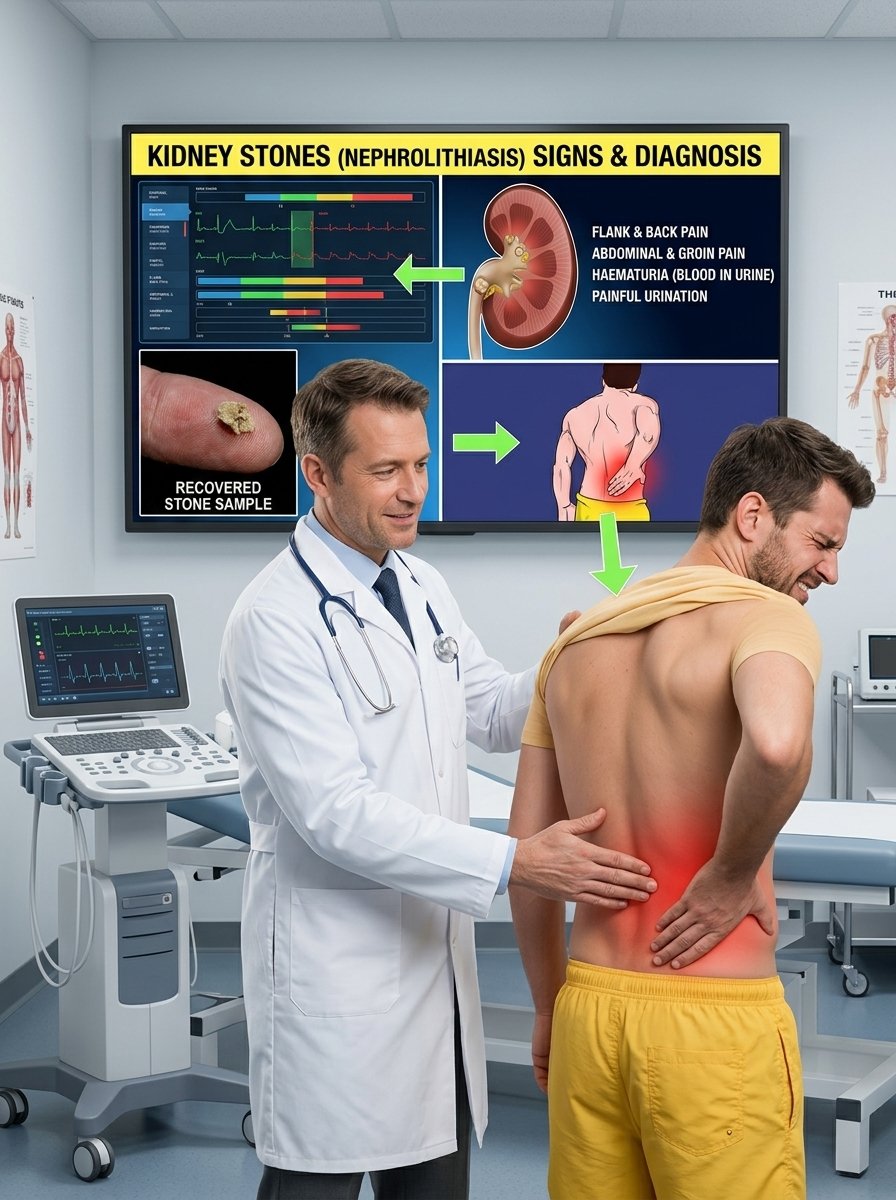
Understanding the warning signs early can help prevent severe pain and protect your kidney health before the condition becomes dangerous.
What Exactly Are Kidney Stones?
Kidney stones develop when minerals and salts in the urine become concentrated and crystallize. Over time, these crystals stick together and form hard masses. Dehydration is one of the biggest causes, but diet, obesity, genetics, excessive salt intake, and certain medical conditions can also increase the risk.
There are different types of kidney stones, including calcium stones, uric acid stones, and infection-related stones. Regardless of the type, the symptoms can quickly become unbearable once the stone begins moving through the urinary tract.
Common Symptoms of Kidney Stones
1. Severe Pain in the Back or Side
One of the most recognizable signs is sudden, sharp pain in the lower back, side, or below the ribs. The pain often comes in waves and may spread toward the lower abdomen or groin. Many people describe it as one of the strongest pains they have ever felt.
2. Burning Sensation During Urination
When a kidney stone moves closer to the bladder, urination can become painful. You may feel burning, stinging, or irritation while passing urine. This symptom is sometimes mistaken for a urinary tract infection.
3. Frequent Urge to Urinate
Kidney stones can irritate the urinary tract and create a constant feeling of needing to urinate, even when the bladder is nearly empty. Some people notice they wake up multiple times during the night to use the bathroom.
4. Blood in the Urine
Urine may appear pink, red, or brown when a kidney stone scratches the lining of the urinary tract. Even tiny amounts of blood can be a warning sign that something serious is happening inside the kidneys.
5. Cloudy or Foul-Smelling Urine
Strong-smelling or cloudy urine may indicate infection or excessive mineral buildup. If this symptom appears together with pain or fever, medical attention may be needed immediately.
6. Nausea and Vomiting
The kidneys and digestive system are closely connected through nerve pathways. Intense kidney stone pain can trigger nausea, vomiting, and stomach discomfort, especially during severe attacks.
7. Fever and Chills
Fever combined with kidney stone symptoms may signal a dangerous urinary tract infection. This can become life-threatening if bacteria spread to the kidneys or bloodstream. Immediate medical treatment is essential in these cases.
Why Kidney Stones Should Never Be Ignored
Many people try to tolerate the pain and hope the stone will pass naturally. However, untreated kidney stones can lead to urinary blockage, repeated infections, kidney swelling, or even permanent kidney damage.
Large stones may require medical procedures such as shock wave therapy, laser treatment, or surgical removal. Early diagnosis can often reduce complications and help avoid invasive treatments.
Natural Ways to Help Prevent Kidney Stones
While not every case can be prevented, healthy habits greatly reduce the risk:
- Drink plenty of water every day to keep urine diluted.
- Reduce excessive salt and processed food intake.
- Limit sugary beverages and excessive soft drinks.
- Eat more fruits and vegetables rich in potassium and antioxidants.
- Maintain a healthy body weight.
- Avoid chronic dehydration, especially in hot weather.
Lemon water may also help because citrate can reduce crystal formation in some people. However, severe symptoms should always be evaluated by a healthcare professional.
When to Seek Immediate Medical Attention
Do not ignore symptoms if you experience:
- Extreme pain that does not improve
- Fever or chills
- Vomiting that prevents drinking fluids
- Difficulty urinating
- Visible blood in the urine
Quick treatment can prevent serious complications and protect long-term kidney function.
Final Thoughts
Kidney stones may start silently, but once symptoms appear, the pain can become overwhelming. Paying attention to early warning signs, staying hydrated, and maintaining healthy daily habits can significantly lower your risk. Your kidneys work hard every day to filter toxins and keep your body balanced — protecting them should always be a priority.