 By admin
 Experts reveal why some people still suffer from bad breath despite cleaning their teeth every day. Reason number 4 may surprise you!
Many people feel confused when their breath remains unpleasant even though they brush their teeth every day. Some even use mouthwash regularly, clean their tongue, and floss, yet bad breath continues to affect their confidence.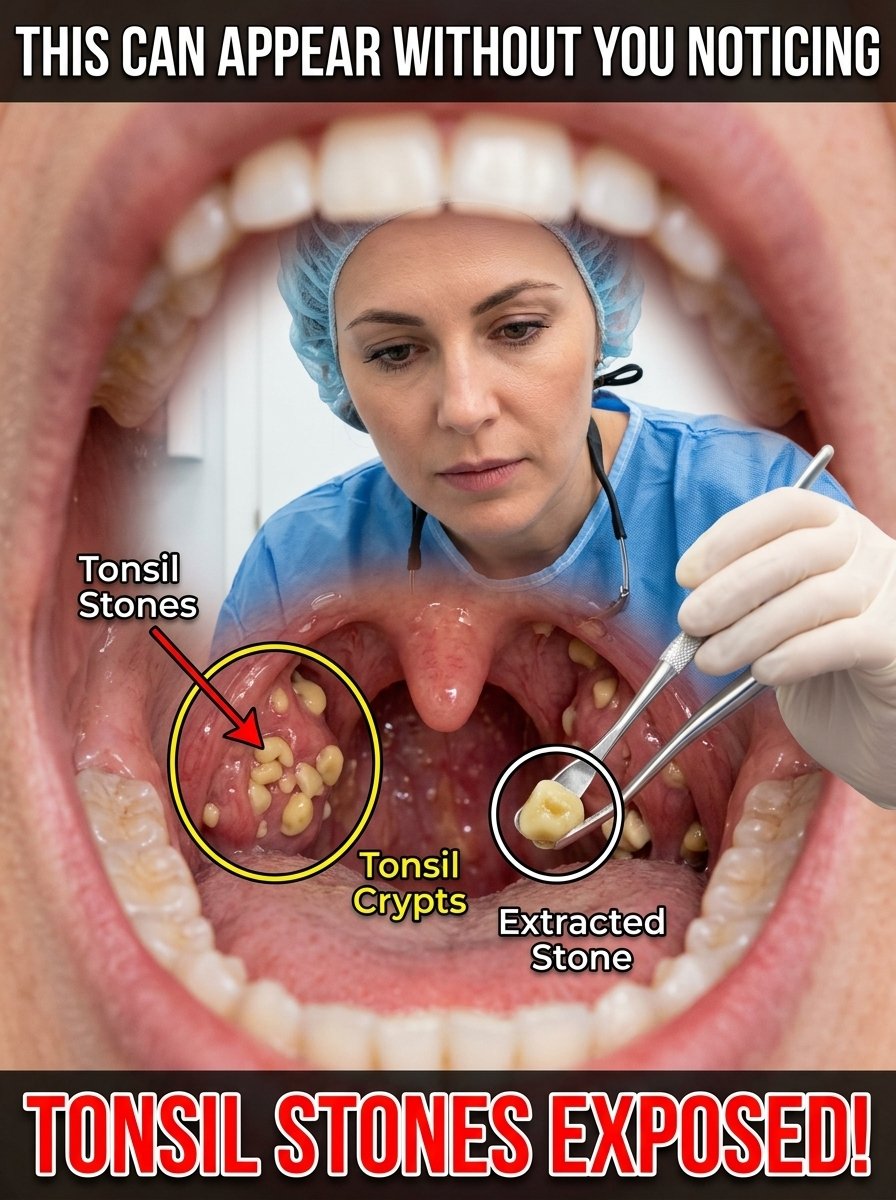
This condition, known as halitosis, is not always caused by poor oral hygiene. In many cases, the root cause may be hidden and often goes unnoticed.
1. Bacteria Buildup on the Tongue
Brushing your teeth alone may not be enough to keep your breath fresh. The tongue is one of the favorite places for millions of bacteria to thrive. Food debris, dead cells, and bacteria that accumulate on the tongue’s surface can produce sulfur compounds responsible for unpleasant odors.
Regularly cleaning your tongue can help reduce odor-causing bacteria and improve breath freshness.
2. Gum Problems and Tartar Buildup
Inflamed gums, excessive tartar buildup, or infections affecting the tissues supporting the teeth can become major sources of chronic bad breath. Bacteria growing in these areas release strong-smelling substances that cannot be eliminated by brushing alone.
If your gums bleed easily, appear swollen, or feel painful while brushing, it is advisable to consult a dentist.
3. Dry Mouth You May Not Notice
Saliva acts as the mouth’s natural cleansing system. When saliva production decreases, bacteria can multiply more easily and produce unpleasant odors.
Dry mouth may result from dehydration, breathing through the mouth, certain medications, or sleeping with your mouth open.
Drinking more water and maintaining proper oral moisture can help reduce this problem.
4. Throat and Tonsil Problems
Tonsil stones, tonsillitis, or throat infections can be hidden causes of persistent bad breath. Food particles and bacteria trapped in the tonsils may create a very strong odor.
Many people focus on their teeth and tongue without realizing that the actual source of the problem may be located at the back of the throat.
5. Sinus and Nasal Issues
Sinus infections, excessive mucus production, or respiratory tract problems can also affect breath odor. Mucus draining into the back of the throat creates an environment where bacteria can grow and generate unpleasant smells.
If bad breath is accompanied by nasal congestion, headaches, or persistent mucus, sinus problems may be involved.
6. Acid Reflux
Acid reflux, also known as GERD, is often associated with stubborn bad breath. When stomach acid rises into the esophagus, unpleasant odors can travel upward and affect your breath.
Other common symptoms include a burning sensation in the chest, a bitter taste in the mouth, and frequent burping.
7. A Sign of Certain Health Conditions
In some cases, bad breath can be an early warning sign of more serious health issues, such as diabetes, respiratory disorders, chronic infections, or other medical conditions.
If bad breath persists despite maintaining good oral hygiene, a comprehensive medical evaluation is recommended.
Natural Ways to Help Reduce Bad Breath
- Brush your teeth at least twice a day.
- Clean your tongue regularly.
- Use dental floss to remove debris between teeth.
- Drink plenty of water.
- Avoid smoking and excessive alcohol consumption.
- Eat fresh fruits and vegetables that help cleanse the mouth naturally.
- Schedule regular dental checkups.
Bad breath is not always just a hygiene issue. It can sometimes be a signal that your body is experiencing an underlying health problem. By identifying the true cause, you can take appropriate action, improve your oral health, and regain your confidence with fresher breath.