 By admin
 ⚠️ You Wake Up Every Morning… But Your Blood Sugar May Already Be Destroying Your Body!
👉 7 dangerous warning signs you should NEVER ignore.
Many people wake up every morning believing they are healthy, unaware that their blood sugar levels may already be silently damaging their body. High blood sugar often develops gradually, and the warning signs can appear long before a diagnosis of diabetes is made. The body sends subtle signals every morning, but these symptoms are often ignored or mistaken for stress, fatigue, or aging.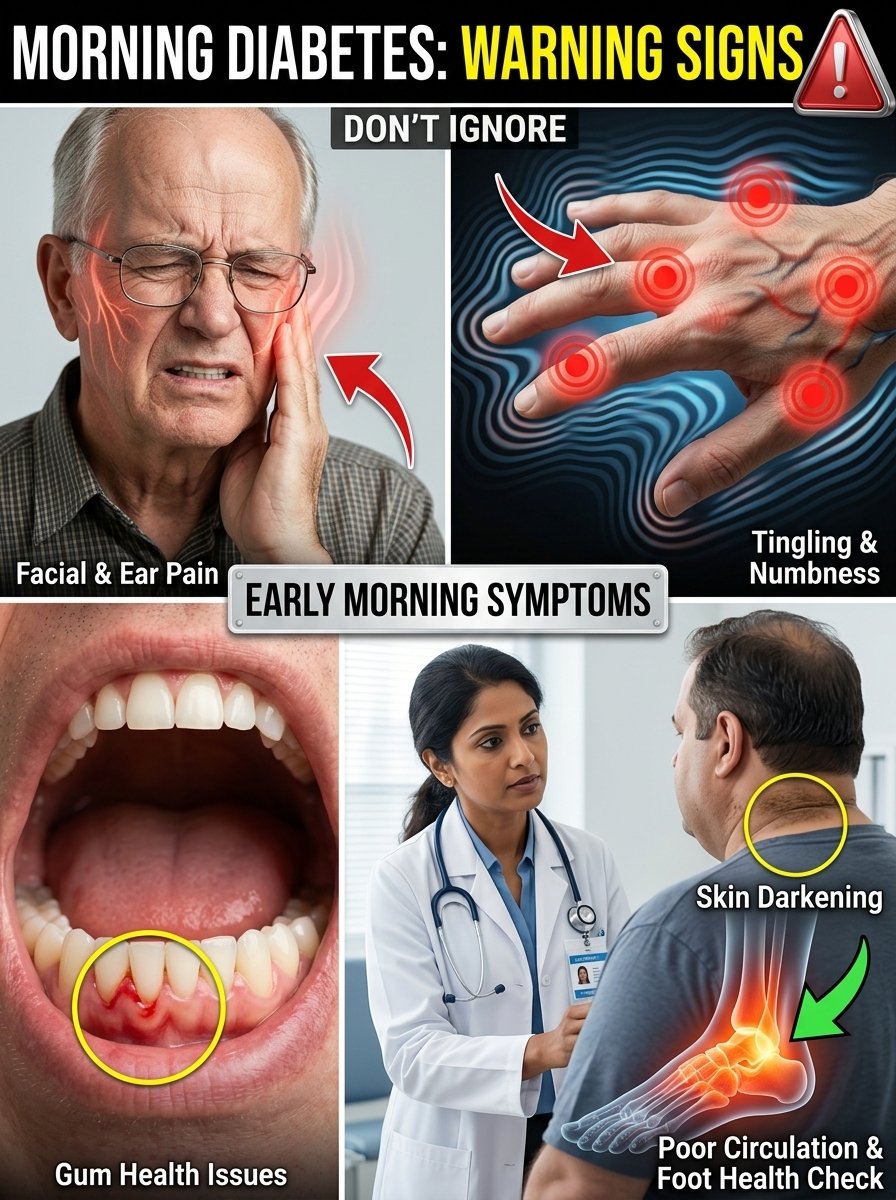
Recognizing these early warning signs can help prevent serious complications such as nerve damage, kidney disease, vision problems, heart disease, and chronic fatigue. According to medical experts, uncontrolled blood sugar can slowly affect nearly every organ in the body if left untreated.
1. Waking Up Extremely Thirsty
One of the earliest and most common warning signs is intense thirst immediately after waking up. When blood sugar levels remain high overnight, the kidneys work harder to remove excess glucose through urine. This causes dehydration, leaving the mouth dry and the body craving water.
If you constantly wake up with a dry mouth, cracked lips, or an urgent need to drink water, your blood sugar may be higher than normal. Persistent thirst combined with frequent urination is considered a major warning sign of hyperglycemia.
2. Frequent Morning Urination
Do you wake up several times during the night to urinate? Or rush to the bathroom first thing in the morning? Excess glucose in the bloodstream forces the kidneys to filter and flush out more fluid. This can lead to frequent urination, especially during the night and early morning hours.
Over time, this constant fluid loss can increase the risk of dehydration, fatigue, electrolyte imbalance, and kidney stress. Many people dismiss this symptom as simply “drinking too much water,” when it may actually be a sign that blood sugar levels are dangerously elevated.
3. Blurred Vision After Waking Up
High blood sugar can affect the tiny blood vessels and fluid balance inside the eyes. As glucose levels rise, the lenses of the eyes may swell temporarily, causing blurry vision, difficulty focusing, or sensitivity to light.
Some people notice that their eyesight is blurry in the morning but improves later in the day. Others may struggle to read text on their phone immediately after waking. If ignored for too long, uncontrolled blood sugar can eventually contribute to diabetic retinopathy and permanent vision damage.
4. Extreme Morning Fatigue
Feeling exhausted even after a full night of sleep may be more than simple tiredness. When insulin is not working properly, glucose cannot efficiently enter the cells to provide energy. As a result, the body remains “fuel-starved” despite high sugar levels in the bloodstream.
This can lead to heavy fatigue, brain fog, dizziness, low motivation, and difficulty concentrating in the morning. Many people with unstable glucose levels also experience sudden energy crashes later in the day.
5. Constant Hunger Soon After Waking
Another dangerous sign is feeling hungry shortly after eating breakfast or waking up starving every morning. Blood sugar spikes and crashes can confuse the body’s hunger signals, making you crave sugary foods or carbohydrates.
This cycle often leads to overeating, weight gain, insulin resistance, and worsening glucose control. Persistent hunger combined with fatigue and cravings should never be ignored, especially in adults over 40.
6. Tingling or Numbness in Hands and Feet
High blood sugar can slowly damage the nerves, particularly in the hands, feet, and legs. Many people first notice this symptom in the morning as tingling fingers, burning sensations, numb toes, or a “pins and needles” feeling after waking up.
This condition, known as diabetic neuropathy, may worsen over time if blood sugar remains uncontrolled. Early intervention is essential to help protect nerve health and circulation.
7. Slow Healing and Frequent Skin Problems
If small cuts, bruises, or skin irritations take a long time to heal, high blood sugar may be interfering with circulation and immune function. Elevated glucose levels weaken the body’s natural healing process and increase the risk of infections.
Some people also develop itchy skin, dark skin patches, recurrent fungal infections, or unexplained redness. These symptoms may appear mild at first but can become serious when ignored.
Why Morning Blood Sugar Matters
Many people experience what doctors call the “dawn phenomenon,” where hormones released in the early morning cause blood sugar to rise naturally. In people with insulin resistance or diabetes, the body struggles to regulate this spike properly, resulting in unusually high glucose levels after waking.
Monitoring morning symptoms can help detect blood sugar problems before severe complications develop. Lifestyle habits such as reducing sugar intake, improving sleep quality, exercising regularly, increasing fiber intake, and managing stress may help support healthier glucose control.
If these symptoms appear frequently, it is important to speak with a healthcare professional and check fasting blood sugar or HbA1c levels. Early action can significantly reduce the risk of long-term complications affecting the heart, kidneys, eyes, and nerves.