 By admin
 These 8 strange symptoms could reveal a hidden Vitamin B12 deficiency doctors say many people ignore for years.
Vitamin B12 is one of the most essential nutrients for the human body, yet millions of people unknowingly suffer from low levels every day. This powerful vitamin plays a major role in nerve health, brain function, red blood cell production, and energy metabolism. When your body lacks enough Vitamin B12, it may begin sending unusual warning signals that are often mistaken for stress, aging, or other health issues.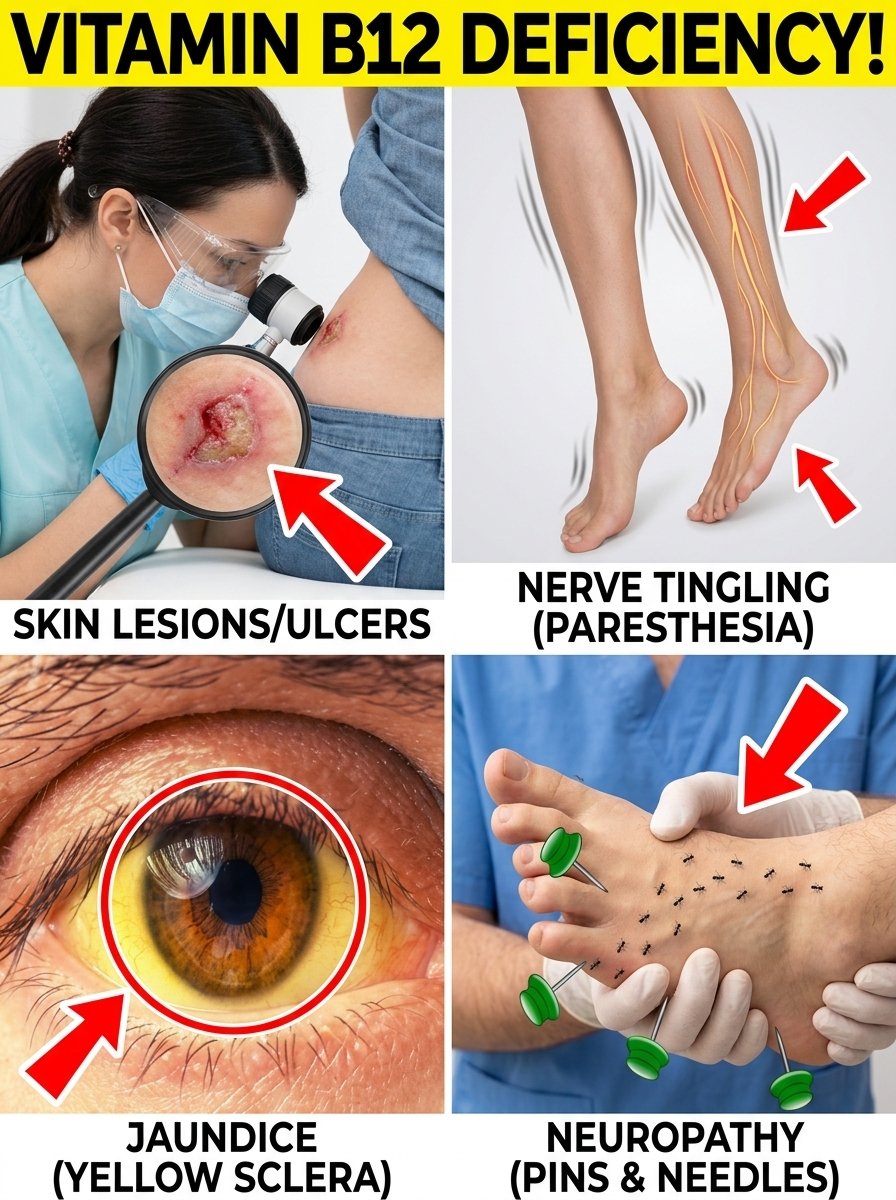
Ignoring these symptoms for too long can lead to serious complications, including nerve damage, memory problems, anemia, and chronic fatigue. Here are eight strange signs your body may be begging for more Vitamin B12.
1. Tingling or Numbness in Hands and Feet
One of the earliest and most alarming signs of Vitamin B12 deficiency is a tingling sensation in the hands, feet, or legs. Some people describe it as “pins and needles” or mild electric shocks under the skin.
Vitamin B12 helps maintain healthy nerves. Without enough of it, the protective covering around nerves can weaken, causing numbness, burning sensations, or loss of balance. If left untreated, nerve damage may become permanent.
2. Extreme Fatigue That Doesn’t Improve With Rest
Do you wake up exhausted even after a full night’s sleep? Low Vitamin B12 can interfere with red blood cell production, reducing the amount of oxygen delivered throughout the body.
As oxygen levels drop, muscles and organs struggle to function efficiently. This can leave you constantly tired, weak, dizzy, or short of breath during simple daily activities.
3. Memory Problems and Brain Fog
Difficulty concentrating, forgetfulness, confusion, or feeling mentally “slow” may not always be caused by stress or aging. Vitamin B12 plays a vital role in brain health and cognitive performance.
A deficiency can affect communication between brain cells, leading to memory lapses, poor focus, and mood changes. In severe cases, long-term deficiency has been linked to cognitive decline and neurological disorders.
4. Pale or Slightly Yellow Skin
If your skin suddenly looks pale, dull, or slightly yellowish, your body may be struggling to produce healthy red blood cells.
Vitamin B12 deficiency can trigger a condition called megaloblastic anemia, where red blood cells become large and fragile. As these cells break down, bilirubin levels rise, causing the skin and eyes to appear yellowish.
5. Frequent Mood Swings or Depression
Low Vitamin B12 may affect emotional well-being more than many people realize. This nutrient helps regulate chemicals in the brain responsible for mood and mental balance.
People with low B12 levels may experience irritability, anxiety, sadness, mood swings, or even symptoms of depression. Restoring healthy B12 levels can sometimes improve mental clarity and emotional stability.
6. Mouth Ulcers and a Swollen Tongue
A smooth, swollen, red, or painful tongue can be a surprising warning sign of deficiency. Some people also develop mouth ulcers, burning sensations, or difficulty eating spicy foods.
Because Vitamin B12 supports healthy cell production, low levels may affect the delicate tissues inside the mouth and digestive system.
7. Fast Heartbeat and Shortness of Breath
When the body lacks healthy red blood cells, the heart must work harder to carry oxygen throughout the body. This may cause rapid heartbeat, chest discomfort, dizziness, or breathlessness after minor physical activity.
These symptoms should never be ignored, especially if they appear alongside fatigue and weakness.
8. Vision Problems
In some cases, Vitamin B12 deficiency can affect the optic nerve, leading to blurry vision, double vision, or increased sensitivity to light.
Although this symptom is less common, it can become serious if nerve damage continues untreated. Early detection is critical to protecting long-term eye health.
Who Is Most at Risk?
Certain groups are more likely to develop Vitamin B12 deficiency, including:
- Adults over 50
- Vegetarians and vegans
- People with digestive disorders
- Individuals taking acid-reducing medications
- People with diabetes using long-term metformin treatment
Because Vitamin B12 is mainly found in animal-based foods, those avoiding meat, eggs, dairy, or fish may struggle to get enough naturally.
Best Foods Rich in Vitamin B12
To support healthy B12 levels, include more of these foods in your diet:
- Beef liver
- Salmon and tuna
- Eggs
- Milk and cheese
- Yogurt
- Chicken
- Fortified cereals
Some people may also benefit from Vitamin B12 supplements, especially older adults or those with absorption problems. However, it’s always best to consult a healthcare professional before starting supplementation.
Final Thoughts
Vitamin B12 deficiency often develops slowly, making it easy to overlook the warning signs until symptoms become severe. Tingling limbs, chronic fatigue, brain fog, mood changes, and strange tongue symptoms may all be your body’s way of asking for help.
Listening to these early red flags and improving your nutrition could protect your nerves, brain, heart, and energy levels before long-term damage occurs. Sometimes, a simple vitamin imbalance is the hidden reason behind symptoms you’ve been struggling with for years.