 By admin
 🔥 Your feet may be trying to warn you! Learn the 8 silent signs of neuropathy that could threaten your mobility and independence.
Many people assume that tingling, foot pain, or numbness are simply a normal part of aging. However, these symptoms may actually be early warning signs of nerve damage, a condition that affects millions of people and becomes increasingly common after the age of 50.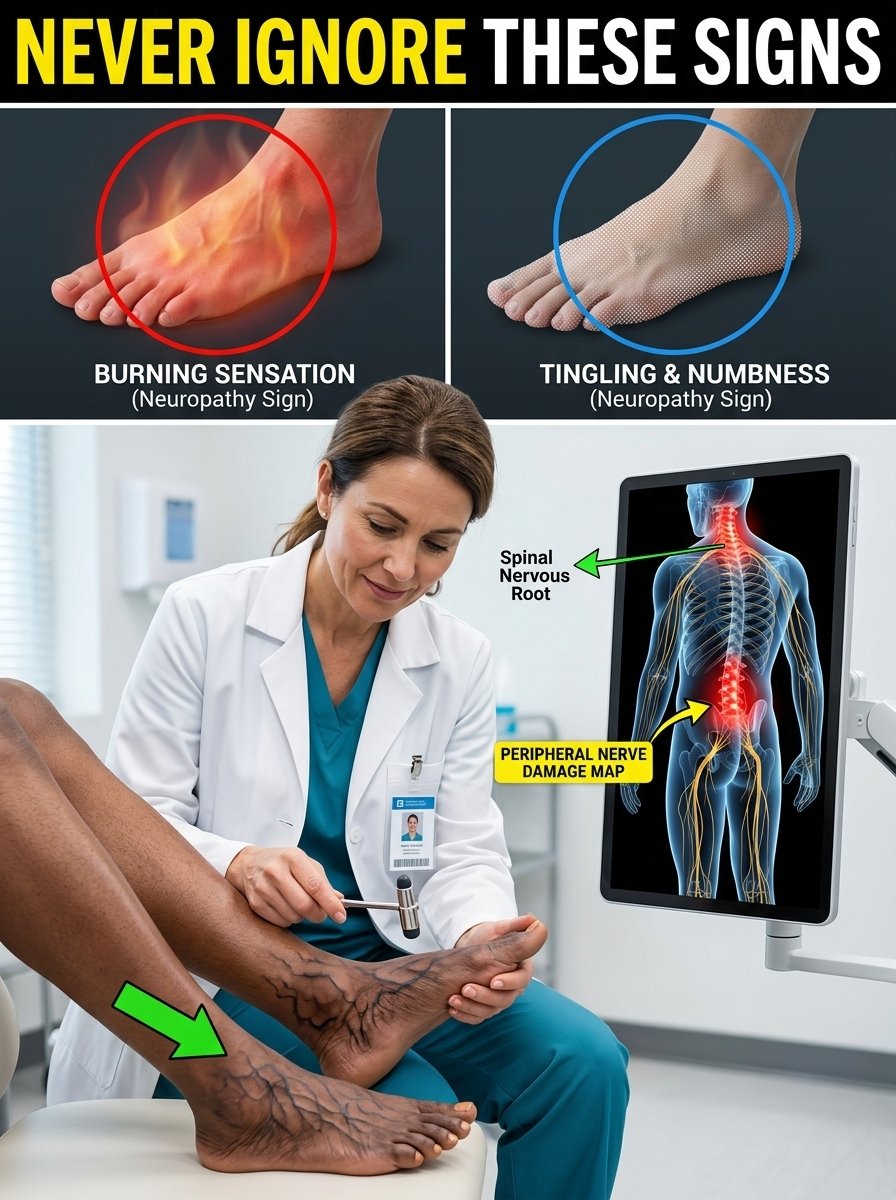
Nerves act as a communication network between the brain and the rest of the body. When this network begins to malfunction, the feet are often among the first areas to show warning signs. Recognizing these symptoms early may help identify important health issues and prevent more serious complications.
1. Persistent Tingling in the Feet
A sensation of pins and needles, mild electric shocks, or constant tingling should never be ignored. When these symptoms continue for weeks or months, they may indicate peripheral neuropathy, often associated with diabetes, nutritional deficiencies, or circulation problems.
2. Unexplained Burning Sensation
Some people experience a burning feeling in their feet, especially at night. This discomfort can interfere with sleep and may signal that sensory nerves are being affected. The earlier the cause is identified, the better the chances of slowing or managing the condition.
3. Numbness and Loss of Sensation
When your feet begin losing the ability to feel temperature, pressure, or pain, the risk of injury increases significantly. Small cuts, blisters, or wounds may go unnoticed and eventually develop into serious infections.
4. Muscle Weakness
Damage to motor nerves can reduce the strength of the muscles in the legs and feet. You may notice difficulty climbing stairs, walking long distances, or maintaining balance during everyday activities.
5. Loss of Balance and Frequent Falls
If you find yourself stumbling more often than before or struggling to stay steady while walking, it may indicate that the nerves responsible for body position awareness are not functioning properly.
Many falls among older adults are linked to neurological changes that begin silently and gradually.
6. Extreme Sensitivity to Touch
Paradoxically, some individuals develop excessive sensitivity. The simple contact of bed sheets, socks, or shoes may trigger intense pain. This symptom suggests that damaged nerves are sending incorrect signals to the brain.
7. Changes in Foot Sweating
Nerves also control automatic body functions. Excessive sweating or, conversely, unusually dry feet may indicate damage to the autonomic nervous system.
These changes are often overlooked but can be an important clue that something is not functioning as it should.
8. Wounds That Heal Slowly
Small injuries that take weeks to heal deserve immediate attention. The combination of poor circulation, loss of sensation, and nerve damage significantly increases the risk of complications, especially in people with diabetes.
What Can Cause Nerve Damage?
Several conditions may contribute to neuropathy, including:
- Diabetes and insulin resistance;
- Vitamin B12 deficiency;
- Kidney disease;
- Poor blood circulation;
- Excessive alcohol consumption;
- Autoimmune disorders;
- Certain medications;
- Chronic inflammation.
How to Protect Your Nerves After 50
Healthy nerves depend on consistent care. Some important habits include:
- Keeping blood sugar levels under control;
- Eating a diet rich in B vitamins;
- Exercising regularly;
- Avoiding smoking;
- Limiting alcohol consumption;
- Having regular medical checkups;
- Inspecting your feet daily for cuts, cracks, or unusual changes.
Final Thoughts
Your feet can reveal a great deal about your overall health. Tingling, numbness, burning sensations, weakness, or changes in sensitivity should not be dismissed as merely signs of aging. In many cases, they are early warnings of nerve damage that require medical attention.
The sooner these signs are recognized, the greater the opportunity to protect mobility, maintain quality of life, and avoid future complications.