 By admin
 Joint pain doesn’t have to be an inevitable part of aging—the right foods can make a remarkable difference.
Maintaining healthy knees and joints is essential for preserving mobility, independence, and overall quality of life, especially as we age. Joint cartilage acts as a natural cushion that reduces friction between bones. When this cartilage begins to wear down, it can lead to pain, inflammation, stiffness, and reduced mobility.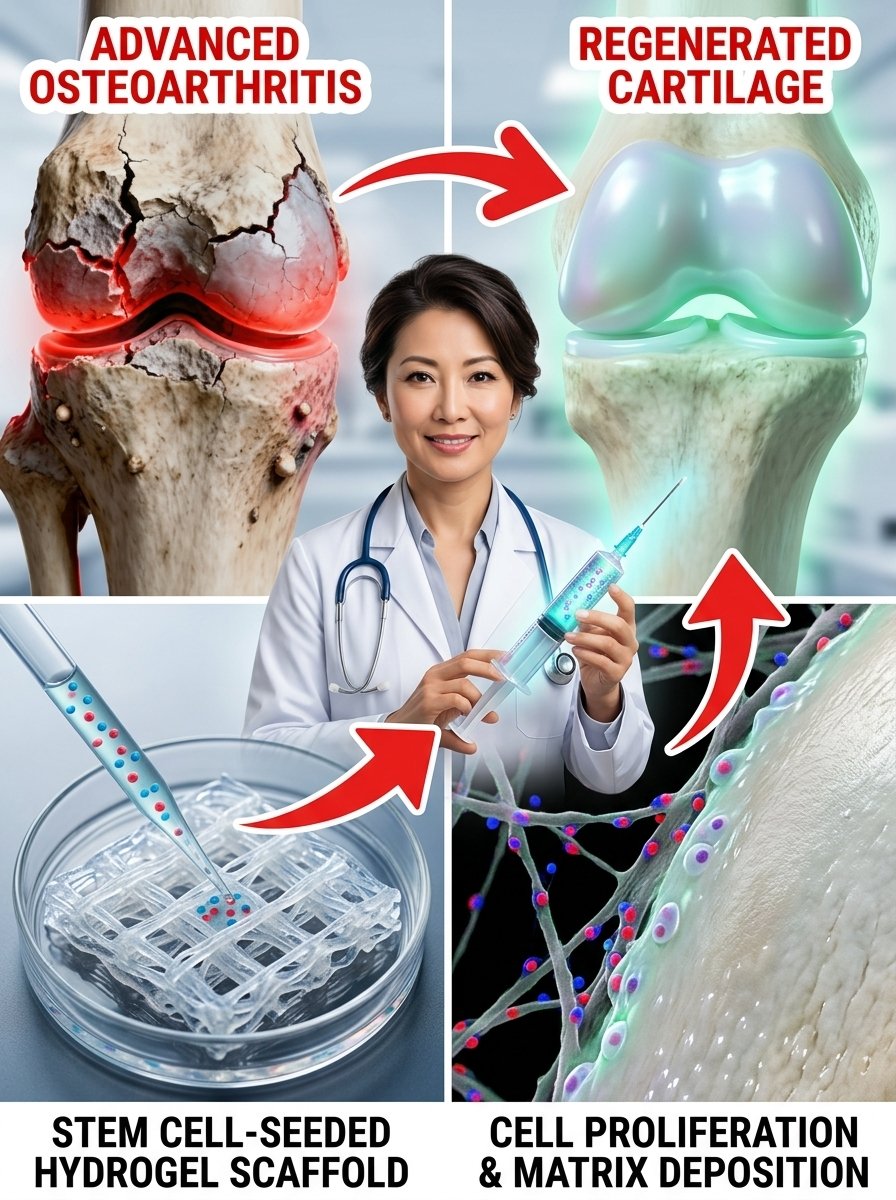
Fortunately, nature provides a variety of nutrient-rich foods that may help nourish the joints, reduce inflammation, and support the gradual maintenance and repair of cartilage.
1. Omega-3 Rich Fish
Salmon, sardines, and mackerel are excellent sources of omega-3 fatty acids, well known for their powerful anti-inflammatory properties. Regular consumption may help reduce joint discomfort and support the natural lubrication of the knees.
2. Leafy Green Vegetables
Spinach, kale, and broccoli are packed with antioxidants, calcium, and vitamin K. These nutrients help strengthen bones, protect cartilage from premature wear, and combat inflammatory processes within the body.
3. Vitamin C-Rich Fruits
Oranges, lemons, kiwis, and strawberries play an important role in collagen production, a protein essential for maintaining cartilage structure. Vitamin C also helps protect tissues from damage caused by free radicals.
4. Nuts and Seeds
Almonds, walnuts, chia seeds, and flaxseeds provide important minerals such as magnesium and zinc, along with healthy fats that support joint health and help reduce chronic inflammation.
5. Turmeric and Ginger
These two roots are widely recognized for their natural anti-inflammatory benefits. Curcumin in turmeric and active compounds in ginger may help ease joint discomfort and improve flexibility and movement.
6. Foods Rich in Natural Collagen
Bone broth, natural gelatin, and protein-rich foods supply amino acids that are important for maintaining cartilage and supporting healthy joints.
7. The Importance of Hydration
Water is essential for proper joint lubrication. Dehydration may increase friction between bones and contribute to faster cartilage wear over time.
Conclusion
Following a balanced diet rich in anti-inflammatory foods and essential nutrients can significantly contribute to knee and joint health. While proper nutrition is not a substitute for medical treatment, it can help reduce discomfort, improve mobility, and support the long-term protection of cartilage and joints.