 By admin
 Hot flashes, insomnia, and mood swings? Your body may be sending important signals about your hormonal health.
Menopause is a natural stage in a woman’s life, typically occurring between the ages of 45 and 55. However, some women experience this transition much earlier than expected. When menopause occurs before the age of 45, it is known as early menopause. This condition can affect not only fertility but also physical, emotional, and hormonal health.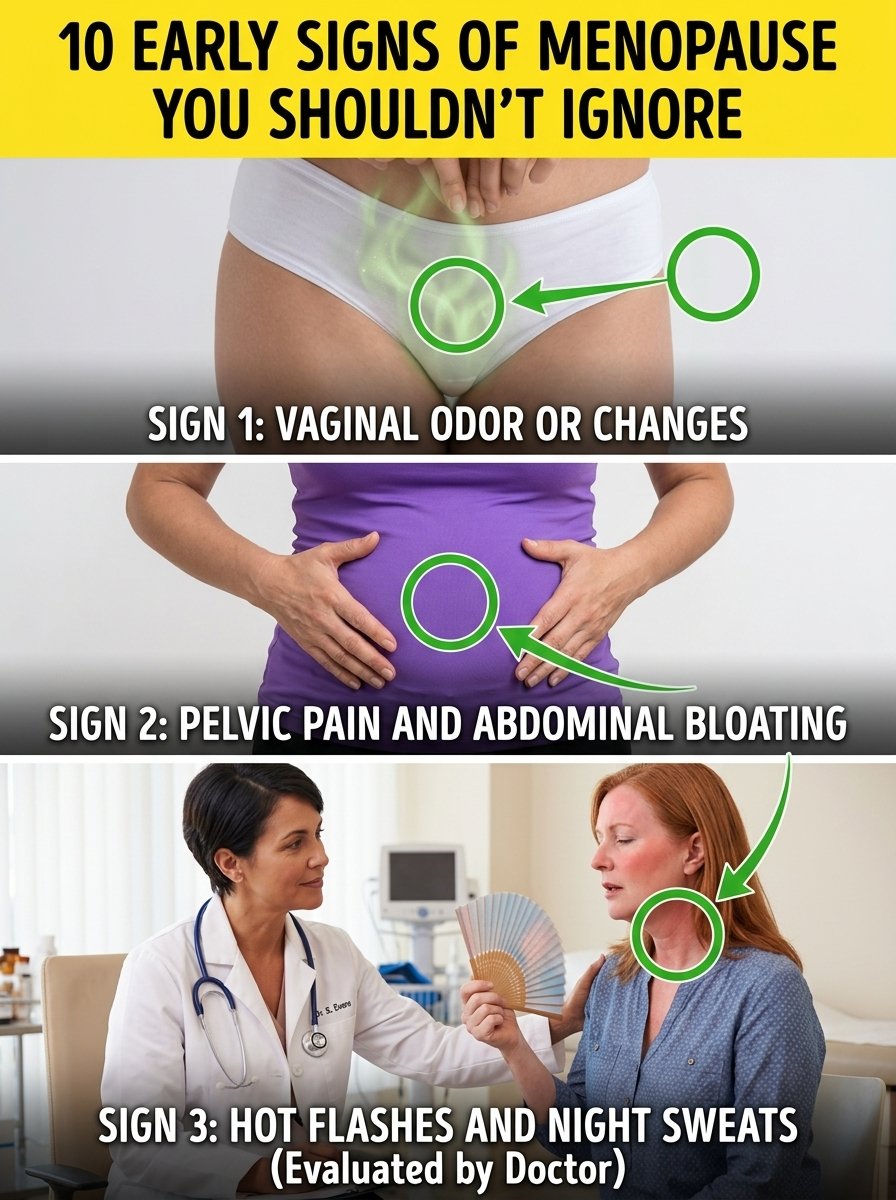
Recognizing the early signs can help women seek medical guidance sooner and reduce the risk of long-term complications.
1. Irregular Menstrual Cycles
One of the earliest signs is a change in menstrual patterns. Periods may become shorter, longer, heavier, lighter, or even disappear for months before returning. These changes may indicate that the ovaries are gradually reducing hormone production.
2. Sudden Hot Flashes
Unexpected feelings of intense heat, especially in the face, neck, and chest, are common symptoms. Many women also experience excessive sweating and skin flushing during these episodes.
3. Night Sweats
Waking up with soaked clothes or bed sheets due to excessive sweating is another common symptom. Besides being uncomfortable, night sweats can significantly disrupt sleep quality.
4. Sleep Disturbances
Difficulty falling asleep, frequent awakenings during the night, or feeling tired despite getting enough rest may be linked to the hormonal changes associated with early menopause.
5. Mood Changes
Emotional fluctuations, irritability, anxiety, nervousness, and even symptoms of depression may develop. Reduced estrogen levels can directly affect areas of the brain responsible for mood regulation and emotional well-being.
6. Vaginal Dryness
Hormonal decline may reduce the body’s natural lubrication, leading to discomfort, irritation, or pain during intimacy. This symptom can affect both confidence and quality of life.
7. Reduced Libido
Many women notice a decrease in sexual desire during this stage. Hormonal shifts, physical discomfort, and emotional changes can all contribute to a lower libido.
8. Memory and Concentration Problems
Frequent forgetfulness, difficulty focusing, and feelings of mental fog are common complaints. While not always serious, these issues can impact daily activities and work performance.
9. Weight Changes
Many women find it easier to gain weight, particularly around the abdomen. Some also experience a loss of muscle mass and reduced physical energy.
10. More Fragile Skin, Hair, and Nails
Lower estrogen levels can contribute to dry skin, increased hair shedding, and brittle nails. These signs often develop gradually over time.
Possible Causes of Early Menopause
Several factors may contribute to early menopause, including genetics, autoimmune diseases, cancer treatments, gynecological surgeries, smoking, and hormonal disorders. In some cases, the exact cause remains unknown.
Why Seeking Medical Advice Matters
Early menopause affects more than just the reproductive system. The premature decline of female hormones may increase the risk of osteoporosis, cardiovascular disease, metabolic disorders, and emotional health challenges. Proper medical care can help manage symptoms and support long-term health.
Paying attention to your body’s signals is essential. The earlier early menopause is identified, the greater the opportunity to maintain quality of life, hormonal balance, and overall well-being throughout this new phase of life.