 By admin
 ⚠️ Doctors Warn: These 7 Morning Habits After 60 Could Triple Your Stroke Risk Before Breakfast — One Simple Change May Protect Your Brain!
Many people believe strokes happen without warning. But neurologists and cardiovascular experts say the body is especially vulnerable during the first few hours after waking up — particularly after age 60. Blood pressure naturally rises in the morning, blood can become slightly thicker after hours of sleep, and dehydration may quietly strain the heart and brain.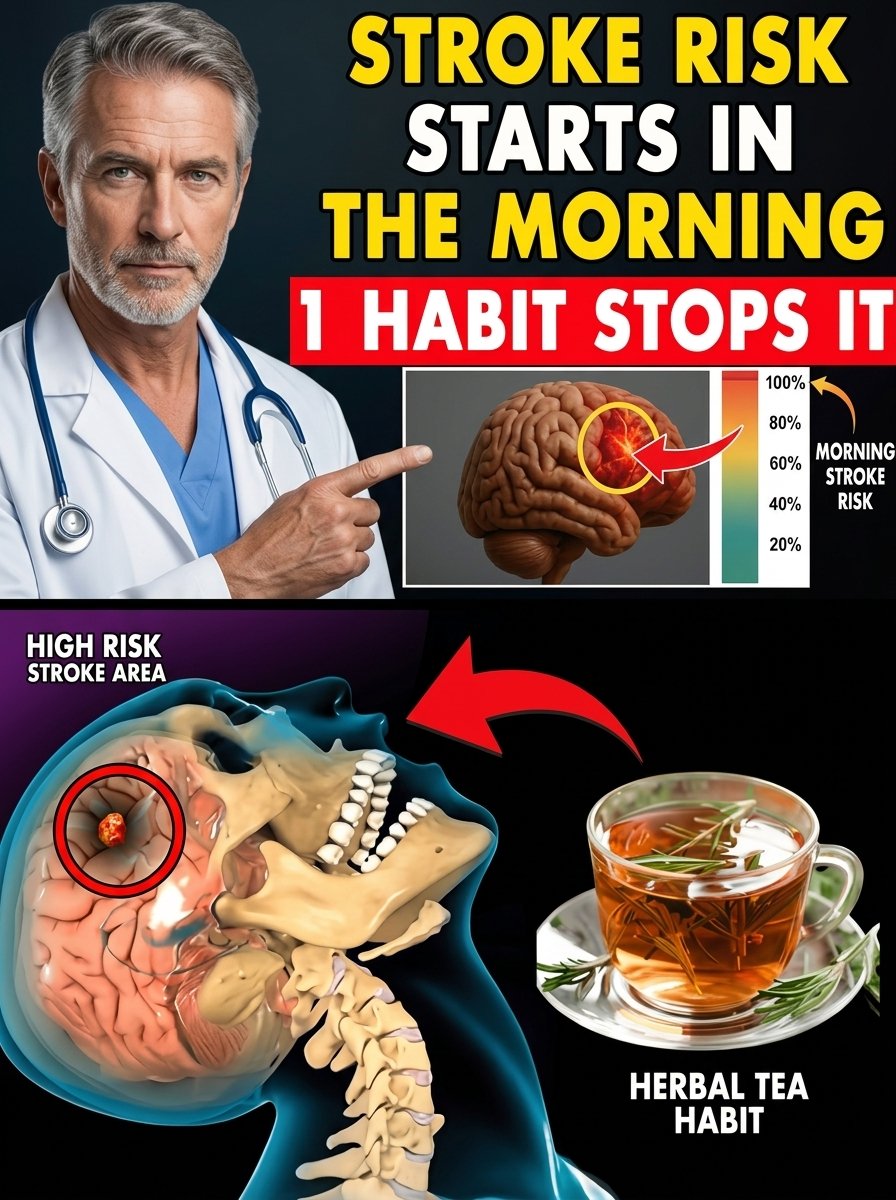
That means certain everyday morning habits could place extra stress on aging blood vessels long before breakfast is finished. The good news is that small changes to your routine may help reduce unnecessary risk and support healthier circulation.
Here are seven common morning mistakes doctors say older adults should pay attention to.
1. Drinking Coffee Immediately After Waking Up
For millions of people, coffee is the very first thing they consume each morning. However, experts warn that drinking caffeine on an empty stomach immediately after waking may sharply increase blood pressure and heart rate — especially in older adults already dealing with hypertension or circulation issues.
After several hours of sleep, the body is mildly dehydrated. Blood vessels may already be under stress from the body’s natural cortisol surge that occurs in the morning. Adding strong caffeine before hydrating can intensify that strain.
A safer approach is to drink a large glass of water first, wait 20–30 minutes, and eat a light breakfast before consuming coffee.
2. Getting Out of Bed Too Fast
Standing up suddenly can trigger a rapid drop in blood pressure known as orthostatic hypotension. In older adults, this may lead to dizziness, blurred vision, loss of balance, or temporary reductions in blood flow to the brain.
Doctors recommend taking a slow transition from lying down to standing:
- Wake up gradually
- Sit on the edge of the bed for a moment
- Move your legs gently
- Stand only after your balance feels stable
These simple steps may reduce unnecessary strain on blood vessels and lower fall risk as well.
3. Skipping Water in the Morning
Many people wake up and immediately start their day without drinking water. But overnight dehydration can leave the blood slightly more concentrated, forcing the cardiovascular system to work harder.
Hydration plays an important role in circulation, oxygen delivery, and blood pressure regulation. A glass or two of water shortly after waking may help improve blood flow and support brain function.
Some experts suggest room-temperature water is easier on the digestive system first thing in the morning.
4. Eating a Sugary Breakfast
Sweet pastries, sugary cereals, flavored coffee drinks, and processed breakfast foods can create a sharp spike in blood sugar levels. Over time, repeated blood sugar surges may contribute to inflammation, artery damage, and higher stroke risk.
A better breakfast focuses on:
- Protein
- Fiber
- Healthy fats
- Slow-digesting carbohydrates
Examples include eggs, oatmeal, Greek yogurt, nuts, berries, avocado, or whole grains.
Stable blood sugar levels help reduce stress on the vascular system throughout the day.
5. Remaining Completely Sedentary After Waking
Many older adults spend the first hour of the morning sitting motionless while watching television, scrolling through phones, or reading. Long periods of inactivity may reduce circulation and contribute to vascular stiffness over time.
Doctors encourage gentle movement soon after waking, such as:
- Light stretching
- Short walks
- Slow joint rotations
- Breathing exercises
Even a few minutes of movement can help stimulate blood flow and improve oxygen delivery to the brain.
6. Ignoring Morning Blood Pressure Spikes
Blood pressure naturally climbs in the early morning hours. For some individuals, especially seniors with hypertension, this increase may become dangerous if medications are skipped or lifestyle habits are poor.
Experts advise:
- Taking prescribed medications consistently
- Monitoring blood pressure regularly
- Limiting excessive sodium intake
- Avoiding intense stress immediately after waking
Consistent management is one of the strongest protective factors against stroke.
7. Ignoring Early Warning Signs
Some stroke symptoms appear briefly and disappear, leading people to dismiss them. But temporary symptoms may signal a transient ischemic attack (TIA), often called a “mini-stroke,” which can precede a major stroke.
Warning signs can include:
- Sudden dizziness
- Facial drooping
- Weakness on one side
- Trouble speaking
- Severe unusual headache
- Vision changes
- Loss of balance
Even if symptoms vanish quickly, immediate medical attention is critical.
A Safer Morning Routine for Brain Health
Doctors say stroke prevention often comes down to consistent daily habits rather than dramatic changes. A healthier morning routine may include:
- Wake up slowly
- Drink water first
- Stretch or walk briefly
- Eat a balanced breakfast
- Delay caffeine slightly
- Monitor blood pressure
- Avoid unnecessary stress early in the day
These simple actions may help support circulation, protect blood vessels, and reduce pressure on the brain during the body’s most vulnerable hours.
While no routine can completely eliminate stroke risk, paying attention to these morning behaviors may help older adults stay healthier, sharper, and more independent for years to come.