 By admin
 Many Women Ignore Menopause Symptoms Until Their Quality of Life Starts to Suffer. Are You One of Them?
Menopause is a natural stage of life that every woman will experience as she ages. However, many women do not realize that the body often sends warning signals long before menstruation completely stops. This transition period is known as perimenopause and can last for several years.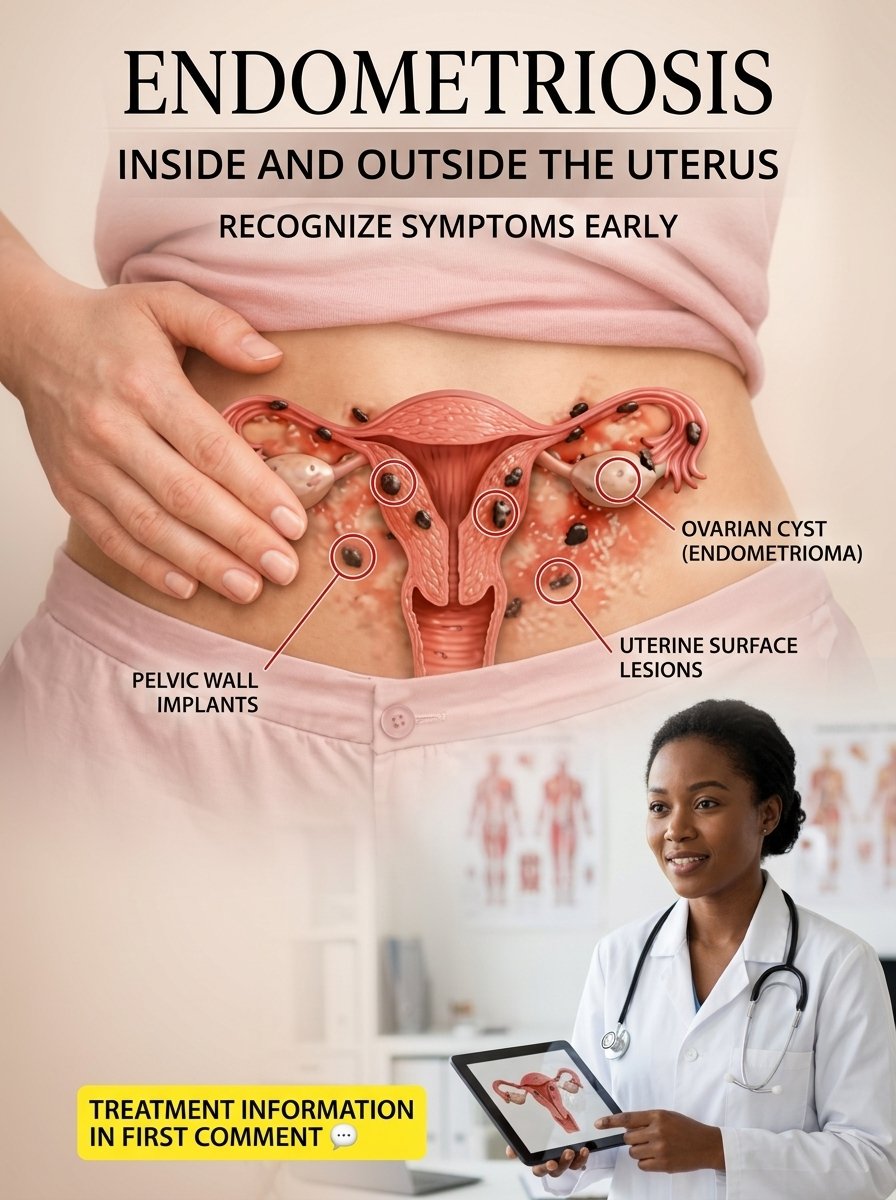
Understanding the changes that occur during this phase is essential for maintaining physical health, emotional well-being, and overall quality of life.
1. Menstrual Cycles Become Irregular
One of the earliest signs is a change in menstrual patterns. Periods may come earlier, later, lighter, or heavier than usual. These changes occur because estrogen production gradually declines.
2. Sudden Feelings of Heat
Sudden episodes of intense warmth, known as hot flashes, are among the most common symptoms. The face, neck, and chest may suddenly feel hot, often accompanied by excessive sweating and a rapid heartbeat.
For some women, these episodes can interfere with daily activities and disrupt sleep.
3. Difficulty Sleeping at Night
Hormonal fluctuations often lead to insomnia or other sleep disturbances. Many women find themselves waking up frequently during the night, struggling to fall back asleep, or feeling exhausted upon waking in the morning.
Quality sleep is essential for maintaining heart health, metabolism, and emotional balance.
4. Mood Changes
Feeling irritable, anxious, sad, or emotionally sensitive without a clear reason can be part of the hormonal changes associated with menopause.
If these symptoms persist and begin to affect daily life, seeking professional medical advice is recommended.
5. Weight Gain Becomes Easier
A decline in estrogen levels can affect metabolism, making it easier for the body to store fat, especially around the abdominal area, even if eating habits remain unchanged.
Regular exercise and a healthy diet can help manage these changes.
6. Reduced Sexual Desire
Some women experience a decrease in sexual interest during this stage. This may be influenced by hormonal changes, fatigue, sleep problems, or emotional factors.
Open communication with a partner and guidance from a healthcare professional can be beneficial.
7. Vaginal Dryness
Lower estrogen levels can cause vaginal tissues to become thinner and drier. This often results in discomfort or pain during intimacy.
Appropriate treatment and care can help improve comfort and overall well-being.
8. Thinning Hair and Dry Skin
Hormonal changes can also affect the condition of the skin and hair. Hair may become thinner, while the skin may feel drier and lose some of its elasticity.
Proper skincare and a nutrient-rich diet can help support healthy skin and hair.
9. Joint and Muscle Pain
Many women begin to notice more frequent joint stiffness, body aches, or muscle discomfort. These symptoms are often dismissed as a normal part of aging, but they may also be linked to hormonal changes.
Staying physically active can help reduce these complaints.
10. Reduced Concentration and Memory
Misplacing items, difficulty focusing, or feeling mentally slower than usual are also commonly reported during perimenopause.
Although these symptoms are generally not dangerous, they can affect productivity and self-confidence.
Don’t Ignore Your Body’s Signals
Menopause is not a disease—it is a natural stage of life. However, recognizing its signs early can help you take proactive steps to support bone health, heart health, hormonal balance, sleep quality, and mental well-being.
With a healthy lifestyle, regular exercise, proper nutrition, and routine health checkups, menopause can be navigated more comfortably, confidently, and healthily.