 By admin
 Pain, fatigue, and bloating? These may not be minor inconveniences—they could be your uterus calling for help.
The uterus plays a vital role in a woman’s overall health. However, many women overlook certain symptoms that may signal hormonal imbalances, infections, fibroids, endometriosis, or other serious gynecological conditions. Recognizing these warning signs early can lead to more effective treatment and help prevent major complications.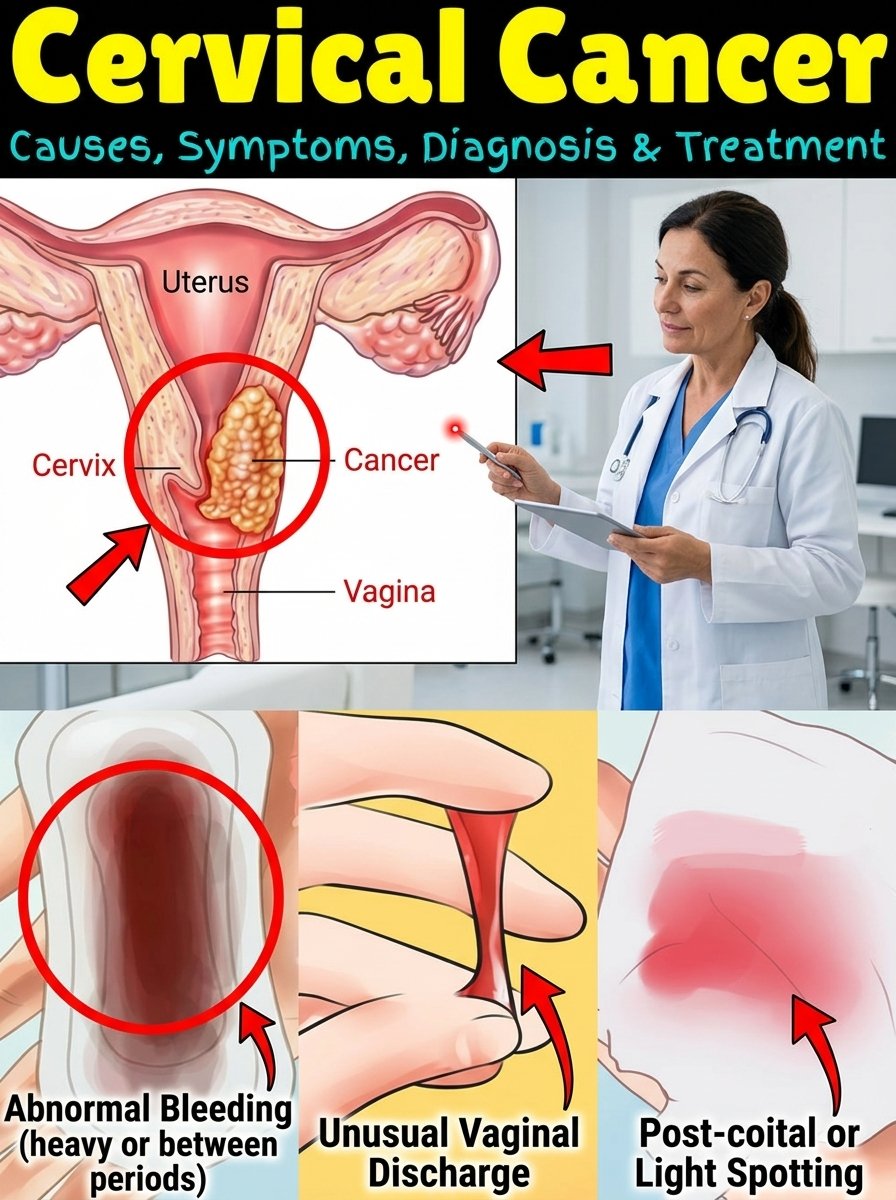
Here are 12 signals your body may be using to tell you that it’s time to pay closer attention to your uterine health.
1. Unusual Bleeding
Heavy menstrual bleeding, spotting between periods, or bleeding after menopause should never be considered normal. These symptoms may indicate fibroids, polyps, or other abnormalities affecting the uterus.
2. Persistent Pelvic Pain
Recurring pain in the lower abdomen or pelvic area may be associated with endometriosis, inflammation, or other gynecological disorders that require medical attention.
3. Extremely Painful Periods
Severe menstrual cramps that interfere with daily activities are often more than just a normal part of menstruation. They may be a sign of an underlying health issue.
4. A Feeling of Pelvic Pressure
A constant sensation of heaviness or pressure in the pelvic region can be linked to uterine fibroids or uterine prolapse.
5. Frequent Bloating
If your abdomen regularly feels swollen without an obvious dietary cause, it could be related to certain gynecological conditions that deserve further evaluation.
6. Pain During Intercourse
Pain during or after sexual activity should never be ignored. It may be a sign of inflammation, infection, or conditions such as endometriosis.
7. Abnormal Vaginal Discharge
Changes in the color, odor, or amount of vaginal discharge can indicate infections or imbalances that may require treatment.
8. Chronic Fatigue
Persistent fatigue may sometimes be linked to excessive bleeding that leads to iron deficiency or to chronic inflammation within the body.
9. Unexplained Lower Back Pain
Some uterine conditions can cause pain that radiates into the lower back, especially when left untreated for an extended period.
10. Difficulty Getting Pregnant
Fertility challenges can be associated with uterine abnormalities, fibroids, adhesions, or other reproductive health issues.
11. Frequent Urination
When the uterus or fibroids enlarge, they can put pressure on the bladder, leading to a frequent need to urinate.
12. Constipation or Recurring Digestive Problems
Because the uterus is located close to the digestive organs, certain gynecological conditions may contribute to ongoing digestive discomfort or constipation.
Why Early Detection Matters
Many uterine conditions can be treated successfully when identified early. Early diagnosis often helps reduce pain, improve quality of life, and preserve fertility. Regular gynecological examinations remain one of the most effective ways to protect reproductive health.
Maintaining a balanced diet, staying physically active, managing a healthy weight, and seeking medical advice when unusual symptoms appear are simple yet powerful steps that support uterine health.
It is important to remember that these symptoms do not automatically mean you have a serious disease. However, if they persist or worsen over time, consulting a healthcare professional is strongly recommended to obtain an accurate diagnosis and appropriate treatment.