 By admin
 🔥 Think you’re just tired? These 9 hidden signs could reveal that your body is already going through menopause!
Menopause does not happen overnight. For most women, it develops gradually during a stage known as perimenopause, when female hormones—especially estrogen and progesterone—begin to fluctuate. This transition can last for several years and may cause physical, emotional, and mental changes that often come as a surprise.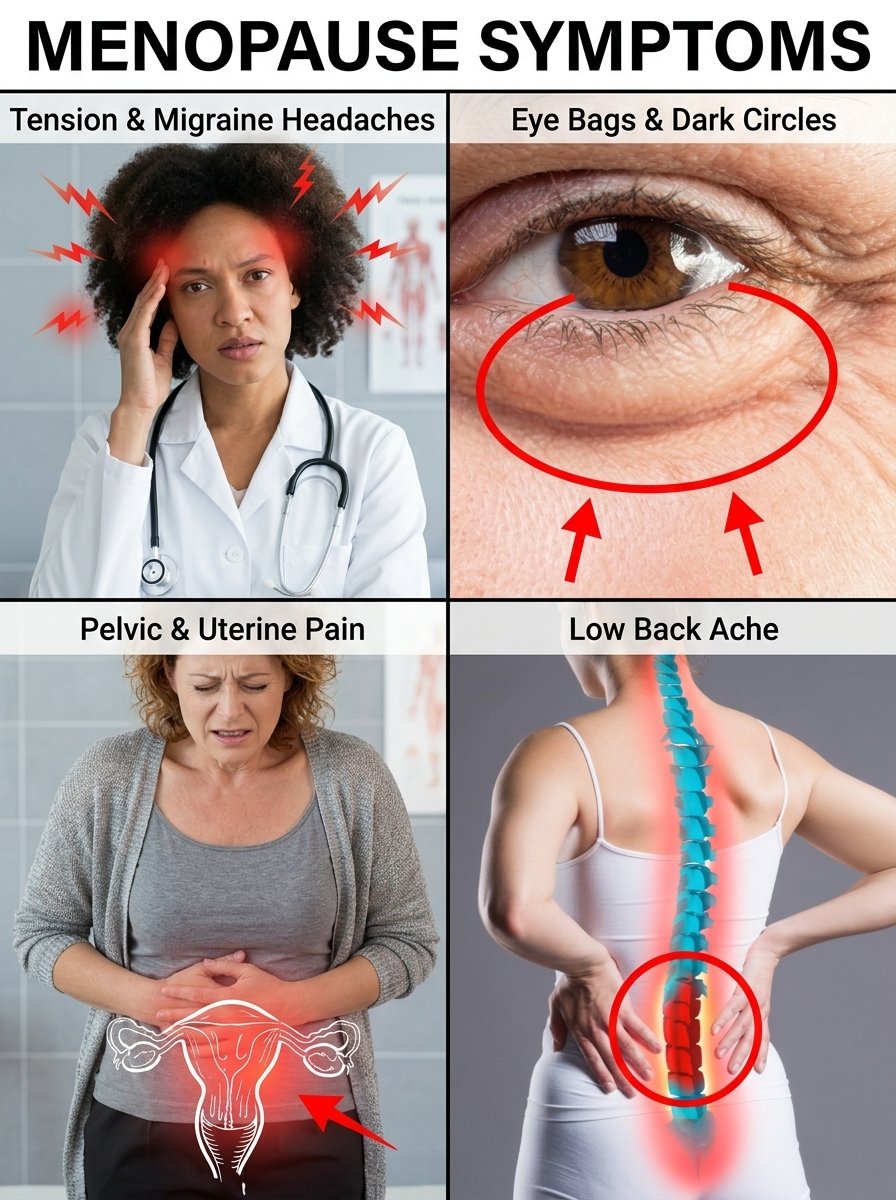
Many women mistake these symptoms for stress, aging, or simple fatigue, without realizing they may be linked to menopause. Here are nine common signs that could indicate your body is undergoing significant hormonal changes.
1. Irregular Menstrual Cycles
One of the earliest signs of menopause is a change in your menstrual cycle. Periods may become heavier or lighter, shorter or longer than usual. Some women may even skip several cycles before their periods stop completely.
2. Sudden Hot Flashes
Do you suddenly feel an intense wave of heat spreading across your face, neck, or entire body? Hot flashes are among the most common symptoms of menopause. They can occur during the day or night and may significantly affect your daily comfort.
3. Night Sweats
Waking up in the middle of the night drenched in sweat is a common experience during the menopausal transition. These episodes can disrupt sleep quality and leave you feeling exhausted throughout the day.
4. Unexplained Sleep Problems
Difficulty falling asleep, frequent awakenings, or feeling unrested even after a full night’s sleep can all be linked to hormonal changes. Long-term sleep disturbances may also affect memory, concentration, and emotional well-being.
5. Mood Swings
Irritability, anxiety, sadness, or sudden emotional changes may appear even in women who have never experienced these issues before. Hormonal fluctuations can directly influence areas of the brain responsible for emotional regulation.
6. Reduced Sexual Desire
Declining hormone levels may lead to a decrease in libido. Some women also notice reduced sensitivity or pleasure during intimacy, which can impact their relationships and overall quality of life.
7. Vaginal Dryness
Lower estrogen levels can make vaginal tissues thinner and less lubricated. This may cause itching, burning sensations, or discomfort during intercourse. Fortunately, a variety of medical and natural approaches can often help improve comfort and well-being.
8. Brain Fog
Frequent forgetfulness, difficulty finding the right words, reduced concentration, or a sense of mental confusion are commonly reported during perimenopause. This condition, often called “brain fog,” can be frustrating and affect daily activities.
9. Unexpected Weight Gain
Even without changing eating habits, some women notice an increase in waist size or gradual weight gain. Hormonal shifts can slow metabolism and encourage fat storage, especially around the abdomen.
How to Navigate This Transition More Comfortably
Menopause is not a disease—it is a natural stage of life. However, its symptoms can significantly affect daily well-being. A balanced diet, regular physical activity, quality sleep, and appropriate medical guidance can help reduce symptom severity while supporting bone health, heart health, and emotional wellness.
If several of these signs sound familiar, consider speaking with a healthcare professional. Identifying symptoms early can make it easier to find effective strategies that help restore comfort, energy, and overall quality of life.