 By admin
 Ovarian cancer rarely begins with severe pain. It whispers before it strikes. Learn the symptoms that could save your life.
Ovarian cancer is often called the “silent killer” because its early symptoms are usually subtle, vague, and easily mistaken for digestive issues, hormonal changes, or natural signs of aging. Unfortunately, many women only discover the disease when it has already reached an advanced stage.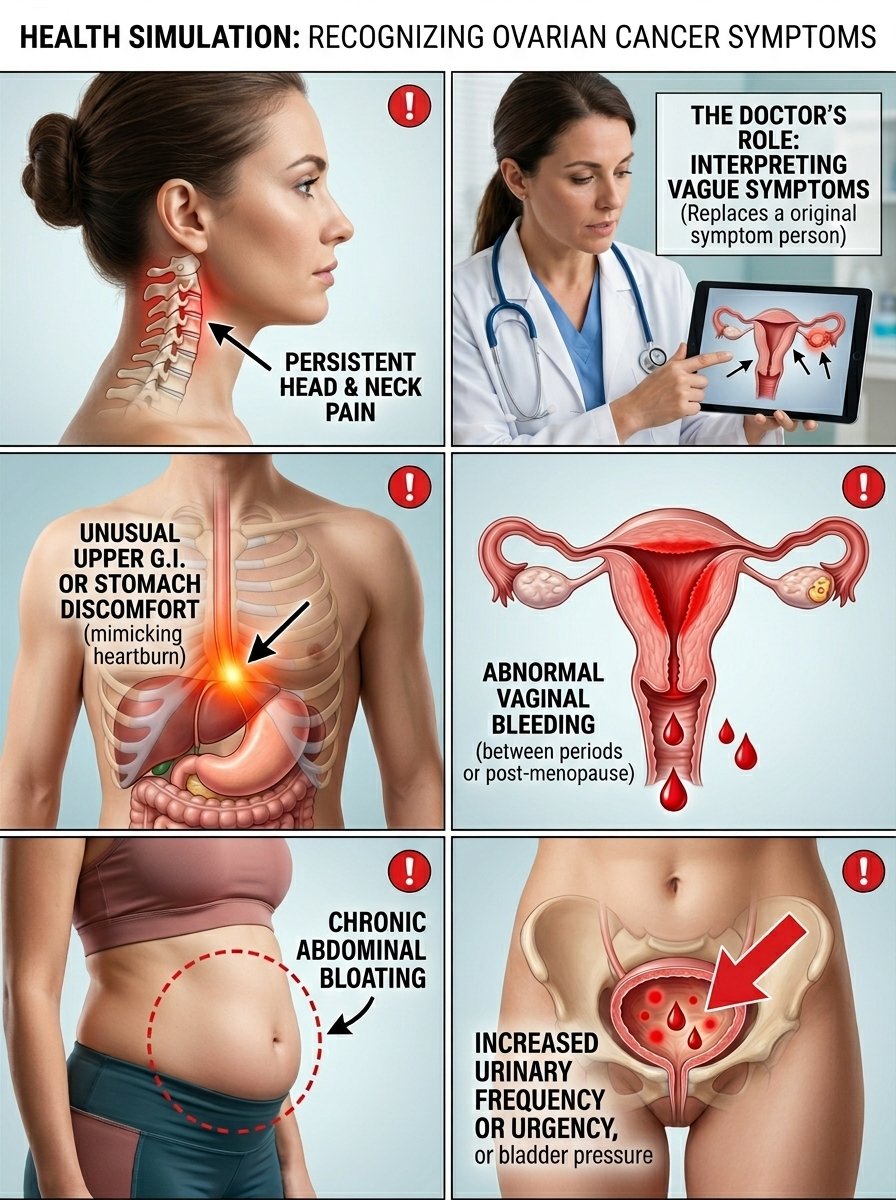
The good news is that the body often sends warning signals before the situation becomes serious. Recognizing these signs early can help you seek medical attention sooner and significantly improve the chances of successful treatment.
1. Persistent Abdominal Bloating
Occasional bloating is normal. However, when bloating occurs frequently, lasts for weeks, or seems to worsen over time, it may be an important warning sign. Many women describe the feeling as if they are pregnant or wearing clothing that feels unusually tight around the waist.
2. Constant Pelvic or Abdominal Pain
Discomfort or pain in the lower abdomen that does not go away deserves attention. The pain may be mild, moderate, or similar to menstrual cramps, but its persistence is what makes it concerning.
3. Feeling Full Too Quickly
If you begin feeling satisfied after eating only a small amount of food, it may indicate internal changes that require medical evaluation. Many women also notice a loss of appetite without any obvious reason.
4. Frequent Changes in Bowel Habits
Constipation, diarrhea, or unexpected changes in bowel function can occur when something is not right. If these symptoms persist without a clear explanation, medical advice should be sought.
5. Frequent Urination
Needing to urinate more often than usual or experiencing a constant sense of urgency can be one of the lesser-known signs of ovarian cancer. These symptoms are often mistaken for a urinary tract infection.
6. Lower Back Pain Without an Obvious Cause
Not all back pain is related to posture or physical strain. When lower back pain develops without a clear reason and continues for weeks, it is worth investigating.
7. Extreme Fatigue
Severe tiredness that does not improve with adequate rest may indicate that the body is dealing with an underlying health problem. Cancer-related fatigue is often intense and persistent.
8. Unexplained Weight Gain or Weight Loss
Sudden changes in body weight without alterations in diet or exercise habits can be a sign that something requires medical attention.
9. Menstrual Changes
Unusual bleeding, irregular cycles, or significant changes in menstrual patterns should not be ignored, especially in women over 40.
10. Pain During Intimate Relations
Although many women hesitate to discuss it, pain during sexual intercourse can be associated with several gynecological conditions, including ovarian abnormalities.
11. Frequent Indigestion and Nausea
Persistent digestive discomfort, constant heartburn, a heavy feeling in the stomach, or recurring nausea should not be ignored when they become a regular part of daily life.
12. A Feeling of Pressure in the Pelvic Area
Some women describe a constant sensation of heaviness or pressure in the pelvic region, as if something is pressing against the internal organs.
When Should You Seek Medical Help?
Having one or more of these symptoms does not necessarily mean you have ovarian cancer. Many of these signs can also be linked to benign conditions. However, if the symptoms are new, persist for several weeks, or become more severe over time, a medical evaluation is essential.
The greatest ally in the fight against ovarian cancer remains early detection. The earlier the disease is identified, the greater the chances of effective treatment and recovery.
Listen to your body. Small signs can carry important messages. Ignoring them may cost valuable time, while taking action early could make all the difference for your health and quality of life.