 By admin
 Extreme thirst when you wake up may indicate that your body is struggling with high blood sugar levels while you sleep.
Diabetes is a silent metabolic condition that often develops without obvious symptoms during the day. However, nighttime can reveal important warning signs that your body sends when blood sugar levels are out of control. Recognizing these symptoms early may help prevent serious complications such as nerve damage, cardiovascular disease, and kidney problems.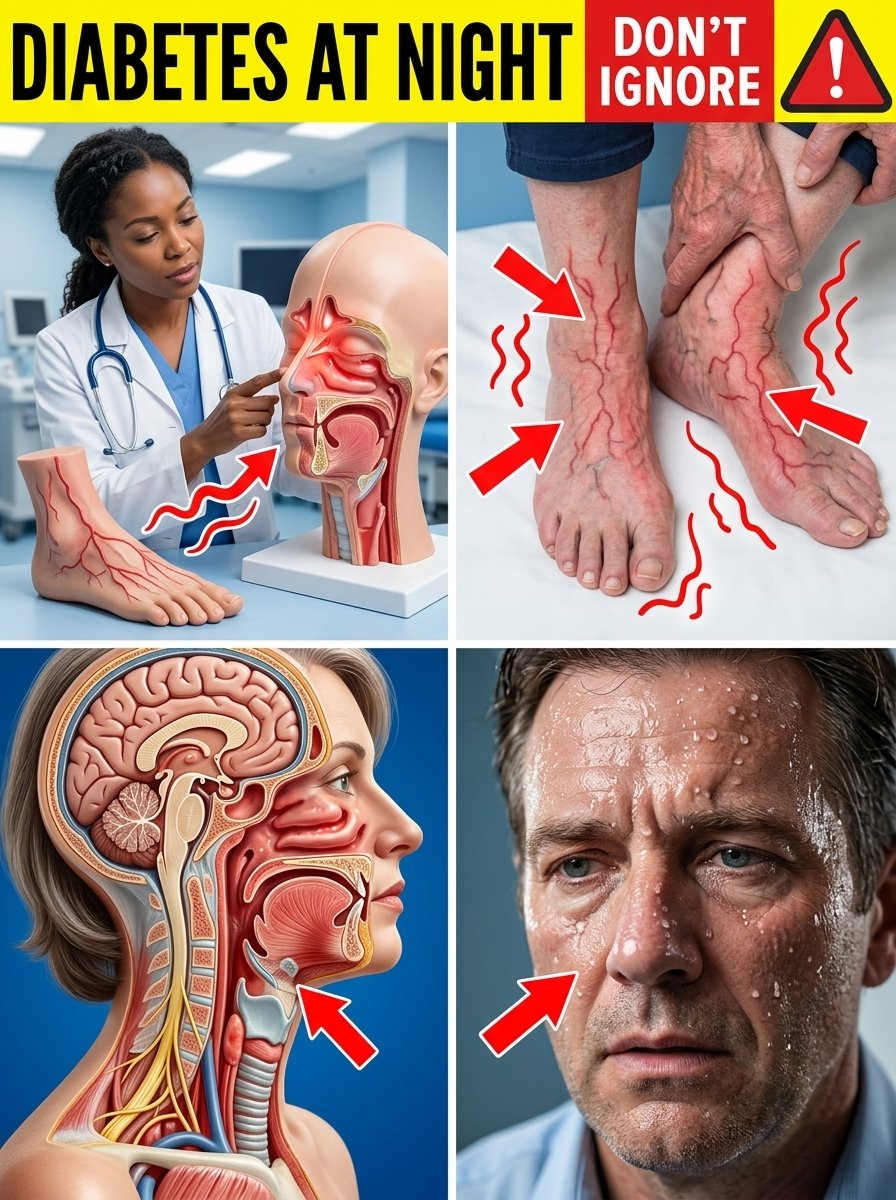
1. Frequent Nighttime Urination
One of the earliest nighttime signs of diabetes is the need to wake up frequently to urinate. This happens because excess glucose in the bloodstream forces the kidneys to work harder to remove sugar through urine, leading to frequent bathroom visits during the night.
2. Intense Thirst Upon Waking
Even after drinking water, many people with diabetes experience persistent thirst. This symptom occurs due to dehydration caused by excessive fluid loss through urination, especially during the night.
3. Excessive Night Sweats
Night sweats may be a sign of hypoglycemia (low blood sugar) during sleep. The body responds by releasing stress hormones to restore glucose balance, which can trigger heavy sweating.
4. Tingling in the Hands and Feet
Tingling, numbness, or a “pins and needles” sensation in the hands and feet may indicate diabetic neuropathy. This condition develops when prolonged high blood sugar damages the nerves over time.
5. Waking Up Exhausted
Even after a full night’s sleep, people with diabetes may wake up feeling extremely tired. This happens because the body is unable to use glucose efficiently to produce energy.
6. Nighttime Hunger or Sudden Awakenings
Sharp drops in blood sugar levels during the night can trigger intense hunger or sudden awakenings. The brain sends emergency signals to help restore glucose levels.
7. Dry Mouth and Difficulty Sleeping
Dehydration and blood sugar imbalances can cause a persistent dry mouth, making it harder to achieve deep, restful sleep.
Why Recognizing These Signs Matters
Identifying these nighttime symptoms is essential for seeking early medical evaluation. When left uncontrolled, diabetes can silently progress and lead to serious health complications. Lifestyle improvements, a balanced diet, regular exercise, and proper medical care can help maintain healthy blood sugar levels and significantly improve quality of life.