 By admin
 🚨 These 5 everyday foods may be quietly increasing your cancer risk every single day… and most people eat them without thinking twice.
👉 What you remove from your plate today could protect your body for years to come.
Many people believe cancer appears suddenly and without warning, but research continues to show that lifestyle and diet can play a major role in long-term health. While no single food directly “causes” cancer on its own, certain eating habits may increase inflammation, obesity, and cellular damage — all of which are linked to higher cancer risk.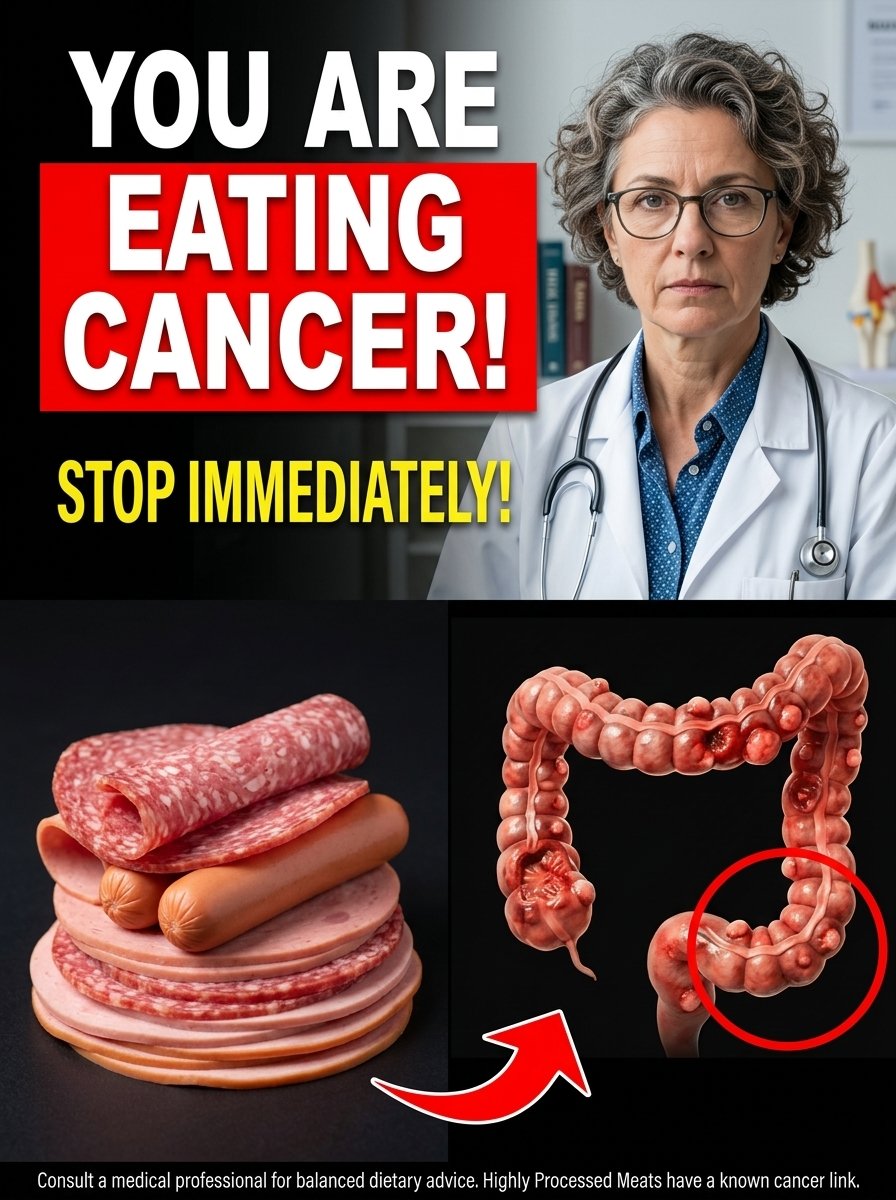
Some everyday foods are consumed so often that people rarely question their impact. Yet over time, these foods may create an environment in the body that allows harmful cells to thrive. The good news is that replacing unhealthy options with more nutritious choices can significantly improve overall wellness and may help lower cancer risk.
Here are five common foods and drinks experts recommend limiting — along with healthier alternatives your body will thank you for.
1. Processed Meats
Bacon, sausage, hot dogs, deli meats, and other processed meats are among the most concerning foods when it comes to cancer risk. These products often contain preservatives such as nitrates and nitrites, which can form potentially harmful compounds inside the body.
Studies have linked frequent consumption of processed meats with a higher risk of colorectal cancer. Cooking these meats at very high temperatures may also produce chemicals associated with cellular damage.
Instead of relying on processed meats daily, try replacing them with:
- Fresh chicken or turkey
- Fish rich in omega-3 fats
- Beans and lentils
- Tofu or plant-based proteins
Adding more plant protein and fiber to your meals may support digestive health and reduce inflammation over time.
2. Sugary Drinks and Excess Added Sugar
Soft drinks, energy drinks, sweetened coffee beverages, and packaged juices are loaded with added sugar. Although sugar itself does not directly “feed” cancer in a magical way, excessive sugar intake contributes to obesity, chronic inflammation, and insulin imbalance — all factors associated with increased cancer risk.
Cancer cells use glucose for energy just like healthy cells do. The bigger concern is that diets extremely high in sugar can damage metabolic health and increase body fat, which is strongly linked to several cancers.
Health experts recommend limiting sugary beverages and choosing:
- Water infused with lemon or mint
- Unsweetened tea
- Sparkling water
- Fresh fruit instead of candy or desserts
Reducing added sugar can also improve energy levels, heart health, and weight management.
3. Ultra-Processed Foods
Highly processed snacks, instant noodles, packaged pastries, chips, and fast food are often packed with unhealthy fats, sodium, artificial additives, and refined carbohydrates.
These foods are typically low in nutrients and fiber while being high in calories. A diet centered around ultra-processed foods may promote inflammation and weight gain, both of which are linked to chronic disease and cancer risk.
Experts suggest building meals around whole foods instead:
- Fresh vegetables
- Whole grains
- Nuts and seeds
- Fruits rich in antioxidants
- Homemade meals with simple ingredients
Even small changes — like swapping packaged snacks for fruit or nuts — can make a meaningful difference over time.
4. Fried and Charred Foods
Deep-fried foods and heavily charred meats may contain harmful compounds formed during high-heat cooking. Frequent consumption of burnt or overcooked foods has been associated with increased oxidative stress and inflammation.
French fries, fried chicken, and heavily grilled meats are common examples. While enjoying them occasionally is unlikely to be dangerous, eating them regularly may not support long-term health.
Healthier cooking methods include:
- Steaming
- Baking
- Boiling
- Light sautéing
- Air frying with minimal oil
Cooking foods gently can help preserve nutrients while reducing potentially harmful substances.
5. Excessive Red Meat
Beef, lamb, and pork can provide important nutrients like iron and protein, but eating large amounts — especially when cooked at high temperatures — has been linked to certain cancers, particularly colorectal cancer.
This does not mean you must eliminate red meat entirely. Moderation is the key. Many nutrition experts recommend balancing animal proteins with plant-based foods and increasing fiber intake.
Try incorporating:
- Lentils
- Chickpeas
- Quinoa
- Salmon
- Skinless poultry
- Colorful vegetables
A balanced diet rich in natural foods appears far more protective than extreme dieting or restrictive eating trends.
Foods That May Help Protect Your Body
Research consistently highlights certain foods that support overall cellular health and may help reduce cancer risk when included regularly in a balanced diet.
Some of the most beneficial choices include:
- Broccoli and cruciferous vegetables
- Berries rich in antioxidants
- Garlic and onions
- Beans and legumes
- Tomatoes
- Olive oil
- Nuts and seeds
- Whole grains
These foods contain fiber, vitamins, antioxidants, and plant compounds that may help reduce inflammation and support the body’s natural defense systems.
The Bottom Line
No single food guarantees cancer prevention, and no single meal will suddenly create disease. What matters most is your overall lifestyle pattern over months and years.
Choosing more whole foods, limiting heavily processed products, maintaining a healthy weight, staying physically active, and avoiding smoking can all contribute to better long-term health.
Small daily decisions — repeated consistently — often create the biggest impact.