 By admin
 ⚠️ Your kidneys may be failing silently after 50 — and these everyday habits could be destroying them faster than you think. Discover the warning signs before it’s too late!
As we grow older, the kidneys quietly become more vulnerable to damage. After the age of 50, these hardworking organs naturally lose some filtering ability, making them less resilient to stress, poor lifestyle habits, and hidden health risks. The frightening part is that kidney damage often develops silently for years before symptoms appear. By the time fatigue, swelling, or changes in urination become noticeable, significant damage may already exist.
The good news is that many of the biggest threats to kidney health are preventable. Recognizing them early can dramatically lower the risk of chronic kidney disease and kidney failure.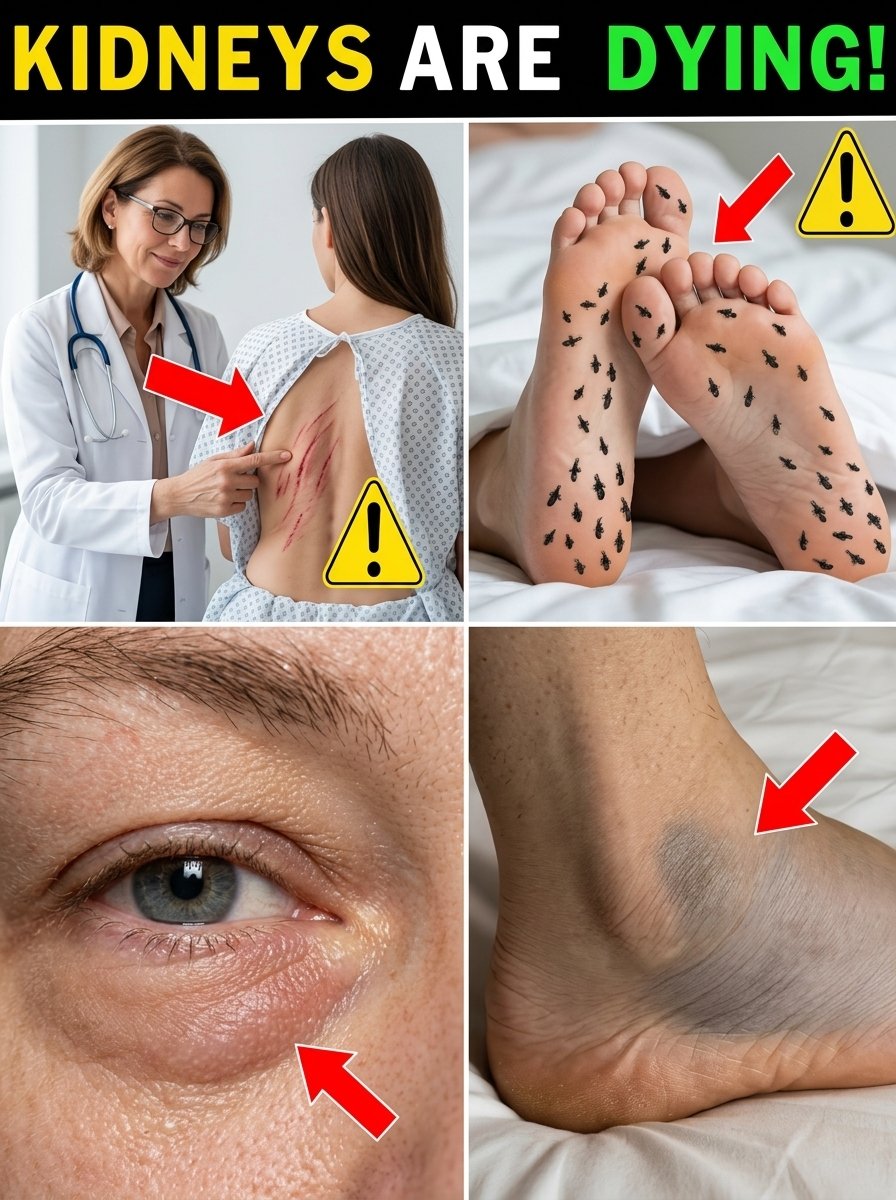
1. High Blood Pressure
Hypertension is one of the leading causes of kidney damage worldwide. Constant pressure inside blood vessels gradually scars the delicate filters in the kidneys. Many people over 50 live with elevated blood pressure without realizing the long-term harm it causes.
2. Uncontrolled Blood Sugar
Diabetes silently attacks the tiny blood vessels responsible for filtering waste from the blood. Over time, high blood sugar weakens kidney function and can eventually lead to kidney failure if left unmanaged.
3. Overusing Painkillers
Frequent use of common pain relievers such as ibuprofen or naproxen may reduce blood flow to the kidneys. Long-term use, especially in older adults, can slowly poison kidney tissue without obvious warning signs.
4. Chronic Dehydration
Many older adults simply do not drink enough water. Dehydration forces the kidneys to work harder and increases the risk of kidney stones, infections, and reduced filtration efficiency.
5. Excess Salt Consumption
Too much sodium raises blood pressure and puts tremendous stress on kidney function. Processed foods, canned meals, instant noodles, chips, and restaurant dishes often contain dangerously high levels of hidden salt.
6. Smoking
Smoking narrows blood vessels and decreases oxygen delivery to the kidneys. It also increases the risk of protein leakage in urine, which is a major sign of kidney damage.
7. Heavy Alcohol Intake
Excessive alcohol dehydrates the body, raises blood pressure, and interferes with the kidneys’ ability to maintain proper fluid balance. Over time, this can contribute to chronic kidney disease.
8. Processed Foods
Ultra-processed foods are loaded with preservatives, refined sugars, unhealthy fats, and sodium. These ingredients promote inflammation, obesity, hypertension, and diabetes — all major enemies of kidney health.
9. Obesity
Carrying excess body weight forces the kidneys to work overtime. Obesity also increases the likelihood of developing diabetes and high blood pressure, creating a dangerous cycle of kidney stress.
10. Poor Sleep Habits
Sleep is essential for the body’s repair systems. Chronic sleep deprivation has been linked to high blood pressure, inflammation, and hormonal imbalances that may negatively affect kidney function.
11. Ignoring Routine Checkups
Kidney disease is often called a “silent killer” because symptoms may not appear until advanced stages. Simple blood and urine tests can detect problems early, yet many adults skip regular screenings.
12. Excessive Sugar Intake
Sugary drinks and desserts do more than increase body weight. They raise blood glucose levels, trigger inflammation, and contribute to metabolic disorders that can slowly damage the kidneys.
13. Sedentary Lifestyle
Lack of physical activity contributes to obesity, poor circulation, high blood pressure, and insulin resistance. Regular movement improves blood flow and supports healthier kidney function.
14. Hidden Environmental Toxins
Certain chemicals found in contaminated water, plastics, non-stick cookware, and industrial pollutants may accumulate in the body over time and place additional strain on the kidneys.
15. Ignoring Early Warning Signs
Foamy urine, swollen ankles, fatigue, muscle cramps, frequent nighttime urination, or persistent puffiness around the eyes should never be ignored. These subtle signs may indicate declining kidney health long before severe symptoms appear.
How to Protect Your Kidneys After 50
Protecting kidney health does not require extreme measures. Small, consistent habits can make a powerful difference:
- Drink enough water throughout the day
- Limit processed and salty foods
- Keep blood pressure and blood sugar under control
- Exercise regularly
- Avoid smoking
- Reduce alcohol consumption
- Use pain medications carefully
- Maintain a healthy weight
- Prioritize quality sleep
- Schedule routine kidney function tests
Your kidneys work around the clock to filter toxins, balance fluids, and keep your body functioning properly. Taking care of them today may help prevent serious complications tomorrow. The earlier you identify these silent kidney killers, the better your chances of maintaining strong kidney function well into later life.