 By admin
 Always tired, itchy, or bloated? Your liver may be begging for help right now.
Your liver is one of the hardest-working organs in your body. It filters toxins, supports digestion, balances hormones, regulates blood sugar, and helps your immune system stay strong. But when the liver becomes overloaded or damaged, the body often sends subtle warning signs long before serious disease appears.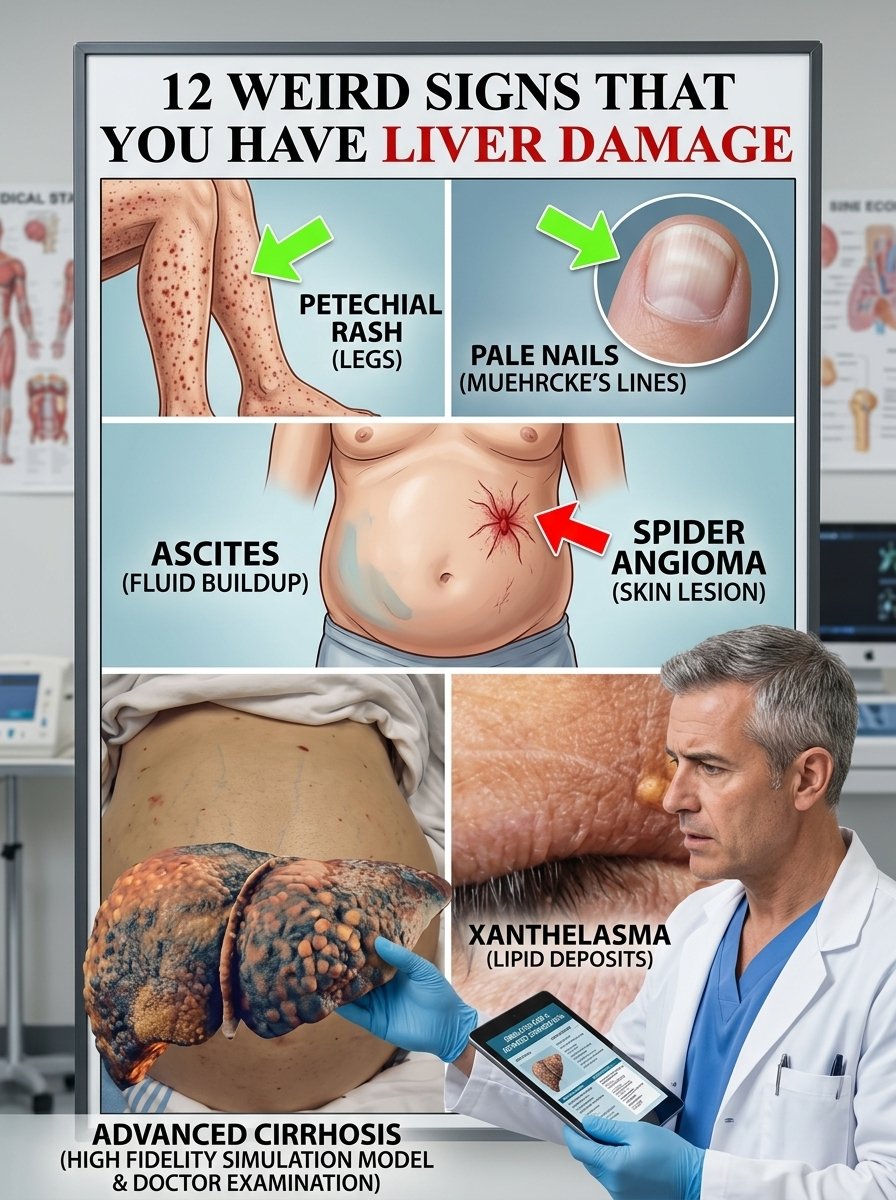
Many people ignore these symptoms because they seem unrelated or harmless. However, recognizing them early could help prevent severe liver conditions such as fatty liver disease, hepatitis, cirrhosis, or liver failure.
1. Constant Fatigue That Never Goes Away
Feeling exhausted even after sleeping well may be one of the earliest signs of liver stress. When the liver cannot efficiently remove toxins, the body becomes sluggish, weak, and mentally drained. Persistent fatigue is commonly reported in people with liver dysfunction.
2. Itchy Skin Without a Clear Cause
Unexplained itching, especially on the hands, feet, or entire body, may indicate bile buildup caused by poor liver function. This symptom often appears before more obvious liver problems develop.
3. Dark Urine or Pale Stool
If your urine suddenly becomes dark brown or orange despite drinking enough water, your liver may be struggling to process bilirubin properly. Pale or clay-colored stool can also signal blocked bile flow.
4. Yellowing of the Eyes or Skin
Jaundice is one of the clearest liver warning signs. When bilirubin builds up in the bloodstream, the skin and eyes can turn yellow. This symptom should never be ignored and requires medical evaluation immediately.
5. Swollen Belly or Puffy Legs
Fluid retention in the abdomen, legs, ankles, or feet may happen when the liver loses its ability to regulate proteins and circulation. In advanced cases, this swelling can become painful and severe.
6. Brain Fog and Memory Problems
A struggling liver may allow toxins to build up in the blood and affect the brain. This can lead to confusion, forgetfulness, poor concentration, mood swings, or unusual irritability.
7. Easy Bruising or Bleeding
The liver produces proteins necessary for blood clotting. When liver function declines, you may bruise easily, experience bleeding gums, or notice frequent nosebleeds.
8. Pain in the Upper Right Abdomen
Discomfort or dull pain under the right rib cage may indicate inflammation or enlargement of the liver. This symptom is especially common in fatty liver disease and hepatitis.
9. Sudden Changes in Weight
Rapid weight gain from fluid retention or unexplained weight loss may both point to liver problems. The liver plays a key role in metabolism, so damage can disrupt how the body stores and uses energy.
10. Loss of Appetite and Nausea
A damaged liver can interfere with digestion and make you feel full quickly. Many people with liver disease experience nausea, bloating, indigestion, or a complete loss of appetite.
11. Red Palms and Spider Veins
Red palms and tiny spider-like blood vessels appearing on the chest or face may be linked to chronic liver disease. These changes are often caused by hormonal imbalance associated with liver dysfunction.
12. Trouble Sleeping at Night
Many people with liver problems struggle with insomnia, waking frequently during the night, or feeling sleepy during the day. Sleep disturbances can be an overlooked sign that the liver is under stress.
How to Support Your Liver Naturally
The liver has a remarkable ability to heal itself when damage is caught early. Healthy daily habits can reduce inflammation and support liver recovery:
- Drink more water and reduce sugary beverages
- Avoid excessive alcohol consumption
- Limit processed foods and fried meals
- Eat more leafy greens, berries, garlic, and healthy fats
- Exercise regularly to reduce fatty liver risk
- Maintain a healthy weight
- Avoid unnecessary medications and toxins
- Get regular blood tests if symptoms persist
If you notice several of these symptoms together, do not ignore them. Early diagnosis can significantly improve liver health and help prevent irreversible damage.