 By admin
 🧠 Brain fog, numb hands, dizziness, and weakness could all point to one hidden deficiency doctors often miss.
Feeling exhausted no matter how much you sleep? Struggling with brain fog, dizziness, or unexplained weakness? These symptoms may not simply be “stress” or “getting older.” In many cases, they could point to a hidden vitamin B12 deficiency quietly draining your energy and affecting your health every single day.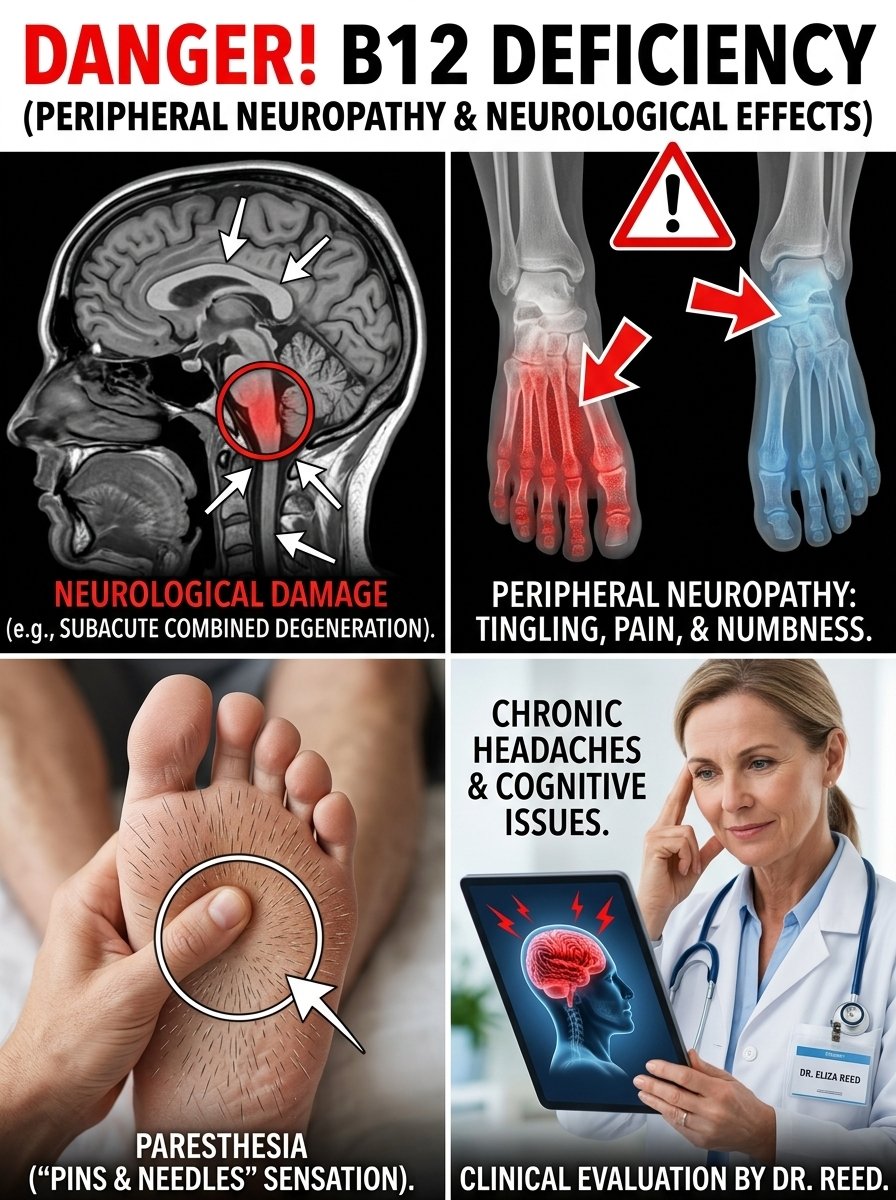
Vitamin B12 plays a vital role in nerve function, red blood cell production, brain performance, and energy metabolism. When your body lacks this essential nutrient, the effects can spread throughout the entire body—often slowly and silently.
Here are 12 warning signs that your body may be crying out for more vitamin B12.
1. Constant Fatigue and Weakness
One of the earliest and most common signs of B12 deficiency is overwhelming tiredness. Without enough B12, your body struggles to produce healthy red blood cells that carry oxygen throughout the body. As oxygen levels drop, energy levels crash.
You may feel physically weak, exhausted after simple tasks, or unable to focus during the day.
2. Brain Fog and Memory Problems
Vitamin B12 is essential for healthy brain function. A deficiency may cause forgetfulness, poor concentration, mental confusion, and difficulty processing information.
Many people describe it as feeling mentally “slower” or unable to think clearly.
3. Tingling or Numbness in Hands and Feet
Low B12 levels can damage nerves over time. This may lead to strange sensations such as tingling, pins and needles, burning, or numbness in the hands, legs, or feet.
If left untreated, nerve damage can become more serious and sometimes permanent.
4. Pale or Yellowish Skin
Because B12 helps produce healthy red blood cells, a deficiency can lead to anemia. This may cause the skin to appear pale, tired, or slightly yellow.
Some people also notice dark circles under the eyes and a general loss of healthy skin tone.
5. Shortness of Breath and Dizziness
Low oxygen delivery caused by anemia may leave you feeling dizzy, lightheaded, or breathless—even during mild activity like climbing stairs or walking.
This symptom is often overlooked but can strongly indicate a nutritional deficiency.
6. Mood Changes and Depression
Vitamin B12 supports the production of brain chemicals that regulate mood. Deficiency has been linked to irritability, anxiety, depression, and emotional instability.
Some people feel unusually sad or emotionally drained without understanding why.
7. Frequent Headaches
Poor oxygen circulation and nerve dysfunction caused by low B12 levels may trigger recurring headaches or migraines.
Persistent headaches combined with fatigue can be a warning sign worth investigating.
8. Heart Palpitations
When the body struggles to deliver oxygen efficiently, the heart may work harder to compensate. This can cause rapid heartbeat, palpitations, or an uncomfortable pounding sensation in the chest.
9. Glossy Tongue and Mouth Ulcers
A swollen, red, or smooth-looking tongue may signal vitamin B12 deficiency. Some individuals also experience mouth ulcers, burning sensations, or changes in taste.
These symptoms are surprisingly common yet frequently ignored.
10. Blurred Vision
In severe cases, B12 deficiency may affect the optic nerve, leading to blurry or disturbed vision. While uncommon, this complication should never be ignored.
Early treatment can help prevent long-term damage.
11. Difficulty Walking or Poor Balance
Nerve damage linked to B12 deficiency can interfere with coordination and balance. Some people feel unsteady while walking or notice muscle weakness in the legs.
Older adults are especially vulnerable to this symptom.
12. Unexplained Low Energy Despite Eating Well
Even people with a healthy diet may become deficient if the body cannot absorb vitamin B12 properly. Digestive conditions, aging, certain medications, and low stomach acid can all reduce absorption.
This is why some individuals remain exhausted despite eating nutritious foods.
Who Is Most at Risk?
Certain groups are more likely to develop vitamin B12 deficiency, including:
- Older adults
- Vegetarians and vegans
- People with digestive disorders
- Individuals taking acid-reducing medications
- Those with diabetes using metformin
- People with chronic stress or poor nutrition
Recognizing the risk early may help prevent serious complications.
Natural Ways to Support Healthy Vitamin B12 Levels
To maintain healthy B12 levels, consider adding more B12-rich foods to your routine, such as:
- Eggs
- Fish and seafood
- Lean meat
- Dairy products
- Fortified cereals
- Nutritional yeast
In some cases, supplements or B12 injections may be recommended by healthcare professionals, especially when absorption problems are involved.
Why Early Detection Matters
Vitamin B12 deficiency often develops slowly, making it easy to dismiss the symptoms as everyday fatigue or stress. But ignoring the warning signs may allow nerve damage, anemia, and cognitive issues to worsen over time.
The good news is that early treatment can dramatically improve energy, mental clarity, mood, and overall health.
Listening to your body today could help protect your long-term well-being tomorrow.