 By admin
 Antes de usar pasta de dente no rosto, descubra o método natural que realmente ajuda a acalmar a acne e restaurar sua pele.
Have you ever stood in front of the mirror, frustrated by stubborn pimples, dry patches, or irritated skin that just won’t calm down? Maybe you’ve tried countless products and still feel disappointed. So when you see a viral hack claiming that mixing toothpaste and Vaseline can transform your skin overnight, it’s tempting to give it a shot… right?
But what really happens when you apply toothpaste and petroleum jelly to your face? And more importantly, is there a safer, more natural way to get clear, glowing skin? Keep reading—because by the end of this article, you’ll discover gentle, natural alternatives that truly support healthy skin without risking irritation.
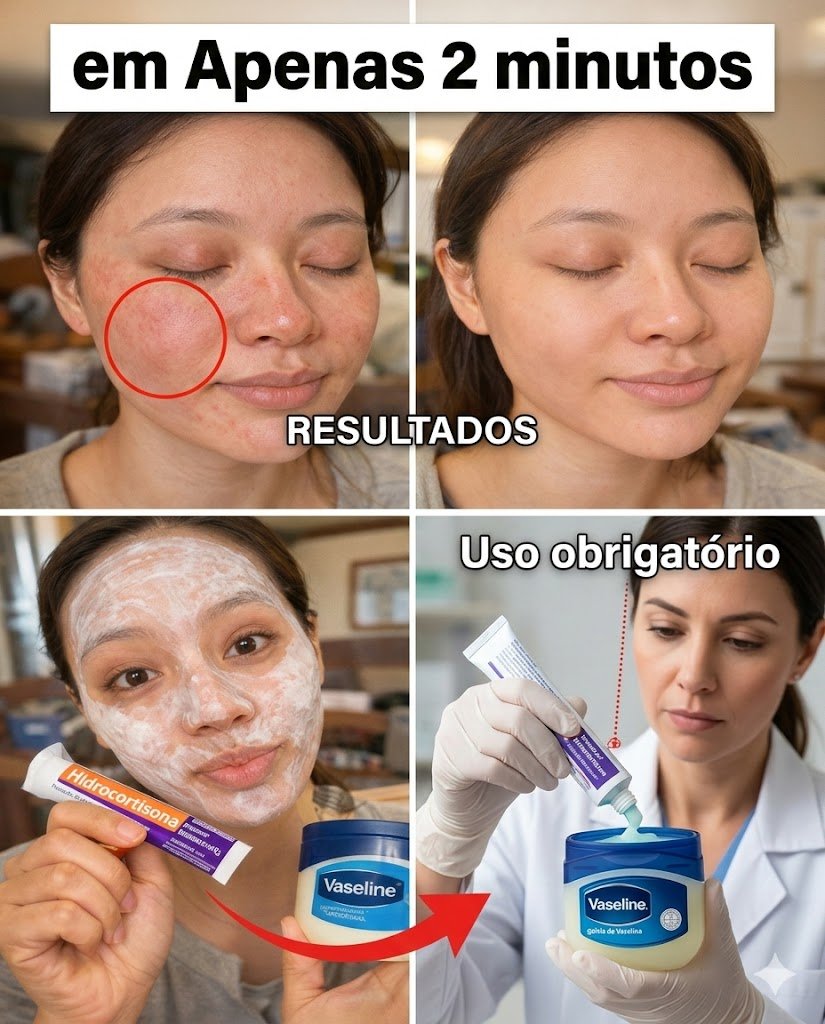
Why People Are Trying Toothpaste & Vaseline
This trend usually involves mixing a small amount of toothpaste (often mint-based) with Vaseline, applying it as a mask for 10–15 minutes, then rinsing it off.
People hope it will:
-
Dry out pimples
-
Reduce redness
-
Soften rough or flaky skin
-
Create a smooth, glowing look
Toothpaste may contain baking soda, menthol, or mild peroxides that create a temporary drying or cooling sensation. Vaseline acts as an occlusive barrier that locks in moisture.
But here’s the problem: toothpaste is formulated for teeth—not facial skin. Ingredients that are safe for your mouth can disrupt your skin’s natural protective barrier. When combined with a heavy occlusive like petroleum jelly, potential irritants may become trapped against the skin, increasing redness, clogged pores, or breakouts—especially for acne-prone individuals.
Instead of quick fixes, your skin needs gentle, supportive care.
A Safer Natural Approach for Clear, Balanced Skin
If your goal is calmer, smoother, healthier-looking skin, consider these natural ingredients that have been traditionally used and are supported by growing scientific evidence.
1. Raw Honey (for acne & irritation)
Benefits:
-
Natural antibacterial properties
-
Soothes inflammation
-
Supports skin healing
How to use:
-
Apply a thin layer of raw, organic honey to clean skin.
-
Leave on for 15–20 minutes.
-
Rinse with lukewarm water.
Use 2–3 times weekly.
2. Aloe Vera Gel (for redness & dryness)
Benefits:
-
Deeply hydrating
-
Calms irritation
-
Supports skin repair
How to use:
-
Extract fresh aloe gel (or use pure, alcohol-free aloe gel).
-
Apply a light layer before bedtime.
-
Leave overnight.
Safe for daily use for most skin types.
3. Oatmeal Soothing Mask (for sensitive skin)
Benefits:
-
Reduces itching
-
Strengthens skin barrier
-
Gentle exfoliation
Preparation:
-
Blend 2 tablespoons plain oats into a fine powder.
-
Mix with warm water until it forms a paste.
-
Apply for 10–15 minutes.
-
Rinse gently.
Use once weekly.
4. Diluted Tea Tree Oil (for occasional blemishes)
Important: Always dilute.
Preparation:
-
Mix 1 drop tea tree oil with 1 teaspoon jojoba oil or aloe gel.
-
Apply only to the blemish using a cotton swab.
Use once daily at most.
Avoid if you have very sensitive skin. Always patch test for 24 hours.
Simple Skin-Loving Habits
-
Cleanse gently twice daily with a mild cleanser.
-
Stay hydrated.
-
Avoid touching your face frequently.
-
Change pillowcases weekly.
-
Apply natural moisturizers suited to your skin type.
-
Be patient—true skin healing takes 4–6 weeks.
Why Gentle Care Wins
Your skin is your body’s largest organ. It deserves ingredients meant to nourish—not shock or strip it. Viral trends often promise fast results, but long-term glow comes from consistency, nourishment, and barrier support.
If you experience persistent acne, severe irritation, or skin conditions like eczema or rosacea, consult a qualified dermatologist or healthcare professional before trying new remedies.
Remember: natural healing works best when it’s gentle, consistent, and respectful of your skin’s biology.
Disclaimer: This article is for educational purposes only and is not a substitute for professional medical advice. Always consult a qualified healthcare provider before starting new skincare treatments, especially if you have underlying skin conditions or sensitivities.