 By admin
 🚨 Waking up with a dry mouth EVERY night could be a silent sign of diabetes, sleep apnea, or dehydration! Discover the 8 dangerous causes before it gets worse.
Waking up in the middle of the night with a dry mouth may seem harmless, but this frequent discomfort can actually be a warning sign from your body. It may indicate health issues, unhealthy habits, or even problems with your sleeping environment. A dry mouth at night can cause bad breath, difficulty swallowing, throat irritation, and even increase the risk of cavities and oral infections.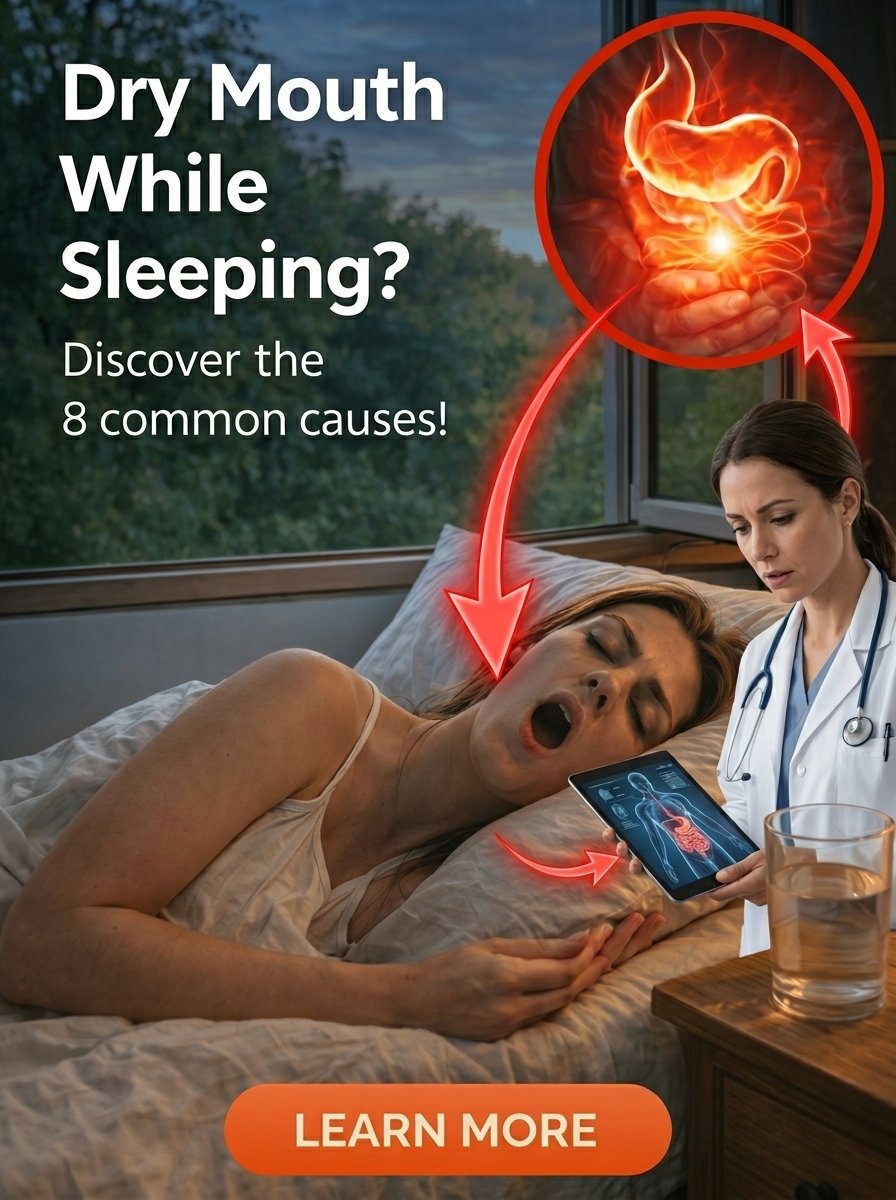
Saliva plays a crucial role in keeping the mouth healthy. It helps with digestion, protects the teeth from bacteria, and keeps the mouth naturally hydrated. When saliva production decreases during sleep, several uncomfortable symptoms can appear. Here are the 8 most common reasons why your mouth may feel so dry at night.
1. Sleeping With Your Mouth Open
This is one of the most common causes. People with nasal congestion, allergies, sinus infections, or a deviated septum often breathe through their mouths while sleeping. The constant airflow quickly dries out the mouth and throat.
In addition to discomfort, mouth breathing can lead to snoring, poor sleep quality, and daytime fatigue.
2. Dehydration
When the body doesn’t get enough water throughout the day, it reduces saliva production to conserve fluids. As a result, the mouth becomes extremely dry during sleep.
Alcohol, excessive coffee consumption, and salty foods can also worsen dehydration.
3. Side Effects of Medications
Many medications can reduce saliva production as a side effect. Common examples include antidepressants, antihistamines, blood pressure medications, and anxiety treatments.
If your dry mouth started after taking a new medication, it may be worth discussing alternatives with your doctor.
4. Diabetes and High Blood Sugar
Dry mouth can be one of the early signs of diabetes or high blood sugar levels. When blood sugar is uncontrolled, the body loses more fluids through urination, increasing thirst and dryness.
If you also experience fatigue, blurry vision, or frequent urination, it’s important to get checked.
5. Snoring and Sleep Apnea
People who snore heavily or suffer from sleep apnea often wake up with an extremely dry mouth. During breathing interruptions, the body forces air through the mouth, causing severe dryness.
Sleep apnea may also increase the risk of high blood pressure, heart disease, and chronic fatigue.
6. A Very Dry Sleeping Environment
Sleeping with strong air conditioning, direct fan airflow, or low humidity can dry out the respiratory system.
A dry room may irritate the throat, nose, and mouth, especially during colder seasons or in hot climates.
7. Stress and Anxiety
Stress directly affects the nervous system and may temporarily reduce saliva production. Anxious individuals also tend to sleep poorly, breathe through the mouth more often, and clench their teeth during sleep.
Over time, this can make dry mouth even worse.
8. Salivary Gland Problems
Certain health conditions directly affect the glands responsible for producing saliva. Infections, inflammation, and autoimmune disorders may cause persistent dryness, even if you drink enough water.
If dry mouth becomes frequent or severe, medical evaluation is strongly recommended.
How to Relieve Dry Mouth at Night
Some simple lifestyle changes may help reduce the problem:
- Drink more water throughout the day
- Avoid alcohol and excessive caffeine at night
- Sleep on your side to reduce snoring
- Use a humidifier in the bedroom
- Treat allergies and nasal congestion
- Avoid very salty meals before bed
- Maintain good oral hygiene
Although dry mouth may seem minor, it can sometimes be an important warning sign from the body. Identifying the real cause early can help protect not only your oral health, but also your sleep quality and overall well-being.