 By admin
 This strange trumpet-shaped plant has been linked to pain relief and calming effects for centuries—but few people know the full story.
Have you ever searched for a natural remedy so desperately that you were willing to try almost anything? When chronic pain, sleepless nights, or constant anxiety refuse to fade, many people turn to traditional herbs hoping nature holds the answer. But what if a single plant could offer powerful healing… and serious danger at the same time?
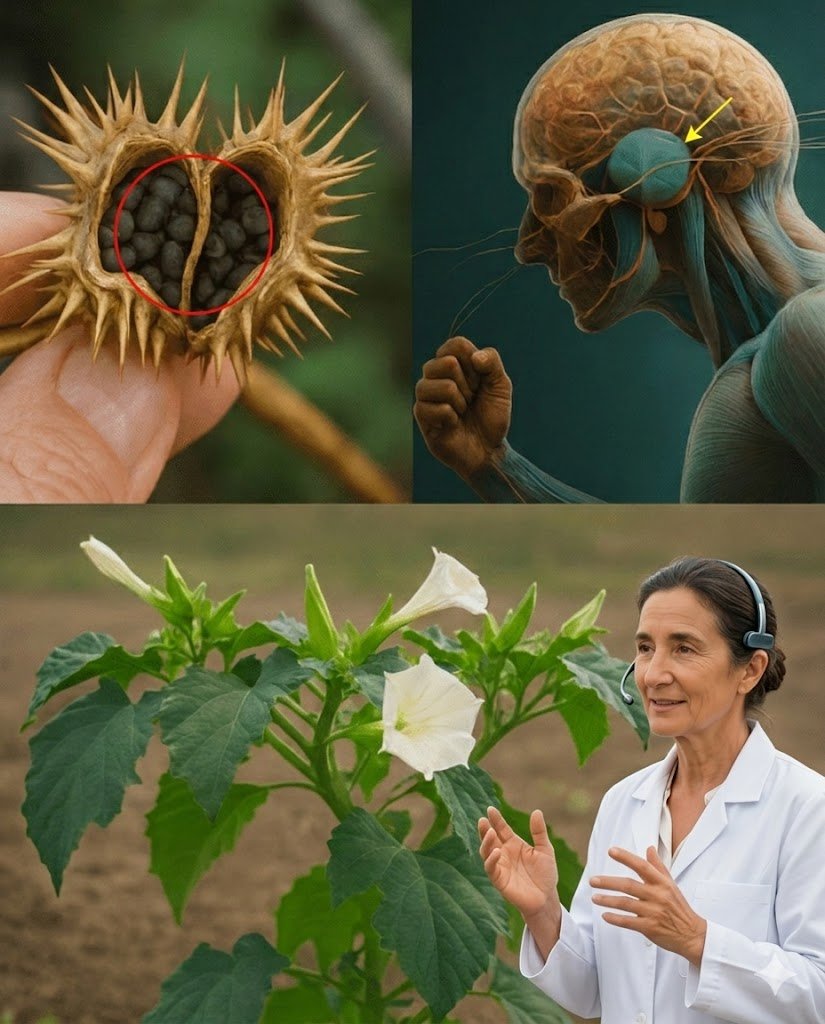
One mysterious plant has fascinated herbalists for centuries: Datura stramonium, also known as thornapple or jimsonweed. Some traditional healers once praised it for easing breathing, calming nerves, and relieving pain. Yet modern researchers warn that the same plant can easily become toxic if used incorrectly.
So the question is simple but powerful: Is Datura a miracle herb—or a deadly temptation?
Stay with me until the end to discover the truth behind this ancient plant and why extreme caution is essential.
What Is Datura Stramonium?
Datura stramonium is a wild plant belonging to the nightshade family. It grows in many parts of the world and is recognizable by its large trumpet-shaped flowers and spiky seed pods. For generations, various cultures experimented with it in small amounts for traditional healing practices.
The plant contains powerful natural compounds known as tropane alkaloids, including atropine, scopolamine, and hyoscyamine. These compounds can affect the nervous system, muscles, breathing, and heart rate. Because of this potency, even tiny differences in dosage can dramatically change the effect.
Traditional Uses in Folk Medicine
Historically, some herbal traditions explored Datura for several purposes:
1. Supporting breathing during respiratory discomfort
Very small, carefully controlled amounts were once used in traditional remedies aimed at relaxing airway muscles.
2. Temporary pain relief
Certain cultures applied diluted Datura oil externally on joints or sore muscles to reduce discomfort.
3. Sedative effects for restlessness
Trace compounds in the plant may influence the nervous system, which is why it appeared in some ancient sleep or ritual preparations.
4. External application for skin issues
In folk medicine, crushed leaves were sometimes used as poultices for minor wounds or skin irritations.
However, these practices were often performed by experienced herbalists who understood the plant’s potency.
Why Datura Is Extremely Dangerous
Despite its historical reputation, Datura is one of the most toxic medicinal plants known. The concentration of active compounds can vary widely from plant to plant, making safe dosing nearly impossible outside professional settings.
Improper use can lead to serious symptoms such as:
-
Severe hallucinations
-
Rapid heartbeat
-
Extreme confusion or delirium
-
High body temperature
-
Vision disturbances
-
Breathing problems
-
Coma in severe cases
Accidental poisoning has been reported worldwide, especially when seeds or leaves were consumed without proper knowledge.
Children, older adults, and individuals with heart conditions are particularly vulnerable.
A Safer Perspective on Natural Healing
Nature provides many powerful remedies, but power does not always mean safe. Plants like chamomile, ginger, turmeric, peppermint, and holy basil offer gentle benefits with far fewer risks when used properly.
Datura stramonium serves as an important reminder:
not every “natural” remedy should be used at home.
If you ever encounter this plant in the wild, admire it from a distance. Any medical use should only be handled by qualified professionals in controlled settings.
Final Thought
Natural medicine can be incredibly valuable—but wisdom and caution must always come first. The true path to wellness isn’t chasing dangerous miracles, but choosing safe, proven remedies that support the body gently and consistently.
Before trying any unfamiliar herb, especially potent plants like Datura, always consult a knowledgeable herbal practitioner or healthcare professional.
Your health deserves curiosity—but also protection.