 By admin
 🚨 The color of your stool could reveal a health problem before the first symptoms even appear!
Most people pay little attention to the color of their stool. However, this seemingly insignificant detail can provide valuable clues about the condition of your digestive system, liver, gallbladder, and overall health. While occasional color changes are often linked to diet, certain unusual colors may serve as important warning signs that should not be overlooked.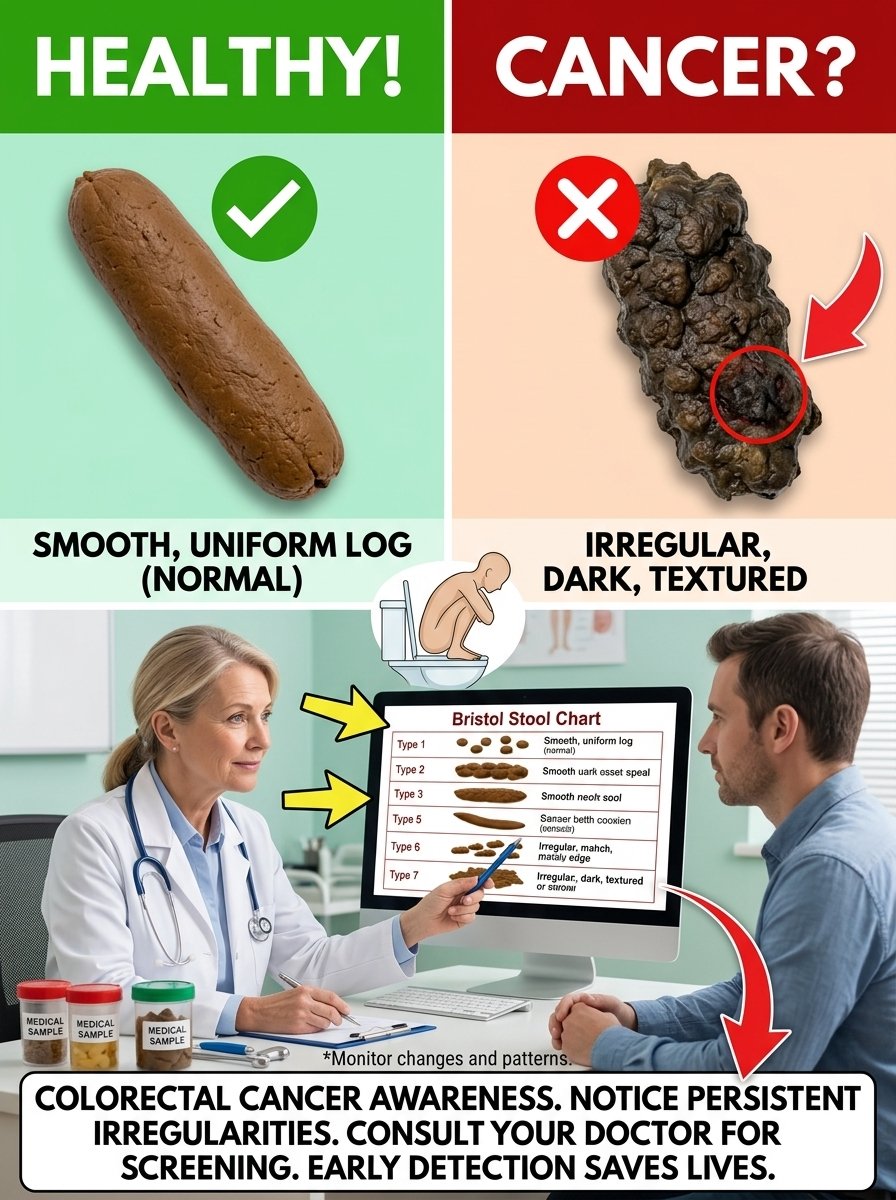
Brown Stool: A Sign of Normal Digestion
Brown stool is generally considered normal and healthy. This color comes from bile produced by the liver and transformed during the digestive process. Variations ranging from light brown to dark brown are usually not a cause for concern.
Green Stool: Diet or Rapid Digestion?
Green stool may appear after eating leafy green vegetables, taking iron supplements, or consuming foods with artificial coloring. However, it can also indicate that food is moving through the intestines too quickly, such as during diarrhea or certain digestive disorders. If the color persists for several days and is accompanied by other symptoms, medical advice should be sought.
Yellow Stool: A Possible Sign of Fat Malabsorption
Yellow, greasy, or foul-smelling stool may indicate that the body is not properly digesting fats. In some cases, this can be associated with pancreatic disorders, celiac disease, or problems involving bile flow. Frequent episodes of yellow stool warrant further medical evaluation.
Black Stool: A Serious Warning Sign
Certain medications and iron supplements can darken stool. However, persistent black, tarry stool may signal bleeding in the upper digestive tract. This symptom requires prompt medical attention, especially if accompanied by fatigue, dizziness, or abdominal pain.
Red Stool: Watch for Blood
Eating beets or foods with red coloring can sometimes cause stool to appear red. However, red stool may also indicate bleeding in the rectum or colon. Hemorrhoids, anal fissures, inflammatory bowel diseases, and other digestive conditions may be responsible. Any unexplained blood in the stool should be evaluated by a healthcare professional.
White, Gray, or Clay-Colored Stool: A Major Warning Signal
Very pale, gray, or white stool may indicate a lack of bile reaching the intestines. This condition can be linked to disorders affecting the liver, gallbladder, or bile ducts. Such changes should never be ignored, especially if they occur alongside yellowing of the skin or eyes.
Shape and Texture Matter Too
Color is not the only important indicator. Persistently narrow stools, chronic constipation, ongoing diarrhea, or greasy floating stools may also suggest digestive problems that require medical attention.
How to Support a Healthy Digestive System
To maintain a healthy digestive tract and promote regular bowel movements:
- Eat more fiber-rich foods such as fruits, vegetables, legumes, and whole grains.
- Drink plenty of water throughout the day.
- Limit highly processed and excessively fatty foods.
- Stay physically active with regular exercise.
- Consult a healthcare professional if you notice persistent changes in stool color, shape, or consistency.
Your body often sends subtle messages long before a serious health problem develops. Paying attention to your stool is not unusual—it is a simple and practical way to monitor your digestive health and potentially identify problems at an early stage.