 By admin
 Are your heels dry, cracked, and painful? Discover the simple routine that could transform your feet in just a few days!
Our feet carry the weight of our bodies every single day, yet they are often the most neglected part of our self-care routine. Over time, the skin on the feet can become dry, rough, thickened, and even cracked. Cracked heels, calluses, and discomfort are not just cosmetic concerns—they can also cause pain and make everyday movement less enjoyable.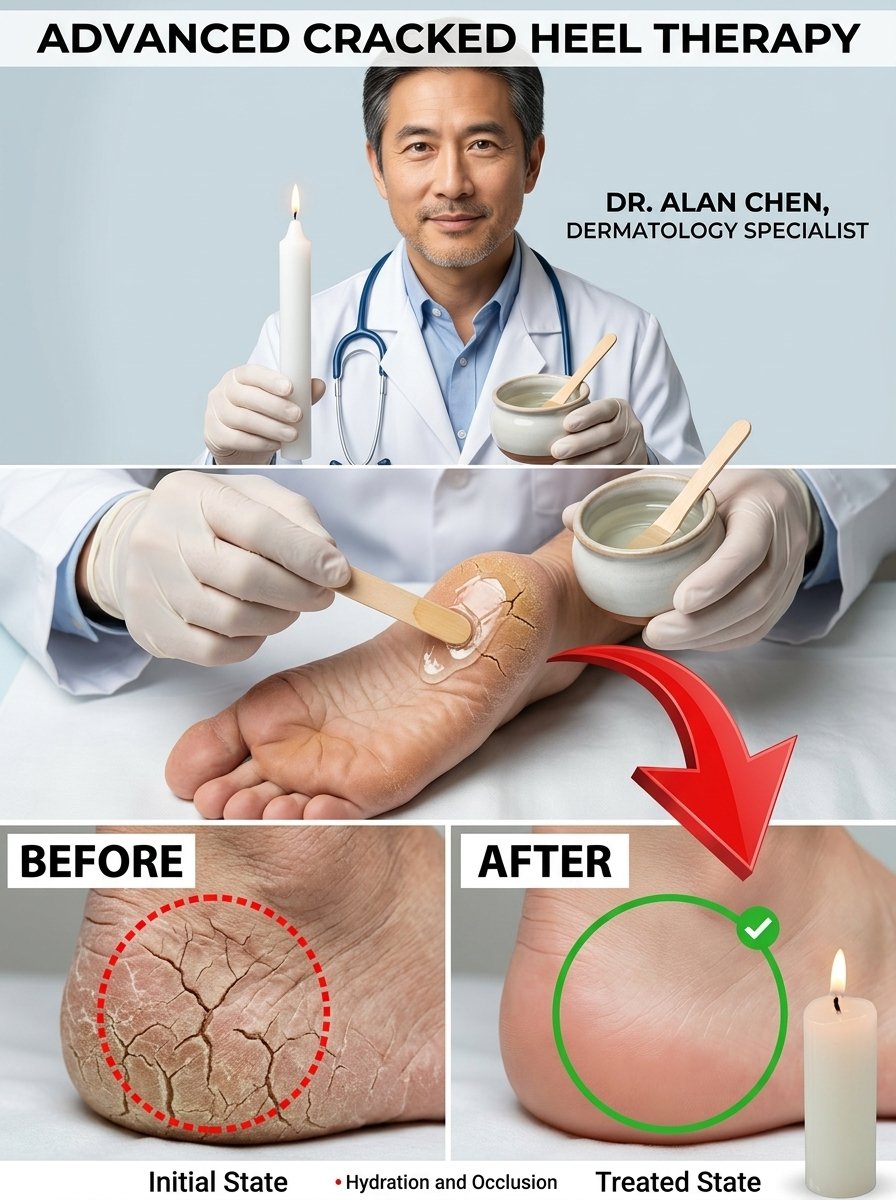
Fortunately, a few simple habits can help restore soft, smooth, and healthier-looking feet.
Why Do Feet Become Dry and Rough?
Unlike many other parts of the body, the soles of the feet contain very few oil-producing glands. As a result, they are more prone to losing moisture. Several factors can worsen this condition, including:
- Wearing poorly fitting shoes.
- Spending long hours standing or walking.
- Lack of daily moisturizing.
- Changes in weather conditions.
- Certain circulation or metabolic issues.
When the skin loses moisture, it naturally thickens to protect itself. This process often leads to calluses, rough patches, and painful cracks.
A Foot Soak: The Essential First Step
A warm foot soak is one of the easiest and most effective ways to relax tired feet and soften hardened skin. Adding sea salt to warm water may help reduce feelings of fatigue, soothe swollen feet after a long day, and remove surface impurities.
After soaking for 15 to 20 minutes, the skin becomes softer and better prepared for additional care.
Exfoliation Helps Remove Dead Skin
Regular exfoliation can help eliminate dead skin cells that contribute to roughness and thickened areas. Using a pumice stone gently after soaking can gradually reduce calluses without damaging healthy skin.
This simple step not only improves the appearance of your feet but also allows moisturizers to penetrate more effectively.
Moisturize to Repair and Protect
Daily moisturizing is one of the most important steps for restoring damaged feet. Rich moisturizing creams can help:
- Reduce severe dryness.
- Prevent painful cracks.
- Improve skin elasticity.
- Soften rough heels.
- Support a healthier skin barrier.
For even better results, apply moisturizer before bedtime and wear cotton socks overnight. This helps lock in moisture and promotes deeper skin repair while you sleep.
Natural Ingredients That May Help
Several natural ingredients are widely appreciated for their soothing and softening properties:
- Honey may help retain moisture and soothe dry skin.
- Olive oil can nourish rough and hardened areas.
- Coconut oil may help soften cracked heels and improve skin comfort.
- Lemon, when used carefully, may assist in removing surface dead skin cells.
These natural remedies can complement a regular foot-care routine, although they should not replace professional medical care when serious cracks, infections, or underlying health conditions are present.
Small Habits That Make a Big Difference
To keep your feet healthy and comfortable:
- Dry carefully between your toes after washing.
- Wear comfortable, properly fitting shoes.
- Change socks regularly.
- Moisturize your feet every evening.
- Avoid removing calluses with sharp tools or blades.
Consistent care can significantly improve the appearance and comfort of your feet over time.
When Should You Seek Professional Help?
If cracks become deep, painful, or show signs of infection, it is important to consult a healthcare professional. Individuals with diabetes or circulation problems should be especially cautious and avoid self-treatment without medical advice.
Final Thoughts
Soft, healthy feet are about much more than appearance. They contribute to overall comfort, mobility, and quality of life. By dedicating just a few minutes each day to proper foot care, you can reduce dryness, prevent cracks, and enjoy feet that feel smoother, healthier, and more comfortable with every step.