 By admin
 2. Before spending hundreds on dental treatments, discover the everyday ingredient that may help support natural enamel protection.
When it comes to maintaining a healthy smile, many people assume that expensive dental treatments are the only answer. However, one common kitchen ingredient has been gaining attention for its potential role in supporting oral health: baking soda.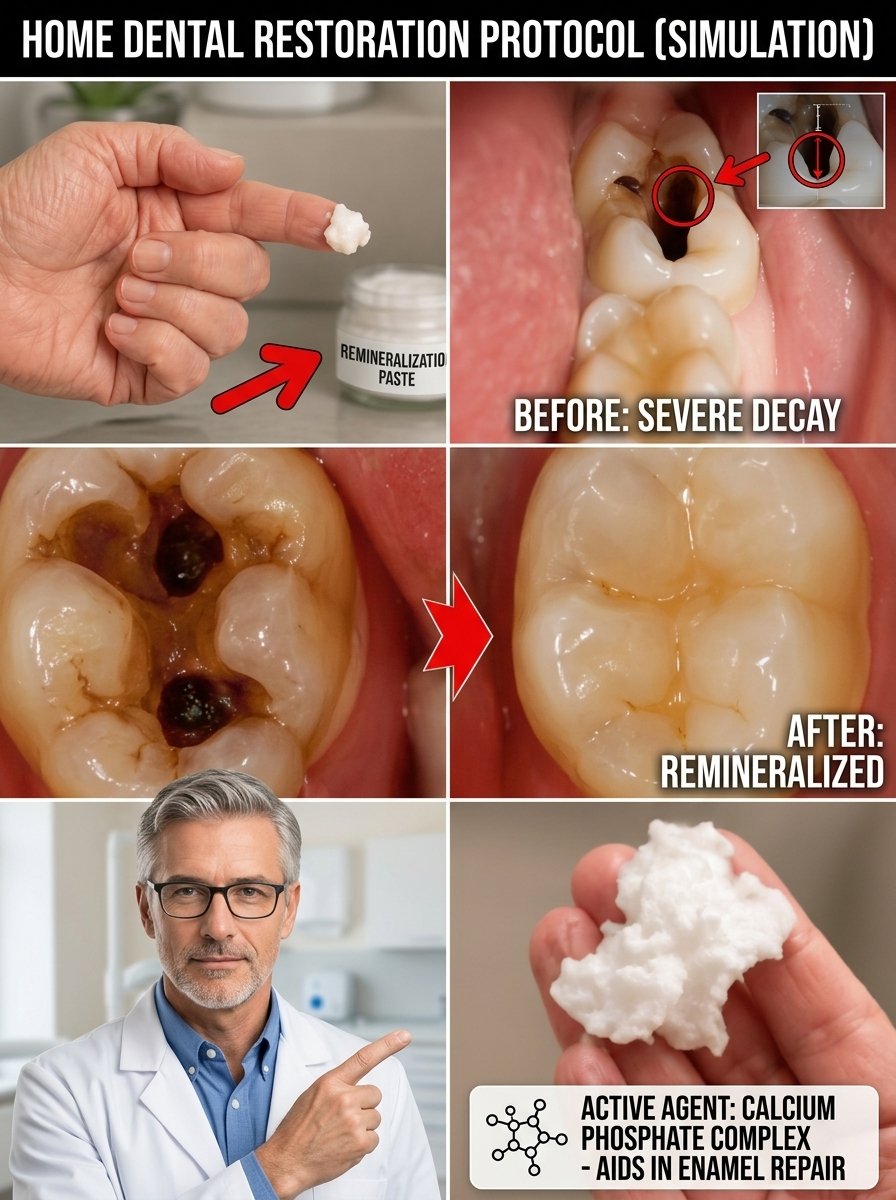
While baking soda is not a miracle cure and cannot regrow lost enamel, it may help create a healthier environment inside the mouth, allowing natural remineralization processes to work more effectively. This makes it one of the most affordable and accessible tools for supporting dental hygiene.
Why Tooth Enamel Matters
Tooth enamel is the hardest substance in the human body. It acts as a protective shield, defending teeth against acids, bacteria, and daily wear. Unfortunately, enamel can gradually weaken due to sugary foods, acidic drinks, poor oral hygiene, and frequent snacking.
Once enamel is severely damaged, it cannot fully regenerate. However, early mineral loss may be partially reversed through a process known as remineralization, where minerals such as calcium and phosphate are redeposited into weakened areas of the tooth.
How Baking Soda Supports Oral Health
Baking soda, also known as sodium bicarbonate, offers several benefits for the mouth:
1. Neutralizes Harmful Acids
One of the biggest threats to enamel is acidity. Harmful bacteria feed on sugars and produce acids that gradually erode the tooth surface. Baking soda helps neutralize these acids, reducing the risk of further enamel breakdown.
2. Helps Remove Plaque
Its mild abrasive properties can help lift plaque, food particles, and surface stains from teeth without the harshness of some whitening products when used appropriately.
3. Supports Fresher Breath
Because baking soda helps balance oral pH levels and reduce bacterial activity, many people notice fresher breath after incorporating it into their oral care routine.
4. May Enhance the Effects of Remineralization
Although baking soda does not contain the minerals needed to rebuild enamel, it helps create conditions that allow saliva and fluoride to do their job more effectively. Saliva naturally contains calcium and phosphate, which contribute to enamel repair.
The Best Way to Use Baking Soda
If you want to incorporate baking soda into your oral care routine:
- Mix a small amount with water to form a paste.
- Brush gently for a short period.
- Rinse thoroughly afterward.
- Avoid aggressive scrubbing.
- Continue using fluoride toothpaste as your primary toothpaste.
Many dentists recommend choosing toothpaste that already contains baking soda and fluoride, allowing you to benefit from both ingredients.
Foods That Help Strengthen Teeth Naturally
Alongside proper brushing habits, focus on foods rich in:
- Calcium (milk, cheese, yogurt, leafy greens)
- Phosphorus (eggs, fish, lean meats)
- Vitamin D (fatty fish, fortified foods)
- Water for healthy saliva production
These nutrients support the body’s natural ability to maintain strong teeth and healthy enamel.
A Few Important Warnings
Baking soda should not be viewed as a replacement for professional dental care. It cannot restore large areas of lost enamel or treat cavities that have already formed. Additionally, excessive brushing with any abrasive substance may irritate gums or contribute to wear over time.
If you experience tooth sensitivity, visible enamel erosion, persistent pain, or signs of decay, consult a dental professional for a proper evaluation.
Final Thoughts
Sometimes the simplest solutions are hiding in your kitchen cabinet. Baking soda is inexpensive, widely available, and may support a healthier oral environment by reducing acidity, helping remove plaque, and encouraging natural remineralization processes.
While it won’t magically rebuild lost enamel, it can be a useful addition to a complete oral care routine that includes fluoride toothpaste, a balanced diet, and regular dental checkups. Healthy teeth are built through consistent daily habits, and even small changes can make a meaningful difference over time.