 By admin
 Did you know that kidney stone pain is considered one of the most intense pains in medicine? Learn how to recognize it quickly.
Kidney stones are hard deposits made of minerals and salts that form inside the kidneys. This condition can cause severe pain and significantly affect a person’s quality of life. Although kidney stones are common, many people fail to recognize the early warning signs, which may delay proper treatment.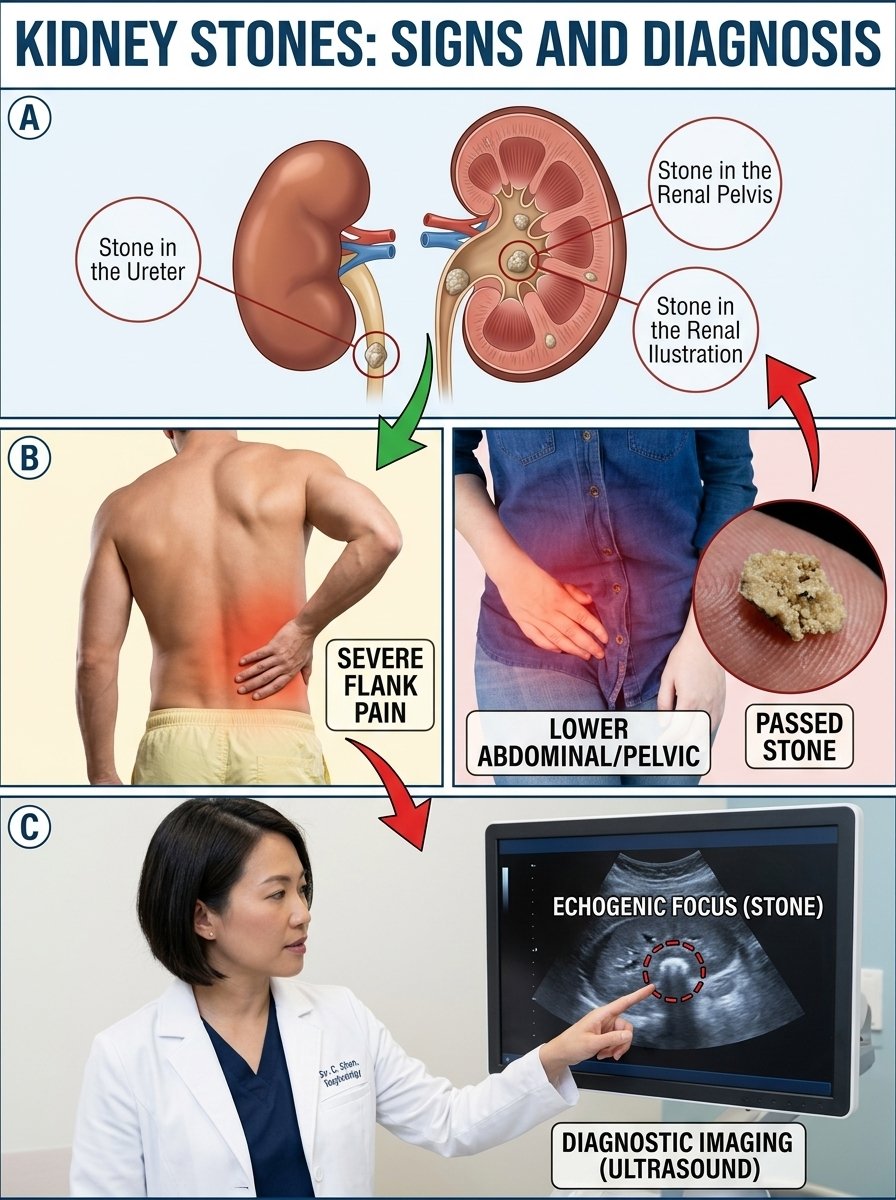
What Are Kidney Stones?
Kidney stones are small, solid masses that develop when substances such as calcium, oxalate, and uric acid become highly concentrated in the urine. When the body is not properly hydrated or when dietary imbalances occur, these crystals can stick together and gradually form larger stones within the kidneys or urinary tract.
Main Symptoms
Symptoms can range from mild discomfort to severe pain, depending on the size and location of the stone. Common signs include:
- Intense pain in the lower back or side of the abdomen
- Pain or burning sensation during urination
- Cloudy urine or blood in the urine
- Frequent urge to urinate
- Nausea and vomiting
- Pressure or discomfort in the lower abdomen
In many cases, the pain appears suddenly and may radiate toward the groin area. It is often described as one of the most intense types of pain a person can experience.
Causes and Risk Factors
Several factors can increase the likelihood of developing kidney stones:
- Insufficient water intake
- Diets high in salt, sugar, and animal protein
- Family history of kidney stones
- Obesity
- Frequent urinary tract infections
- Lack of physical activity
Dehydration is one of the leading causes because concentrated urine allows crystals to form more easily.
Types of Kidney Stones
There are several different types of kidney stones:
Calcium Stones
The most common type, usually made of calcium oxalate or calcium phosphate.
Uric Acid Stones
Often associated with diets rich in red meat and foods high in purines.
Struvite Stones
Typically linked to urinary tract infections.
Cystine Stones
A rare form caused by inherited genetic conditions.
Treatment Options
Treatment depends on the size and location of the stone. Small stones may pass naturally through the urinary tract with increased fluid intake and pain-relieving medications. Larger stones may require medical procedures such as shock wave lithotripsy or surgery.
Seeking professional medical advice is essential to prevent complications such as infections, kidney damage, or urinary blockage.
Prevention
Simple lifestyle changes can greatly reduce the risk of kidney stones:
- Drink plenty of water every day
- Reduce salt and ultra-processed food consumption
- Follow a balanced diet rich in fruits and vegetables
- Exercise regularly
- Limit sugary beverages and soft drinks
These healthy habits help keep the kidneys functioning efficiently and support long-term urinary health.
When to See a Doctor
If you experience severe back pain, painful urination, blood in the urine, or fever accompanied by urinary symptoms, seek medical attention immediately. Early diagnosis and treatment can help prevent serious complications.