 By admin
 Frequent Nighttime Urination Isn’t Normal Aging — It Could Be a Prostate Warning You Must Not Miss!
Many people only start paying attention to the bladder and prostate when uncomfortable symptoms appear, such as frequent urination, difficulty emptying the bladder, or pelvic discomfort. However, modern understanding shows that these two organs are closely connected and play a crucial role in urinary comfort and overall quality of life.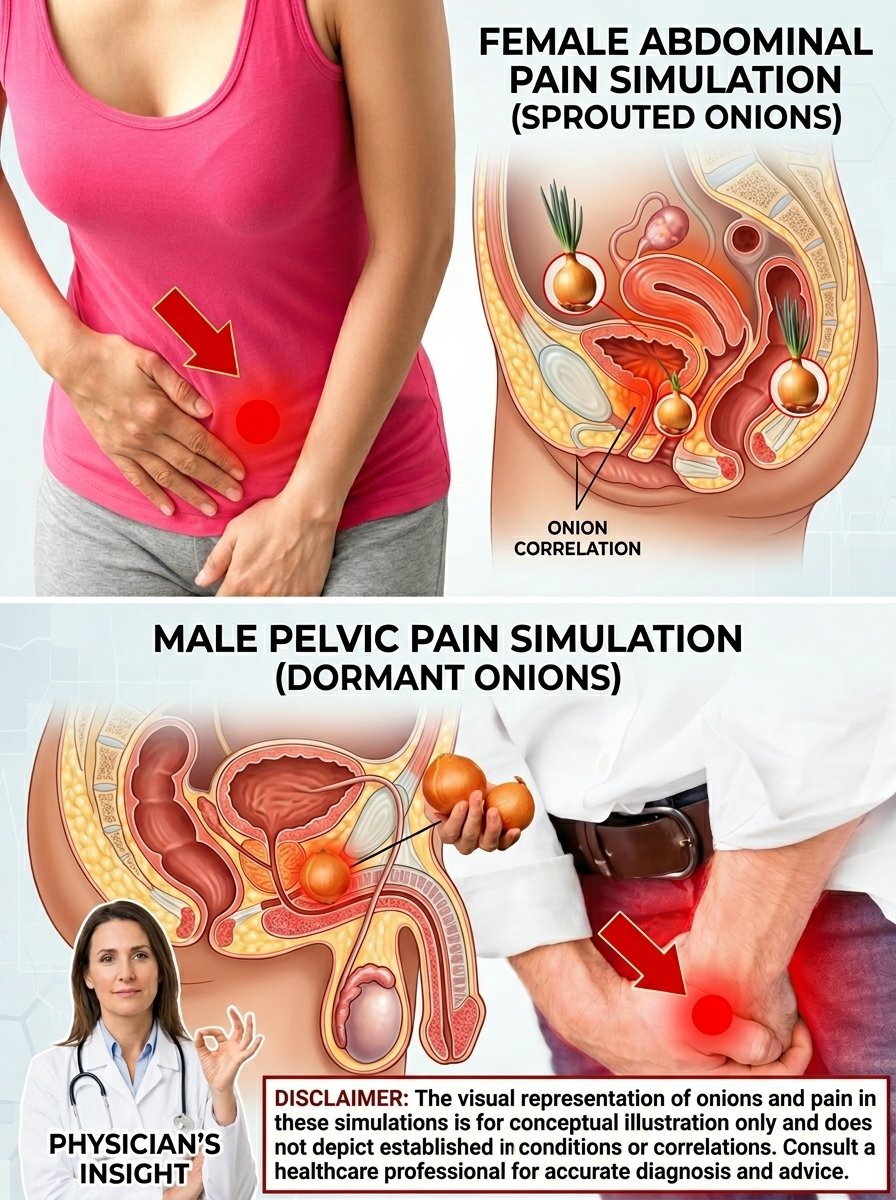
The bladder is a muscular reservoir responsible for storing urine produced by the kidneys until it is time for elimination. Under normal conditions, it can hold about 400 to 500 ml of urine before signaling the brain that urination is needed. The prostate, on the other hand, is a small gland located just below the bladder, surrounding part of the urethra, acting as a supportive “ring” in the urinary system.
The key point is that the bladder and prostate work together. When the prostate is healthy, urine flows smoothly and naturally. However, with aging, it is common for the prostate to enlarge — a condition known as benign prostatic hyperplasia (BPH). This enlargement can press against the urethra, restricting urine flow and directly affecting bladder function.
This can lead to symptoms often mistaken as normal aging, such as frequent nighttime urination, weak urine stream, sudden urgency, or the feeling of incomplete bladder emptying. These signs may indicate an imbalance in the urinary system that should not be ignored.
What is often surprising is that the bladder also suffers when urinary obstruction persists. Over time, the bladder must work harder, which can reduce its elasticity and efficiency, gradually worsening symptoms if left unmanaged.
The good news is that lifestyle changes can significantly support bladder and prostate health. Maintaining a healthy weight, exercising regularly, and reducing caffeine and alcohol intake may help improve urinary symptoms. Proper hydration is also important to avoid bladder irritation.
Additionally, pelvic floor exercises such as Kegel training can strengthen muscles that support bladder control and improve urinary retention. In some cases, medical treatment may be necessary, especially when prostate enlargement becomes more severe.
Ultimately, bladder and prostate health depends not only on aging but also on daily habits. Small, consistent changes can help maintain urinary function, reduce discomfort, and improve overall well-being.