 By admin
 Your colon could be silently poisoning your body every single day — here’s how to stop it naturally!
The colon (large intestine) plays a vital role in digestion, waste elimination, and even overall energy balance. When it functions properly, your body feels lighter, bowel movements are regular, and general well-being improves. However, modern lifestyles such as poor diet, lack of physical activity, and stress can negatively affect intestinal health.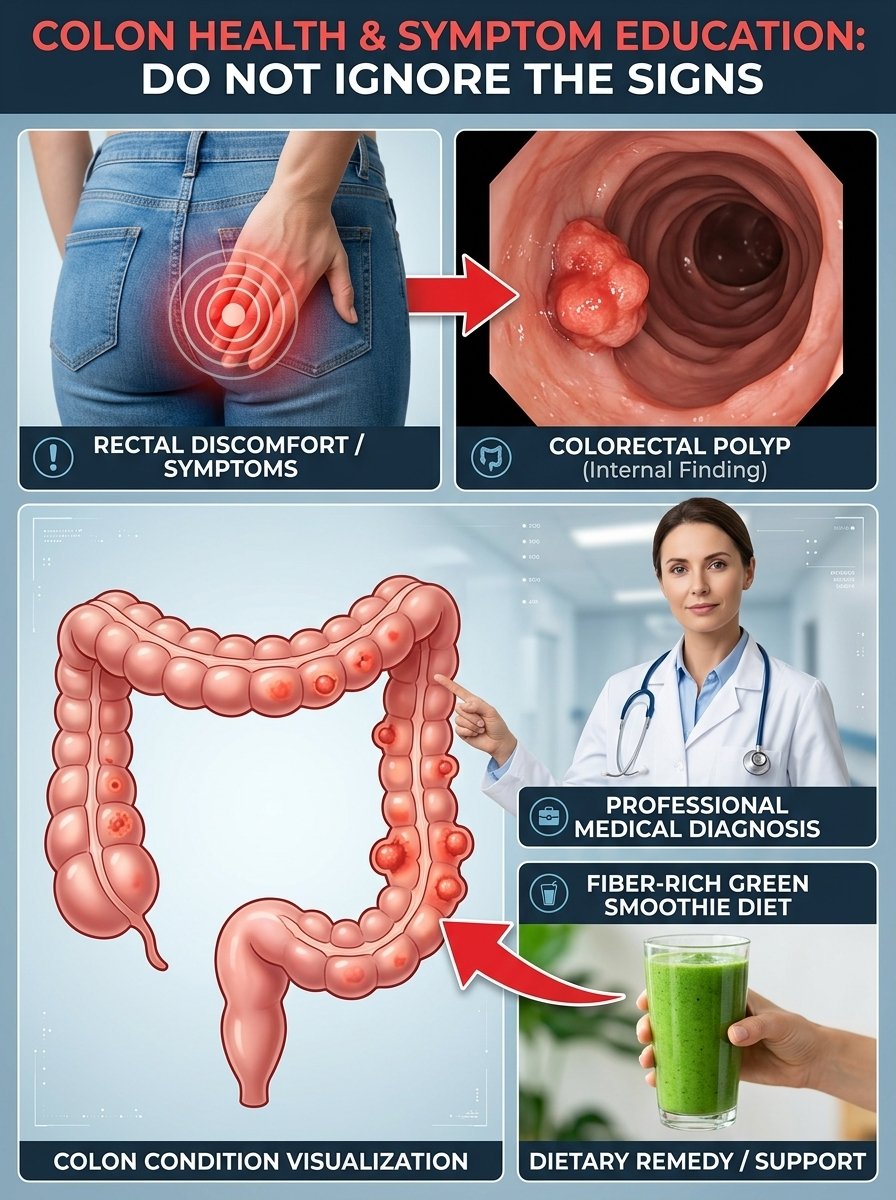
The good news is that you don’t need complicated treatments to care for your colon. Small daily habits can make a significant difference over time. Below are 17 natural habits that help maintain a healthy colon in a simple and effective way.
1. Increase fiber intake
Fiber is essential for healthy digestion. It adds bulk to stool and helps it move more easily through the colon. Fruits, vegetables, oats, whole grains, and legumes are excellent sources.
2. Eat fruits daily
Apples, pears, bananas, and berries support bowel regularity thanks to their fiber and water content.
3. Add more green vegetables
Spinach, broccoli, and kale are rich in fiber and nutrients that promote intestinal health.
4. Choose whole grains
Replacing white bread with whole grain or refined rice with brown rice helps keep the digestive system active.
5. Drink enough water
Proper hydration prevents constipation and supports natural waste elimination.
6. Include probiotics
Yogurt, kefir, and fermented foods help balance gut bacteria.
7. Exercise regularly
Walking, running, or light movement stimulates bowel function and improves colon motility.
8. Avoid a sedentary lifestyle
Long periods of sitting can slow digestion. Regular movement breaks are helpful.
9. Manage stress
Stress directly affects digestion. Techniques like deep breathing and meditation help balance the gut.
10. Eat prunes
Prunes naturally support bowel regularity due to their fiber and natural compounds.
11. Add flaxseeds
Rich in fiber, flaxseeds help improve digestion and ease bowel movements.
12. Reduce processed foods
Ultra-processed foods are low in fiber and can harm gut balance.
13. Chew food thoroughly
Proper chewing improves digestion and reduces strain on the colon.
14. Eat balanced meals
Avoid overeating and choose moderate portions to support digestive efficiency.
15. Prioritize quality sleep
Good sleep helps regulate hormones and digestive processes.
16. Establish a bowel routine
Going to the toilet at a regular time helps train your body’s natural rhythm.
17. Maintain a balanced lifestyle
A combination of healthy eating, hydration, movement, and rest is key to long-term colon health.
Conclusion
Colon health is not about quick fixes or harsh cleanses, but consistent daily habits. When you maintain a balanced lifestyle with fiber-rich foods, hydration, physical activity, and natural nutrition, your digestive system works more efficiently and comfortably.
Small changes today can lead to significant long-term benefits.