 By admin
 ⚠️ Foamy urine, swelling, fatigue — your body may already be warning you about kidney damage!
The kidneys are vital organs responsible for filtering the blood, removing toxins, and maintaining fluid and mineral balance in the body. The problem is that when kidney function begins to decline, symptoms are often not obvious in the early stages. As a result, kidney disease can progress silently until it reaches severe conditions.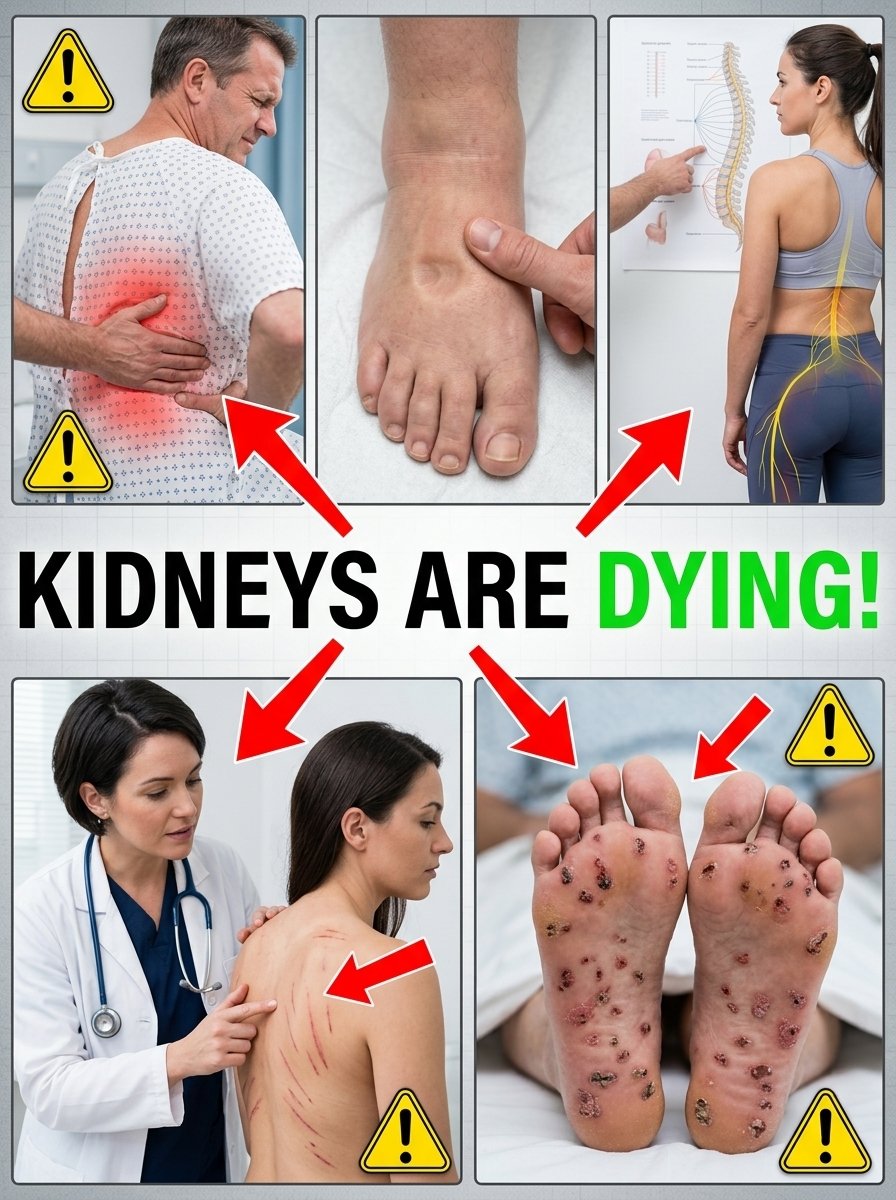
Recognizing early warning signs is essential to prevent complications such as kidney failure, high blood pressure, and even dialysis.
Below are 15 important warning signs that may indicate kidney problems:
1. Persistent foamy urine
Foamy urine may indicate protein leakage, one of the early signs of kidney damage.
2. Blood in urine
Red or dark-colored urine may signal kidney filter damage or infection.
3. Frequent urination, especially at night
Waking up multiple times to urinate can indicate reduced kidney function.
4. Decreased urine output
Producing less urine may mean the kidneys are not filtering properly.
5. Swelling in feet, ankles, or face
Fluid retention happens when the kidneys cannot remove excess sodium and water.
6. Constant fatigue
Toxin buildup in the blood can cause extreme tiredness and low energy.
7. Difficulty concentrating
Waste accumulation may affect brain function and mental clarity.
8. Loss of appetite
Toxin buildup can reduce hunger and food intake.
9. Nausea and vomiting
Excess waste in the blood can lead to frequent nausea.
10. Itchy skin
Mineral imbalance and toxin buildup can cause skin irritation.
11. Muscle cramps
Electrolyte imbalances such as calcium and potassium may cause spasms.
12. High blood pressure
The kidneys play a key role in regulating blood pressure.
13. Shortness of breath
Fluid buildup can affect the lungs and make breathing difficult.
14. Metallic taste or bad breath
Toxin retention may alter taste and breath odor.
15. Swelling around the eyes
One of the early signs linked to protein loss in urine.
Why do these symptoms occur?
When kidneys lose their ability to properly filter the blood, waste and fluid accumulate in the body. This affects multiple systems and leads to symptoms that may seem common but can hide serious kidney problems.
Many people only discover kidney disease through blood and urine tests when the condition has already progressed. That is why early detection is extremely important.
Who should be more careful?
Higher-risk groups include:
- People with diabetes
- People with high blood pressure
- Those with a family history of kidney disease
- Older adults
- People with obesity
How to protect kidney health
- Stay well hydrated
- Reduce salt intake
- Avoid excessive use of anti-inflammatory drugs
- Control blood sugar and blood pressure
- Get regular health check-ups
Conclusion
Kidney disease often develops silently without clear early symptoms. Any changes in urination, energy levels, or body function should be taken seriously. Early detection can significantly reduce the risk of severe complications.
Simple blood and urine tests can help evaluate kidney function and support timely treatment.