 By admin
 ⚠️ Your kidneys may be silently failing because of the WRONG protein choices you eat every day… Discover the 4 powerful proteins that help protect kidneys and the 6 hidden dangers destroying them from within!
When people think about kidney health, they often focus on salt, sugar, or drinking enough water. But one of the biggest hidden factors behind kidney damage is protein. The truth is that protein can either nourish your kidneys or quietly overload them, depending on the type and amount you consume.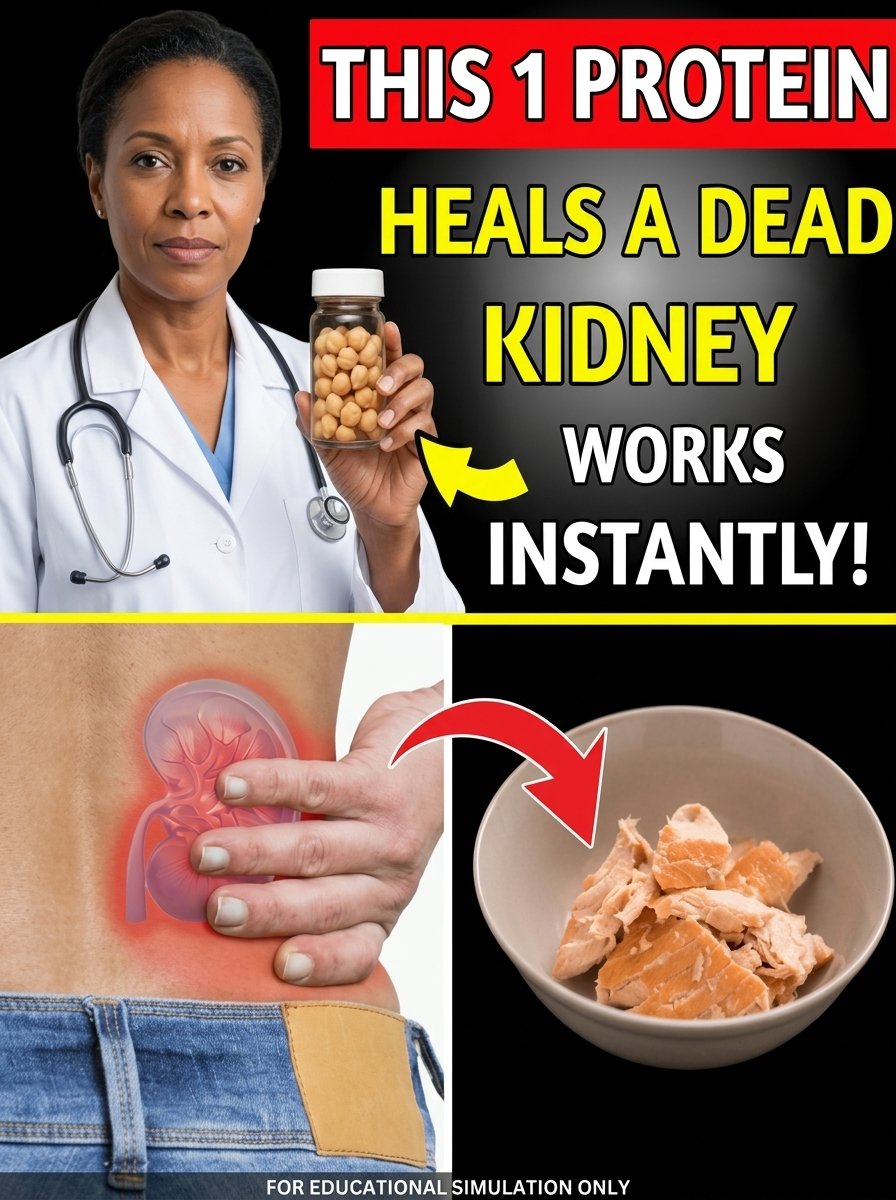
Your kidneys work like natural filters. Every time you eat protein, your body breaks it down and creates waste products that the kidneys must remove. Healthy kidneys can usually handle this process well, but damaged or aging kidneys may struggle under the pressure. Over time, the wrong protein choices can increase inflammation, worsen blood pressure, and accelerate kidney decline.
The good news is that not all proteins affect the body the same way. Some support muscle strength while being gentler on the kidneys, while others may increase strain and metabolic waste.
The 4 Proteins That May Support Kidney Health
1. Fish Rich in Omega-3 Fatty Acids
Fish such as salmon, sardines, trout, and sea bass provide high-quality protein together with omega-3 fats that may reduce inflammation and support heart health. Since heart disease and kidney disease are closely connected, these fish can offer dual protection.
Compared with processed red meats, fish generally produces less inflammatory stress in the body. Moderate portions are usually recommended rather than oversized servings.
2. Egg Whites
Egg whites are often considered one of the most kidney-friendly animal proteins. They provide excellent amino acids with much lower phosphorus levels than whole eggs.
For people with chronic kidney disease, controlling phosphorus intake can become extremely important because excess phosphorus may weaken bones and damage blood vessels. Egg whites offer protein without the same mineral burden.
3. Plant-Based Proteins
Beans, lentils, tofu, quinoa, and certain nuts can be excellent protein choices when eaten in balanced amounts. Plant proteins are often easier on the kidneys because they create less acid load and contain fiber and antioxidants that support overall health.
Many kidney specialists now encourage patients to replace part of their animal protein intake with plant sources. Research suggests that diets rich in plant proteins may help slow the progression of chronic kidney disease in some individuals.
However, people with advanced kidney disease should still monitor potassium and phosphorus levels carefully when choosing plant foods.
4. Skinless Chicken and Turkey
Lean poultry offers high-quality protein with less saturated fat than many cuts of red meat. Baking, grilling, or steaming chicken is far healthier than frying or heavily seasoning it with sodium-rich sauces.
For people trying to preserve kidney function, portion control matters just as much as the protein source itself. A moderate serving is often safer than oversized “high-protein” meals.
The 6 Proteins That May Quietly Damage Kidneys
1. Processed Meats
Bacon, sausage, hot dogs, deli meats, and canned meats are among the worst protein choices for kidney health. These foods are loaded with sodium, preservatives, and phosphorus additives.
Excess sodium can raise blood pressure — one of the leading causes of kidney damage — while phosphorus additives are absorbed rapidly by the body and may worsen kidney stress.
2. Excessive Red Meat
Beef, lamb, and pork are not automatically dangerous, but frequent large portions may increase kidney workload over time. Red meat can produce more acid and metabolic waste compared with many plant proteins.
Some studies have linked heavy red meat intake with a higher risk of kidney decline, especially in people already living with diabetes or hypertension.
3. Protein Powders and High-Protein Supplements
Modern fitness culture often promotes massive protein intake through powders, bars, and shakes. But many people consume far more protein than their bodies actually need.
For individuals with kidney disease — or even early kidney stress — excessive protein supplementation may increase filtration pressure inside the kidneys. Some supplements also contain hidden additives, artificial sweeteners, or minerals that are difficult for compromised kidneys to process.
4. Fried Chicken and Fast-Food Proteins
Deep-fried meats combine several kidney stressors at once: unhealthy fats, excess sodium, refined oils, and processed coatings.
Frequent fast-food meals are strongly associated with obesity, diabetes, and high blood pressure, all of which increase the risk of chronic kidney disease.
5. Organ Meats
Liver, kidney, and other organ meats are extremely rich in purines and certain minerals. While they contain nutrients, they may not be ideal for people with kidney disease or gout risk.
These foods can increase uric acid levels and place additional metabolic pressure on the kidneys.
6. Extremely High-Protein Diets
Even healthy kidneys can become strained under long-term extreme high-protein eating patterns. Many trendy diets encourage protein intake far above recommended levels.
Experts generally agree that people with existing kidney disease should avoid excessive protein intake unless specifically advised otherwise by a doctor or renal dietitian.
That does not mean protein is harmful by itself. The key is balance. Too little protein can weaken muscles and immunity, while too much can overload the kidneys.
What Kidney Patients Should Remember
Protecting your kidneys is not about eliminating protein completely. Your body still needs protein to repair tissues, maintain muscles, and support the immune system. The goal is choosing smarter sources and eating the right amount for your condition.
In general, kidney-friendly eating patterns emphasize:
- Moderate portions instead of oversized servings
- More plant-based protein choices
- Less processed and heavily salted meats
- Lean, minimally processed animal proteins
- Better blood sugar and blood pressure control
- Staying hydrated without overdoing fluids
Every kidney patient is different. Someone on dialysis may actually require more protein, while a person with early-stage chronic kidney disease may need less. Age, diabetes, blood pressure, and lab results all matter.
The smartest approach is not following internet diet trends, but building a sustainable eating pattern that reduces stress on the kidneys while keeping the body strong and nourished.