 By admin
 Ancient herbs hidden in your kitchen may naturally support healthy blood pressure and stronger arteries—without you even realizing it.
High blood pressure is often called a “silent condition” because it can develop without obvious symptoms for years while still putting strain on the heart and blood vessels. Alongside medical care and lifestyle changes, many traditional herbal remedies have been used for centuries to support circulation, heart function, and vascular health. Some of these herbs are now being studied for their potential role in helping the body maintain healthier blood pressure levels and improved arterial flexibility.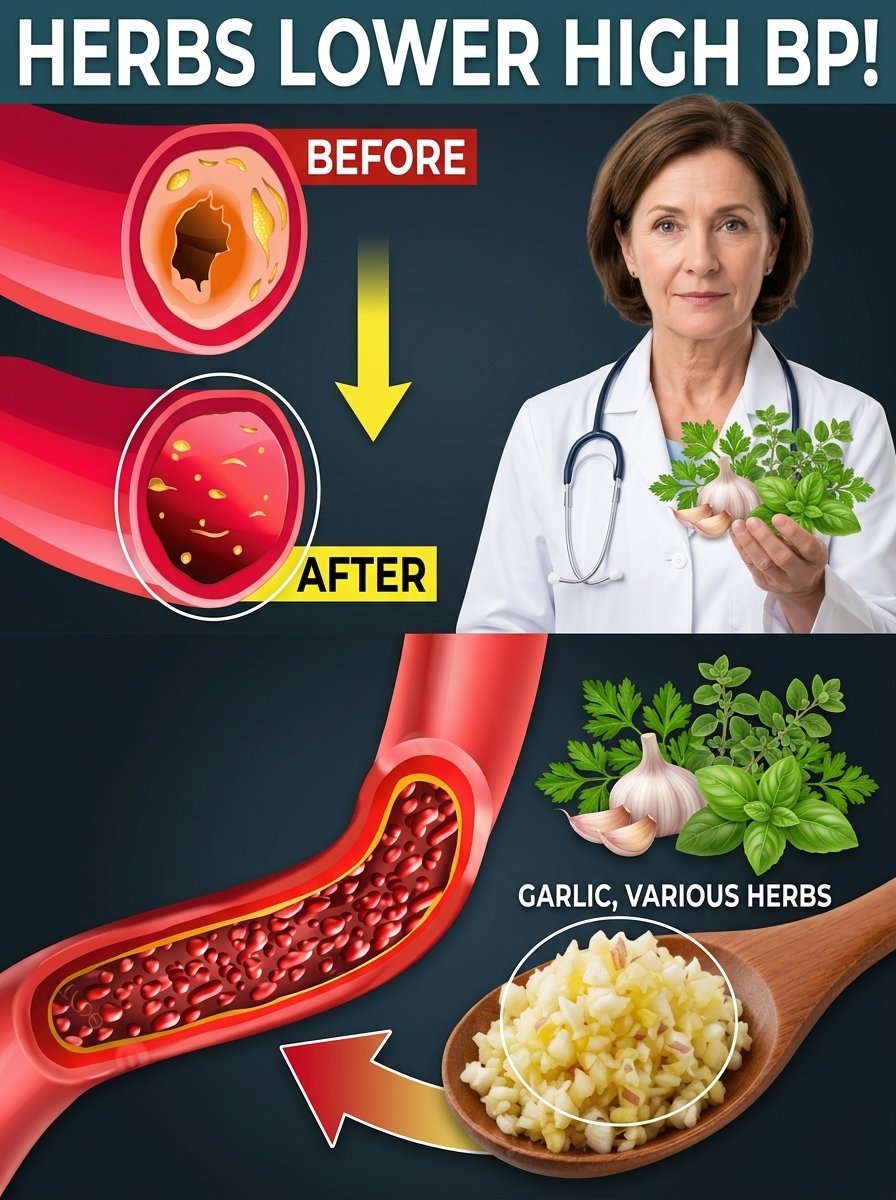
Below are three ancient herbs that are commonly discussed in traditional medicine systems and modern herbal research for their possible cardiovascular benefits.
1. Garlic – The Ancient Heart Protector
Garlic has been used for thousands of years in traditional healing systems across Asia, Europe, and the Middle East. It is widely regarded as one of the most powerful natural foods for heart and blood vessel support.
The key active compound in garlic is allicin, which is released when garlic is crushed or chopped. This compound is believed to help relax blood vessels and improve blood flow, reducing the pressure placed on arterial walls. Some research suggests that regular intake of garlic may contribute to modest reductions in both systolic and diastolic blood pressure, especially in people with elevated levels.
Garlic may also support cardiovascular health by helping reduce oxidative stress and improving overall circulation. In traditional use, it is often consumed raw, lightly crushed, or in aged extract form to maximize its active compounds.
Over time, garlic has earned a reputation as a simple yet powerful dietary addition for those looking to support heart health naturally.
2. Hibiscus – The Red Flower of Circulation
Hibiscus, often consumed as a deep red herbal tea, has been used in traditional medicine systems in Africa, Asia, and the Caribbean for generations. It is especially valued for its refreshing taste and potential blood pressure–supporting effects.
Hibiscus is rich in antioxidants called anthocyanins, which may help protect blood vessels from damage caused by oxidative stress. It is also thought to have mild diuretic properties, meaning it may help the body remove excess fluid, which can reduce strain on the cardiovascular system.
Several studies suggest that drinking hibiscus tea regularly may help support healthier blood pressure readings in people with mild to moderate hypertension. Its effects are often linked to improved blood vessel relaxation and enhanced circulation efficiency.
Traditionally, hibiscus is consumed as a warm or cold tea, sometimes taken daily as part of a heart-conscious diet.
3. Celery Seed – A Traditional “Artery Support” Remedy
Celery seed has a long history of use in traditional herbal medicine, particularly in Chinese and Ayurvedic practices. It is considered a warming spice with strong effects on circulation and fluid balance.
One of its most important compounds is 3-n-butylphthalide (3nB), which is believed to help relax the tissues of blood vessel walls. This may support better blood flow and reduce resistance within the arteries.
Celery seed is also known for its mild diuretic action, which can help the body eliminate excess sodium and fluid—two factors closely linked to elevated blood pressure. Some early studies suggest it may act in a way similar to natural calcium-channel support, helping blood vessels stay more relaxed.
It is commonly used in teas, extracts, or as a powdered spice added to food.
Supporting Blood Pressure Naturally
While herbs like garlic, hibiscus, and celery seed have a long history of traditional use and promising early research, they are not standalone treatments for hypertension. Their potential benefits are best seen as part of a broader lifestyle approach that includes:
- A balanced, nutrient-rich diet
- Regular physical activity
- Stress management
- Adequate sleep
- Medical monitoring when needed
Herbs may gently support circulation and vascular health, but consistent lifestyle habits remain the foundation of long-term cardiovascular well-being.
Conclusion
Ancient herbal traditions have long recognized the importance of circulation and heart health. Garlic, hibiscus, and celery seed stand out as three widely used natural remedies that may support healthier blood pressure and vascular function.
While modern research continues to explore their exact effects, these herbs remain popular additions to heart-conscious diets around the world—valued for both their nutritional properties and their long history of traditional use.