 By admin
 Constant fatigue, swollen feet, dark urine? These may not be “normal aging” — they could be early warning signs your kidneys are struggling. The shocking daily habits behind silent kidney damage revealed.
Your kidneys are two of the hardest-working organs in the body, filtering waste, balancing fluids, regulating blood pressure, and keeping your internal chemistry stable. The problem is that kidney damage often develops quietly, without obvious warning signs, until a large portion of function is already lost.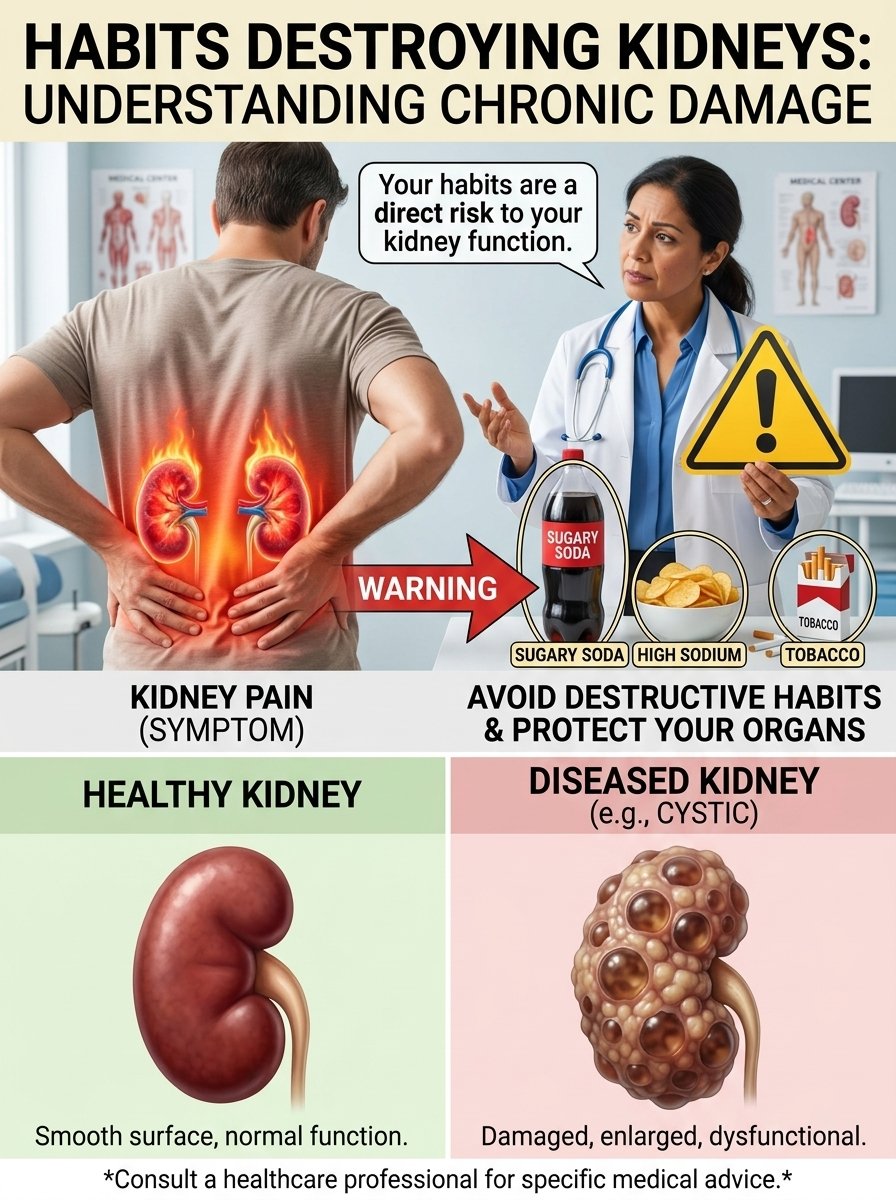
Research shows that conditions like chronic kidney disease (CKD) can progress silently for years, and lifestyle habits play a major role alongside medical conditions such as diabetes and high blood pressure . What makes this especially dangerous is that many everyday routines feel harmless but gradually place stress on these vital organs.
Below are 12 common “silent” habits that may slowly harm your kidneys over time.
1. Not drinking enough water
Chronic dehydration forces your kidneys to work harder to concentrate urine and remove waste. Over time, this can increase the risk of kidney stones and reduced filtration efficiency.
2. Drinking too much water at once (especially before bed)
While hydration is important, drinking large amounts in a short time—especially late at night—can overload the kidneys and disrupt their natural rhythm during rest.
3. Frequently holding in urine
Delaying urination repeatedly increases pressure in the urinary tract and bladder. This can encourage bacterial growth and infections that may eventually reach the kidneys, leading to inflammation or scarring .
4. Overusing painkillers
Common medications like NSAIDs (ibuprofen, naproxen) can reduce blood flow to the kidneys when used too often. Long-term misuse is a known risk factor for kidney damage .
5. Eating too much salt
High sodium intake raises blood pressure, which is one of the leading causes of kidney damage. Over time, this pressure damages the delicate filtering units inside the kidneys .
6. Consuming heavily processed foods
Packaged and fast foods often contain high sodium, sugar, preservatives, and unhealthy fats. Regular consumption is linked to higher risk of kidney disease due to long-term metabolic strain .
7. Excessive sugar intake
High sugar consumption contributes to obesity and diabetes, two major causes of kidney disease. Over time, elevated blood sugar damages kidney blood vessels and reduces filtering ability.
8. High-protein diets without balance
Too much protein, especially from red and processed meats, can increase kidney workload. In vulnerable individuals, this may accelerate kidney stress and decline.
9. Poor sleep habits
Sleep is when the body repairs itself. Chronic lack of sleep increases blood pressure and inflammation, both of which negatively affect kidney health over time .
10. Sedentary lifestyle
Lack of physical activity contributes to obesity, diabetes, and hypertension—all major risk factors for kidney disease. Regular movement supports healthy circulation and kidney function.
11. Smoking and alcohol consumption
Smoking reduces blood flow to the kidneys, while excessive alcohol increases dehydration and toxin load. Both habits accelerate long-term kidney damage.
12. Ignoring medical check-ups
Many kidney issues develop without symptoms. Without regular blood and urine tests, early signs of damage can go unnoticed until the condition becomes severe.
Why kidney damage is often missed
Kidneys are often called “silent organs” because they rarely show pain even when injured. Damage can progress slowly over years before symptoms like fatigue, swelling, or changes in urination appear. In fact, millions of people worldwide live with kidney disease without knowing it until late stages .
Early warning signs to watch for
Even though early damage is silent, some subtle signals may include:
- Persistent fatigue
- Swelling in feet or face
- Foamy or dark urine
- Frequent urination changes
- Lower back discomfort
Simple ways to protect your kidneys
You don’t need extreme changes—small consistent habits make the biggest difference:
- Drink water steadily throughout the day
- Reduce salt and processed foods
- Avoid overusing painkillers
- Exercise regularly
- Sleep 7–8 hours per night
- Get routine health check-ups
Final thoughts
Kidney health doesn’t usually fail suddenly—it declines quietly over time due to repeated daily stress. The challenge is that most people only realize the problem when damage is already advanced. By adjusting simple habits early, you can significantly reduce long-term risk and support your kidneys in doing their essential job for decades.