 By Trung Pham
 Unmasking Tonsil Stones: The Surprising Culprit Behind Persistent Bad Breath
That sudden, unpleasant odor, often accompanied by a small, firm white or yellowish particle coughed up, can be both embarrassing and unsettling. These mysterious lumps frequently lead to a persistent bad breath that seems immune to regular brushing or mouthwash, leaving you feeling self-conscious in social settings. Many individuals grapple with this frustrating issue without realizing it’s a common condition known as tonsil stones. But what if gaining a clearer understanding of tonsil stones could empower you to address the accompanying halitosis and discomfort more effectively? Continue reading to uncover their true nature and explore gentle strategies for promoting better oral well-being.
😷 What Exactly Are Tonsil Stones and Why Do They Form?
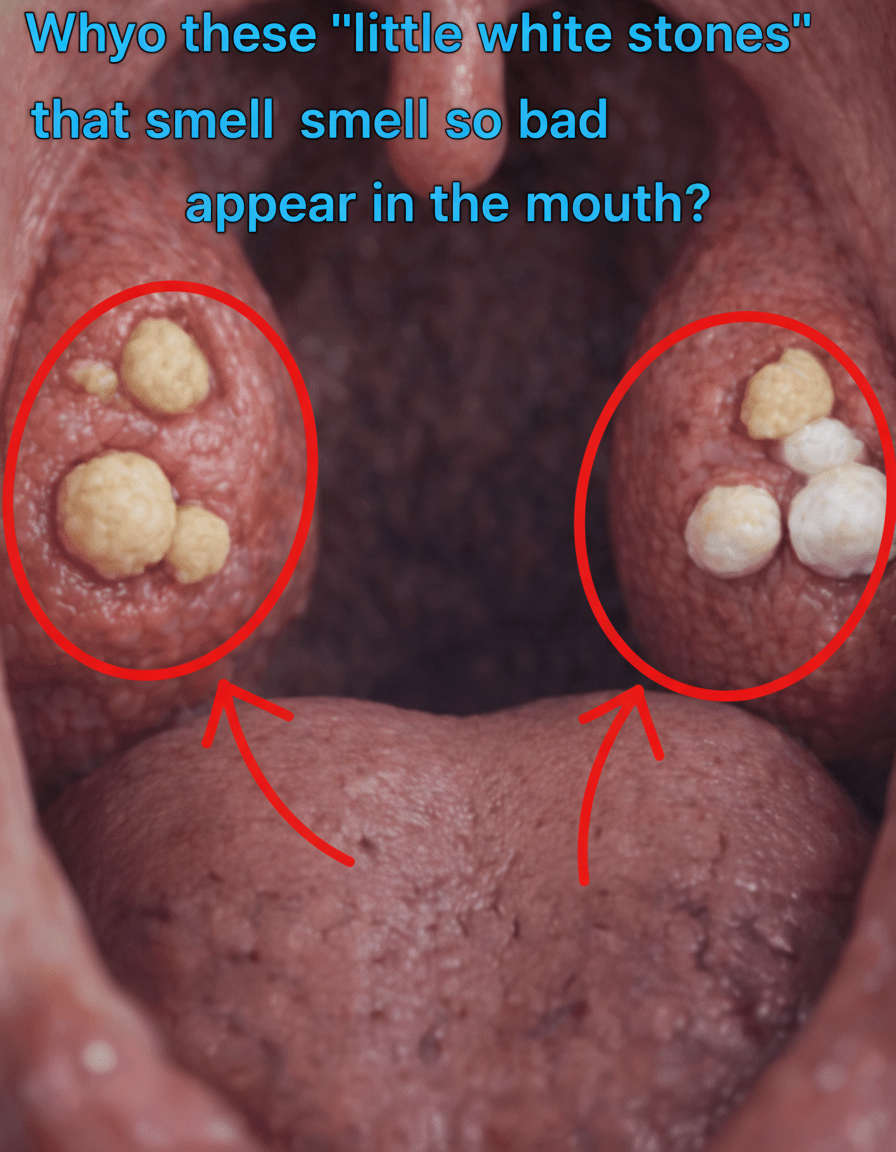
Tonsil stones, medically termed tonsilloliths, are small, solidified deposits that develop within the natural indentations, or crypts, of your tonsils. These tiny pockets can become traps for various substances, including microscopic food particles, dead cells, mucus, and bacteria. Over time, this accumulated debris can harden, forming the characteristic tonsil stones. As noted by reputable health organizations like Cleveland Clinic and WebMD, tonsilloliths emerge when this trapped material combines with minerals, particularly calcium, from your saliva, leading to calcification. This process is often more prevalent in individuals with deeper tonsil crypts or a history of recurrent tonsillitis, which can contribute to the repeated formation of these stones. The vexing aspect? Even with meticulous oral hygiene, tonsil stones can still manifest, causing ongoing concerns about unpleasant breath and throat irritation.
Imagine a simple illustration showing how tiny particles gather and solidify within the tonsil’s nooks and crannies, forming these stones.
While many only become aware of tonsil stones when they become dislodged, they can silently contribute to discomfort and persistent odor.
🤢 Why Tonsil Stones Cause Such Noticeable Bad Breath
The potent, offensive smell emanating from tonsil stones originates from the anaerobic bacteria thriving within them. These bacteria break down the trapped organic matter, releasing volatile sulfur compounds (VSCs)—the very gases responsible for the strong, disagreeable odors associated with severe bad breath. Research, including studies cited on WebMD and in various medical journals, consistently identifies these compounds as a primary factor linking tonsil stones to halitosis that persists even after diligent oral care. It’s particularly bothersome because even a single, small tonsil stone can continuously emit these malodorous gases for hours, significantly impacting one’s confidence throughout the day.
Visualizing close-up images of tonsil stones helps clarify their porous structure, which effectively harbors odor-producing bacteria.
The encouraging news is that addressing tonsil stones through gentle methods can often alleviate this persistent issue.
⚠️ Common Signs You Might Have Tonsil Stones
Even when not visibly apparent, tonsil stones can manifest through subtle or distinct symptoms that affect daily comfort and confidence. Drawing insights from sources like Healthline and Cleveland Clinic, here are some frequently reported indicators associated with tonsil stones:
- Persistent Halitosis: Bad breath that doesn’t improve with regular brushing or mouthwash.
- Unusual Taste: A metallic or generally unpleasant sensation in the back of the throat.
- Throat Discomfort: A feeling of something being caught in the throat, leading to frequent throat clearing.
- Visible Deposits: Small white or yellowish spots or lumps visible on the tonsils.
- Referred Ear Pain: Occasional discomfort in the ear, stemming from shared nerve pathways.
- Throat Irritation: Mild swelling, soreness, or recurring irritation in the throat.
- Coughing Up Lumps: Expelling small, hard, often foul-smelling particles.
- Swallowing Difficulty: A sensation of obstruction or mild discomfort when swallowing.
These symptoms, especially the ongoing concern of bad breath, can make tonsil stones particularly disruptive. Furthermore, certain factors can increase an individual’s susceptibility to developing them.
👥 Who Is More Likely to Develop Tonsil Stones?
While tonsil stones can affect anyone, some individuals are more predisposed due to anatomical features or lifestyle habits. Common risk factors include:
- Tonsil Anatomy: Having deeper or “cryptic” tonsils with more pronounced crevices where debris can easily accumulate.
- Post-Nasal Drip: Experiencing chronic post-nasal drip or sinus issues, which can provide a continuous source of mucus and bacteria.
- History of Tonsillitis: Frequent bouts of tonsillitis (inflammation of the tonsils) can enlarge crypts and increase susceptibility.
- Dry Mouth: Conditions causing dry mouth, whether from dehydration or certain medications, can reduce saliva flow needed to wash away debris.
Teenagers and young adults frequently observe tonsil stones more often, as tonsils tend to be larger and more active during these developmental years. The reality is, tonsil stones can appear unexpectedly in anyone, adding to the frustration of unexplained bad breath.
🧂 Safe Home Approaches to Support Tonsil Stone Management
Many individuals find significant relief through consistent, gentle daily practices designed to help dislodge or naturally reduce the formation of tonsil stones. These methods focus on maintaining optimal oral hygiene and preventing debris accumulation.
Gentle Removal When Visible
For tonsil stones that are clearly visible and accessible:
- Careful Dislodgement: Using a clean cotton swab, apply very light, gentle pressure around the stone to carefully dislodge it. Avoid aggressive poking or scraping, which can cause irritation.
- Follow-up Gargle: Immediately after, perform a vigorous gargle with warm salt water to cleanse the area and flush out any remaining debris.
Daily Habits to Help Prevent Tonsil Stones
Consistency with the following steps can significantly reduce the likelihood of tonsil stone formation and recurrence:
- Warm Salt Water Gargle: Make it a nightly routine to gargle with warm salt water. This helps to dislodge food particles, soothe the throat, and create an environment less hospitable to bacteria. Medical sources, such as Medical News Today, affirm the efficacy of salt water gargles in loosening debris.
- Gentle Water Flossing: Use a water flosser on its lowest setting to gently irrigate the tonsil area. This can effectively flush out trapped debris without causing irritation.
- Optimal Hydration: Maintain excellent hydration throughout the day to prevent dry mouth, which can contribute to debris accumulation.
- Comprehensive Oral Care: Incorporate regular tongue cleaning and, if applicable, nasal care (e.g., saline rinses for post-nasal drip) into your routine to reduce bacteria and mucus.
Visualize a person gently gargling with warm salt water, demonstrating the simple yet effective technique.
And another image showing the careful use of a water flosser, directing a gentle stream towards the tonsils.
🌿 Optional Natural Additions Some Find Helpful for Tonsil Stones
While the original content provided only the heading for this section, many individuals explore natural adjuncts for managing tonsil stones. These often include specific herbal rinses or dietary considerations aimed at further reducing bacterial growth and inflammation. Always consult with a healthcare professional before integrating new remedies, especially if you have underlying health conditions.