 By admin
 Struggling with blood pressure despite taking your medication? These 12 hidden triggers may be blocking your heart from healing properly.
Have you ever taken your blood pressure pill in the morning and felt dizzy, swollen, or unusually tired later in the day—without knowing why? You’re trying to protect your heart, yet something still feels off.
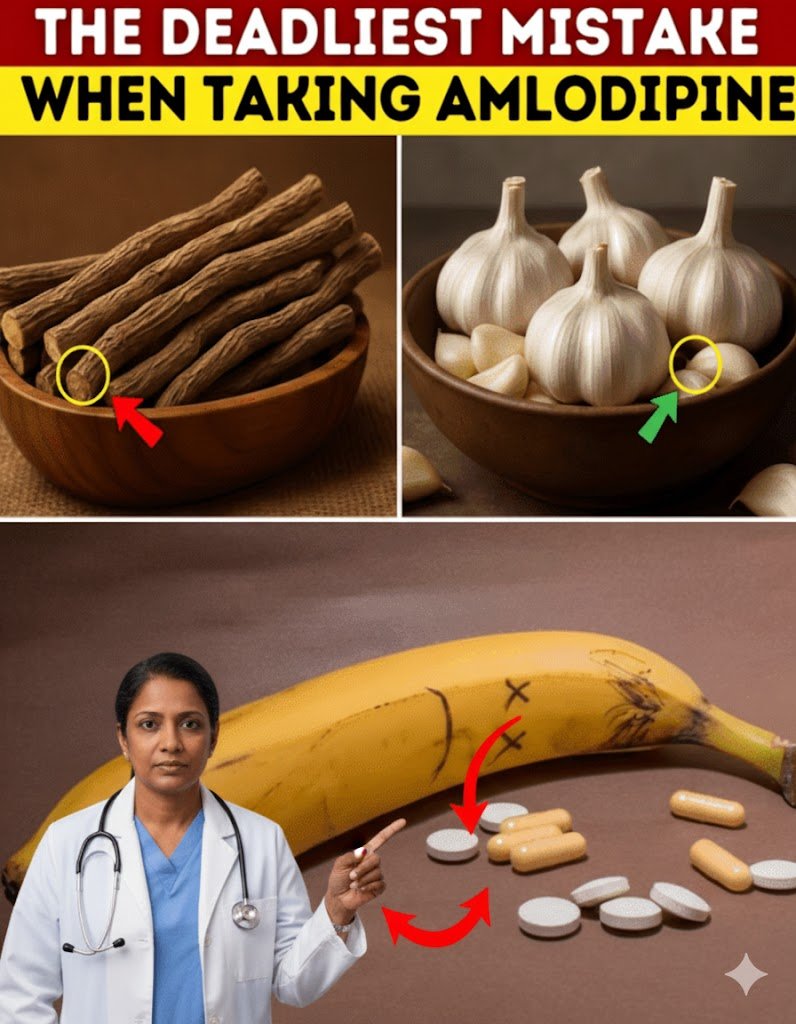
What if the problem isn’t the medication itself… but what you’re mixing it with?
If you take amlodipine, this guide could protect you from hidden interactions that may increase side effects or reduce its effectiveness. Read carefully to the end—you might discover a simple change that makes a powerful difference in how you feel.
Why Amlodipine Interactions Matter
Amlodipine is a calcium channel blocker that relaxes blood vessels, helping to lower blood pressure and reduce strain on the heart. While effective, its action can be intensified—or weakened—by certain foods, drinks, supplements, and medications.
These interactions may lead to:
-
Excessive drops in blood pressure
-
Swelling in the legs or ankles
-
Fatigue or dizziness
-
Heart rhythm changes
-
Reduced blood pressure control
Here are 12 things you should be cautious about:
1. Grapefruit
Grapefruit interferes with the enzyme (CYP3A4) that breaks down amlodipine. This can raise drug levels in the bloodstream and increase the risk of dizziness or low blood pressure.
Safer option: Choose oranges or other citrus fruits instead.
2. Grapefruit Juice
Even more concentrated than the fruit itself, grapefruit juice can significantly intensify amlodipine’s effects.
If you regularly drink citrus juice, double-check the label.
3. Certain Antibiotics (like erythromycin or clarithromycin)
Some antibiotics slow amlodipine metabolism, increasing its strength and side effects.
Always inform your doctor you’re taking amlodipine before starting antibiotics.
4. Alcohol
Alcohol also relaxes blood vessels. When combined with amlodipine, it may cause excessive dizziness, fainting, or weakness.
Tip: If you drink, keep it minimal and monitor how you feel.
5. High-Sodium Foods
Processed foods, canned soups, and salty snacks can counteract amlodipine’s blood pressure-lowering effects.
Aim for: Less than 1,500 mg sodium per day if possible.
6. High-Potassium Foods (in excess)
While potassium is healthy, too much—especially if kidney function is reduced—can create imbalance. Bananas, coconut water, and potassium supplements should be consumed thoughtfully.
Discuss potassium intake with your healthcare provider.
7. St. John’s Wort
This herbal supplement speeds up drug metabolism, potentially reducing amlodipine’s effectiveness and making blood pressure harder to control.
Natural doesn’t always mean harmless—always disclose supplements.
8. NSAIDs (Ibuprofen, Naproxen)
These common pain relievers may reduce the blood pressure-lowering effect of amlodipine and strain kidney function when used frequently.
Use cautiously and avoid long-term self-medication.
9. Simvastatin (High Doses)
When combined with amlodipine, high doses of simvastatin may increase the risk of muscle pain or damage.
Doctors often limit simvastatin dosage in people taking amlodipine.
10. Caffeine
Coffee and energy drinks may cause temporary blood pressure fluctuations and heart palpitations in sensitive individuals.
If you feel jittery, try switching to decaf and observe changes.
11. Other Blood Pressure Medications
Combining amlodipine with other BP-lowering drugs can sometimes cause excessive drops in blood pressure.
This combination must always be supervised by a healthcare provider.
12. Smoking
Smoking constricts blood vessels—the opposite of what amlodipine is designed to do. It reduces the medication’s effectiveness and increases cardiovascular risk.
Quitting smoking may dramatically improve treatment results.
The Bigger Picture
The common thread here is awareness. Many people experience side effects not because the medication is “bad,” but because of overlooked interactions.
Imagine 30 days from now:
-
Less swelling
-
More stable energy
-
Fewer dizzy spells
-
Better blood pressure readings
Small adjustments can lead to big improvements.
Smart Habits for Safer Use
✔ Review all medications and supplements with your doctor or pharmacist
✔ Keep a simple food diary
✔ Limit sodium
✔ Stay hydrated
✔ Monitor your blood pressure regularly
Final Thought
Amlodipine can be a powerful tool for protecting your heart—but only when used wisely. Take a few minutes today to review your diet, supplements, and medications. That small step could help you feel steadier, safer, and more in control of your health.
Your heart works hard for you every day. Make sure everything you pair with your medication supports it—not sabotages it.