 By Trung Pham
 The quest for flawlessly smooth skin, free from unwanted hair, is a common desire for many. Whether it’s on the face, body, or more delicate areas, the persistent cycle of hair growth can be a source of constant frustration. Traditional methods like shaving often lead to rapid regrowth and razor bumps, while waxing can be painful and irritating. It’s no surprise, then, that countless individuals seek out natural, at-home solutions promising effortless, long-lasting hair removal.
However, it’s crucial to distinguish between wishful thinking and scientific fact. While certain natural remedies might offer temporary hair removal or potentially influence regrowth patterns over extended periods, no home-based solution can deliver truly permanent results. Leading health authorities, including Healthline and Medical News Today, consistently affirm that achieving genuine permanent hair reduction or removal typically necessitates professional treatments. In this comprehensive guide, we’ll delve into evidence-backed insights regarding popular natural hair removal methods, assess their potential benefits, and highlight vital safety precautions to empower you with informed choices on your journey to smoother skin.
🌿 The Ongoing Challenge of Unwanted Hair Growth
Dealing with unwanted hair often means a relentless cycle of routines that can disrupt daily life and impact self-confidence. From the discomfort of razor burn and ingrown hairs post-shaving to the irritation caused by other hair removal techniques, the struggle is real for many. This is particularly true for individuals with sensitive skin, where regrowth can lead to persistent annoyance and feelings of self-consciousness.
Scientific research indicates that hair growth is a complex process influenced by a combination of factors, including genetics, hormonal balance, and the overall health of hair follicles. While natural ingredients lack the capacity to permanently destroy hair follicles—a feat typically achieved by professional interventions—some traditional remedies may offer gentle exfoliation or, with diligent and consistent application, subtly affect hair growth patterns. The key to successful hair management lies in setting realistic expectations: prioritize safe, temporary smoothing solutions while understanding the limitations supported by scientific evidence.
🧴 Popular DIY Hair Removal Methods: Separating Truth from Hype
The internet is awash with viral recipes for natural hair removal, often promoting mixtures of common household items like powders, pastes, and exfoliants, all claiming quick, pain-free results. Let’s take a closer, evidence-based look at some of the most frequently discussed methods, reviewed by experts.
🪥 Toothpaste and Its Claims for Hair Removal
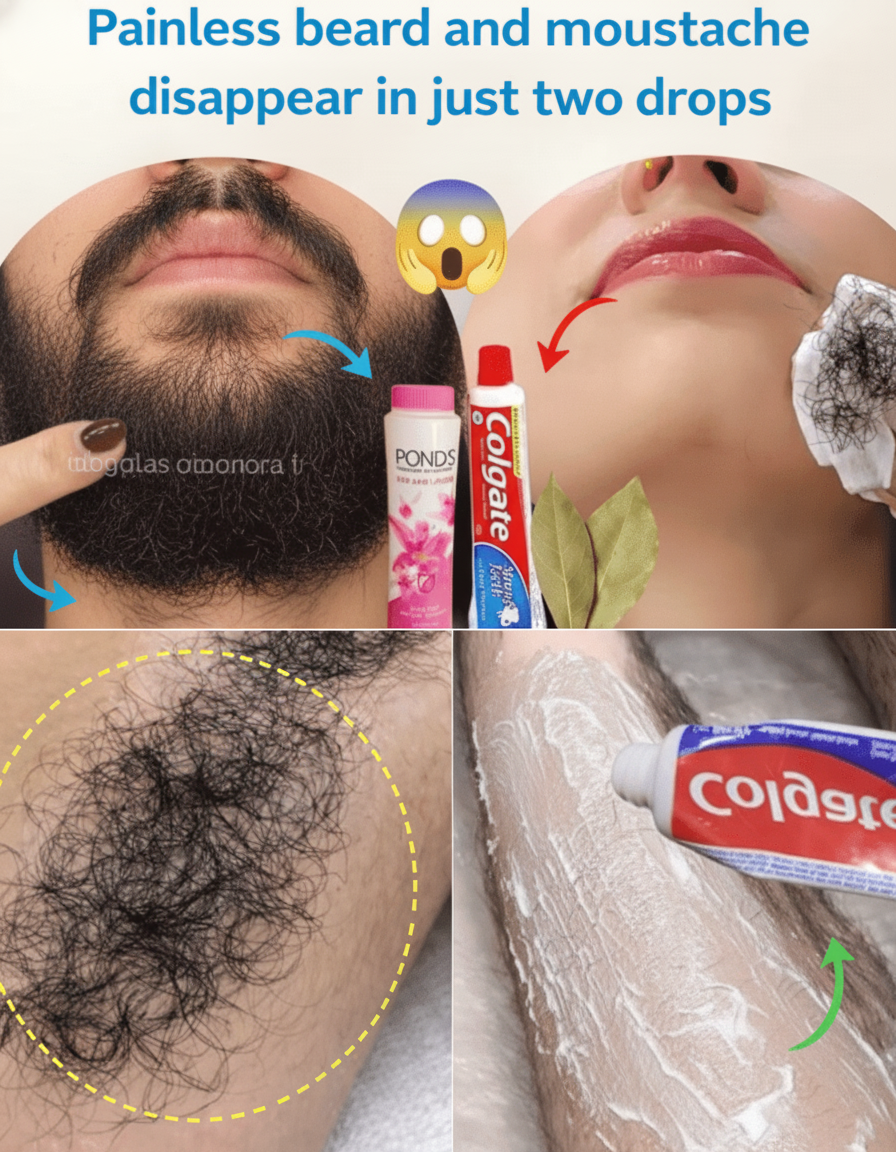
Certain online tutorials suggest combining toothpaste with various other ingredients, asserting its ability to dissolve unwanted hair. However, dermatologists universally caution against this practice, emphasizing that there is no scientific evidence whatsoever to support such claims. Furthermore, toothpaste’s highly alkaline pH is designed for oral hygiene, not skin. Applying it to the skin can severely disrupt its natural balance, potentially leading to dryness, redness, irritation, or even chemical burns. It’s unequivocally best to keep toothpaste where it belongs—on your teeth.
🍋 Turmeric and Gram Flour Pastes: A Traditional Approach
Traditional masks, often utilizing ingredients like turmeric, gram flour (also known as besan), or papaya, contain natural enzymes such as papain. These enzymes are believed to offer mild exfoliating properties and, anecdotally, some users report that consistent application over time may contribute to finer hair regrowth. While laboratory studies on papain have demonstrated depilatory effects, robust human evidence specifically proving its efficacy in significantly slowing hair growth remains limited. These pastes are generally considered gentler, making them a more suitable option for facial hair, but they do require considerable patience for any perceived benefits.
🍯 Sugaring: An Ancient, Natural Alternative to Waxing
Sugaring is an age-old hair removal technique that involves creating a natural paste from sugar, lemon juice, and water. This paste is applied to the skin and then swiftly removed, pulling hair directly from the root. Many individuals find sugaring to be less irritating than traditional waxing, and it’s often associated with a reduction in pain. While not a permanent solution, repeated use can potentially lead to slower and finer hair regrowth over time. It’s particularly effective for larger body areas like the legs and arms, with research supporting its gentler nature compared to conventional waxing methods.
🧼 Exfoliating Scrubs for Smoother Skin
Gentle exfoliating scrubs, whether made with sugar or other mild abrasive particles, can effectively remove surface hair and dead skin cells. This process instantly promotes a smoother skin texture and can help prevent ingrown hairs. While some proponents suggest that mixtures containing baking soda can reduce hair growth, experts caution against their use due to the significant risk of skin irritation without any scientifically proven benefits for hair reduction. For safe and effective exfoliation, it’s best to stick to mild, natural options like sugar-based scrubs.
⚠️ Crucial Safety Warnings for DIY Hair Removal
While the allure of at-home hair removal pastes and concoctions is understandable, it’s paramount to be aware of the potential risks, especially when applying them to sensitive areas such as the face, underarms, or bikini line. Potential complications can include:
- Skin irritation, redness, or even chemical burns, particularly from acidic ingredients like lemon juice.
- Allergic reactions or damage to the skin’s protective barrier.
- Increased risks when applied to delicate pubic areas, where the skin is thinner and more prone to adverse reactions—dermatologists frequently advise against using strong DIY mixtures in these zones.
Always perform a patch test on a small, inconspicuous area of skin at least 24-48 hours before full application. Discontinue use immediately if any discomfort, redness, or irritation occurs.
📊 Evidence-Based Solutions for Effective Hair Management
When considering hair removal, it’s essential to understand the varying effectiveness and longevity of different methods. Here’s a comparison of proven options, from temporary solutions to those offering genuine long-term reduction or permanent removal:
| Method | Duration of Results | Discomfort Level | Ideal Application | Key Considerations |
|---|---|---|---|---|
| Shaving | Short-term (daily/few days) | Minimal | Rapid surface hair removal | Quick regrowth; does not impact hair thickness or speed of growth. |
| Sugaring/Waxing | Temporary (several weeks) | Moderate | Larger body areas like legs, arms, back | Removes hair from the root; can potentially lead to sparser, finer regrowth over extended periods. |
| Turmeric/Papaya Masks | Temporary | Low | Delicate facial hair | Primarily anecdotal evidence for slowing growth; offers mild exfoliation. |
| Professional Laser Hair Removal | Long-term reduction | Varies (mild to moderate) | Suitable for most body areas | Targets hair follicles with light energy, significantly reducing hair over multiple sessions. Not truly permanent, but highly effective for reduction. |
| Electrolysis | Permanent | Moderate | Small, precise areas; all hair types/colors | The only method recognized by the FDA as truly permanent; destroys individual hair follicles using an electric current. |
❤️ Nurturing Habits for Sustained Smooth Skin
Beyond specific hair removal techniques, incorporating gentle, consistent skincare practices can significantly contribute to healthier, smoother skin and minimize common issues like ingrown hairs. Consider these low-risk routines:
- Regular, Gentle Exfoliation: Integrate a mild, natural scrub into your routine 1-2 times per week. This helps remove dead skin cells and prevents hairs from getting trapped beneath the surface, reducing the likelihood of ingrown hairs.
- Daily Moisturization: Keep your skin well-hydrated by applying a quality moisturizer every day. This maintains the skin’s barrier function, promoting overall skin health and elasticity.
- Address Hormonal Factors: If you experience unusually excessive or sudden hair growth, it could be indicative of underlying hormonal imbalances. Consulting a healthcare professional or endocrinologist is advisable for proper diagnosis and management.
- Smart Choices for Sensitive Zones: For highly sensitive areas, prioritize gentle trimming or seek advice from a dermatologist or professional aesthetician rather than experimenting with unverified DIY pastes.
- Holistic Skin Support: Ensure you stay adequately hydrated and maintain a balanced, nutritious diet. These factors contribute to overall skin vitality and resilience.
Frequently Asked Questions About Hair Removal
Can natural home remedies permanently remove unwanted hair?
No, despite popular claims, natural home remedies cannot permanently remove hair. Reputable health organizations and dermatological experts consistently confirm that only professional treatments like electrolysis are recognized as truly permanent hair removal methods. Laser hair removal offers significant long-term reduction, but typically requires maintenance sessions and isn’t classified as permanent.