 By admin
 Fatty liver doesn’t start with pain—it starts with fatigue, itching, and poor digestion. The good news? Early damage can be reversed.
Your liver is one of the most resilient and hardworking organs in your body. Day after day, it detoxifies harmful substances, produces bile to digest fats, stores vital nutrients, and helps regulate blood clotting. Yet despite this incredible workload, liver damage often develops quietly, without obvious pain or dramatic symptoms. Many people don’t realize there’s a problem until the damage has progressed much further than it should.
Picture this: you wake up already tired, even after a full night’s sleep. There’s a vague heaviness under your right rib cage, occasional nausea after meals, and a sense that your energy just isn’t what it used to be. You blame stress, aging, or a busy lifestyle and keep pushing forward. But what if these everyday complaints are actually early messages from your liver asking for support?
Pause for a moment and rate your daily energy level from 1 to 10. If your number is lower than it was six months ago, it may be worth paying attention. Early liver stress often shows up as fatigue long before serious disease develops. The good news is that when caught early, many forms of liver damage can be slowed, stopped, or even reversed with the right actions.
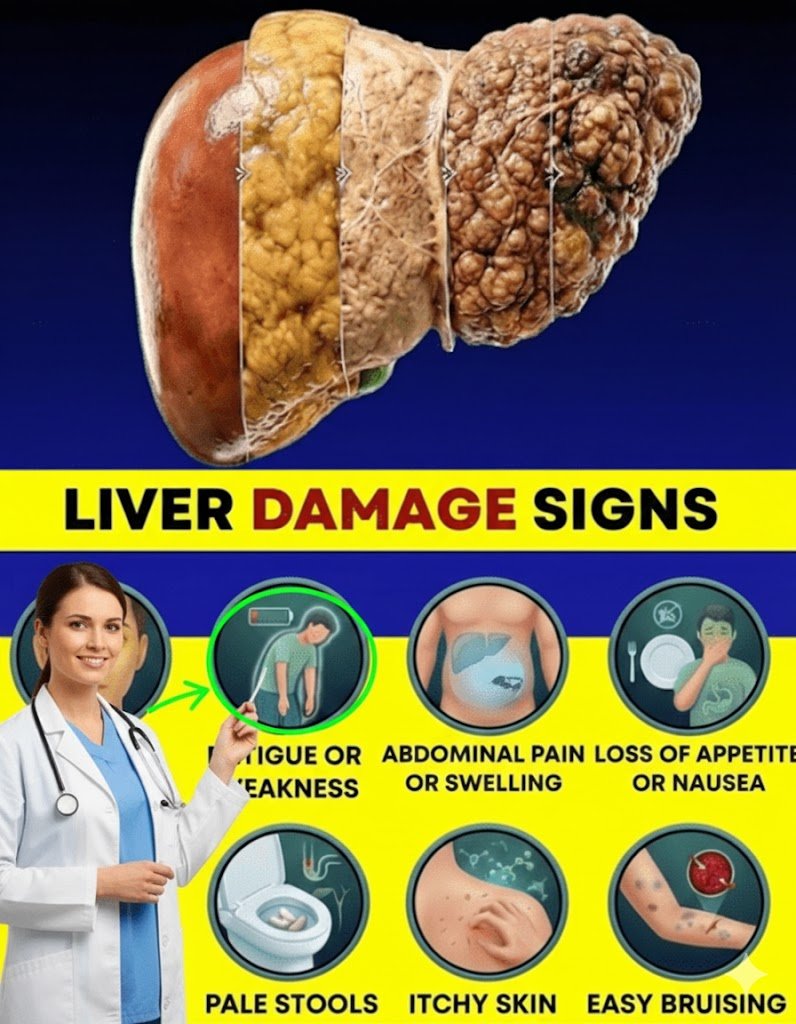
Why Liver Damage Often Goes Unnoticed
One of the most challenging aspects of liver disease is how silently it progresses. The liver has no pain receptors, so it doesn’t “hurt” in the way other organs do. As a result, people may live for years with inflammation or fat buildup in the liver without realizing it. Symptoms are often vague and easy to dismiss, especially during midlife when weight gain, hormonal changes, and stress are common.
What begins as mild discomfort or low energy can gradually evolve into more serious problems if ignored. This is why awareness of early warning signs is so important.
Early Warning Signs You Should Not Ignore
Some of the most common early signs of liver trouble include:
-
Persistent fatigue and weakness that doesn’t improve with rest
-
Discomfort or a dull ache in the upper right abdomen
-
Digestive issues, such as nausea, loss of appetite, or feeling full quickly
-
Dark-colored urine or unusually pale stools
-
Itchy skin, especially at night
-
Easy bruising or frequent nosebleeds
-
Yellowing of the skin or eyes (jaundice), which may start subtly
Individually, these symptoms can be linked to many conditions. When several appear together or persist over time, they deserve attention.
Common Causes Behind Liver Damage
Excessive alcohol use is a well-known cause, but it’s far from the only one. Today, a major contributor is fatty liver related to poor diet, excess weight, insulin resistance, and diabetes. Viral infections, such as hepatitis B and C, can quietly injure the liver for years. Certain medications, environmental toxins, autoimmune conditions, and even genetics also play a role.
It may surprise you to learn that some supplements and herbal products can strain the liver when taken incorrectly or in excess. “Natural” does not always mean safe for long-term or high-dose use.
Can Liver Damage Be Reversed?
In many cases, yes—especially in the early stages. Removing the underlying cause makes a powerful difference. People who reduce alcohol intake, lose excess weight, balance blood sugar, improve their diet, and become more physically active often see significant improvements in liver function. Real-life experiences repeatedly show that consistent lifestyle changes can restore energy, reduce inflammation, and normalize liver tests.
How to Protect Your Liver Naturally
Simple, steady habits go a long way:
-
Limit or avoid alcohol
-
Maintain a healthy body weight
-
Eat a balanced diet rich in vegetables, fruits, whole grains, and lean protein
-
Reduce sugar, refined carbohydrates, and processed fats
-
Stay physically active with regular walking or exercise
-
Be cautious with medications and supplements
-
Prioritize quality sleep and stress management
Even small steps, practiced daily, can have a powerful cumulative effect.
When to See a Doctor
Seek medical evaluation promptly if you notice yellowing of the skin or eyes, ongoing fatigue, abdominal swelling, dark urine, pale stools, severe itching, or unexplained bruising. Early testing and guidance can prevent long-term complications.
The Key Takeaway
Liver damage rarely announces itself loudly, but it does leave clues. Listening to those subtle signals and acting early can protect your health for years to come. Start with one positive change today—your liver is remarkably capable of healing when given the chance.