 By Trung Pham
 Experiencing tooth sensitivity, noticing dark spots, or feeling persistent discomfort? These signs often indicate potential tooth decay, triggering concerns about pain, extensive dental procedures, and high costs. The constant worry of a nagging ache or the apprehension of a dental drill can make daily life, particularly eating, incredibly stressful. It’s understandable to feel drawn to quick, at-home remedies promoted online. However, it’s crucial to understand a fundamental truth: **established tooth decay cannot be safely or effectively removed at home; this task requires professional dental intervention.** While it can be frustrating to encounter misleading claims of DIY cavity cures, which often risk exacerbating oral health problems, reputable dental research confirms a key distinction. Early stages of demineralization, where enamel begins to weaken, can indeed be reversed with diligent care. Conversely, fully formed cavities demand professional treatment. The positive news is that evidence-backed strategies exist to halt the progression of early decay and significantly bolster your overall oral health. Let’s explore what truly works and what to avoid. 🦷
🦷 Understanding the Stages of Tooth Decay
Are you experiencing sensitivity or noticing unusual spots on your teeth? The process of tooth decay commences with demineralization, a stage where acids produced by oral bacteria gradually dissolve the vital minerals that constitute your tooth enamel. The earliest indicator of this process often manifests as white spots on the tooth surface, a condition that, according to leading dental research from organizations like the NIDCR, is potentially reversible with appropriate care. However, once this demineralization progresses to form a visible cavity – a physical hole in the tooth – professional intervention becomes essential for its safe and effective removal. Unfortunately, many misconceptions surrounding this process continue to circulate.
🦷 Why Attempting DIY Cavity Removal is Dangerous and Ineffective
The temptation to address a dental issue yourself, perhaps by attempting to scrape away decay or apply “home fillers,” can be strong. However, any attempt to remove established tooth decay without professional expertise carries significant risks. You could inadvertently cause severe infections, inflict irreparable damage to your tooth enamel, or even exacerbate existing problems, leading to more profound oral health complications. Dental experts universally caution against using sharp objects for picking or employing abrasive methods, as these can not only damage healthy tooth structure but also spread harmful bacteria. Only qualified dentists are equipped with sterile instruments and the necessary training to safely and thoroughly remove decayed tissue. Subsequently, professional dental fillings are used to meticulously restore the tooth’s structural integrity and function. Understanding this critical distinction and seeking timely professional care can drastically alter the outcome of your dental health.
🦷 Effective At-Home Strategies: Reversing Early Tooth Decay
If you’re noticing white spots on your teeth or experiencing mild sensitivity, these could be signs of the initial demineralization stage. During this crucial phase, your enamel can still be strengthened through a process called remineralization. Extensive scientific studies consistently support the vital role of fluoride in actively halting or even reversing early-stage tooth decay by promoting the redeposition of essential minerals onto the enamel. Here are evidence-based steps you can take at home to support remineralization and protect your teeth:
- Brush with Fluoride Toothpaste: Ensure you brush thoroughly twice a day using a fluoride-based toothpaste to deliver protective minerals directly to your enamel.
- Incorporate Fluoride Mouth Rinse: For an added layer of defense, consider using a fluoride mouth rinse as part of your daily oral hygiene routine.
- Limit Sugary and Acidic Foods: Significantly reduce your intake of foods and beverages high in sugar and acid, which fuel the bacteria responsible for enamel erosion.
- Chew Sugar-Free Xylitol Gum: Chewing sugar-free gum containing xylitol can help stimulate saliva production, a natural defense mechanism that neutralizes acids and aids in remineralization.
These proactive measures are highly effective in promoting mineral redeposition and safeguarding your enamel. However, it’s important to remember that these strategies are for early demineralization, not for existing cavities.
🦷 Managing Symptoms and Slowing the Progression of Decay
If you’re already experiencing discomfort or pain that disrupts your meals, it’s likely you have more advanced tooth decay. While home care can provide temporary symptom relief and help slow further progression, it’s critical to understand that these methods do not remove existing decay or cure a cavity. For temporary soothing:
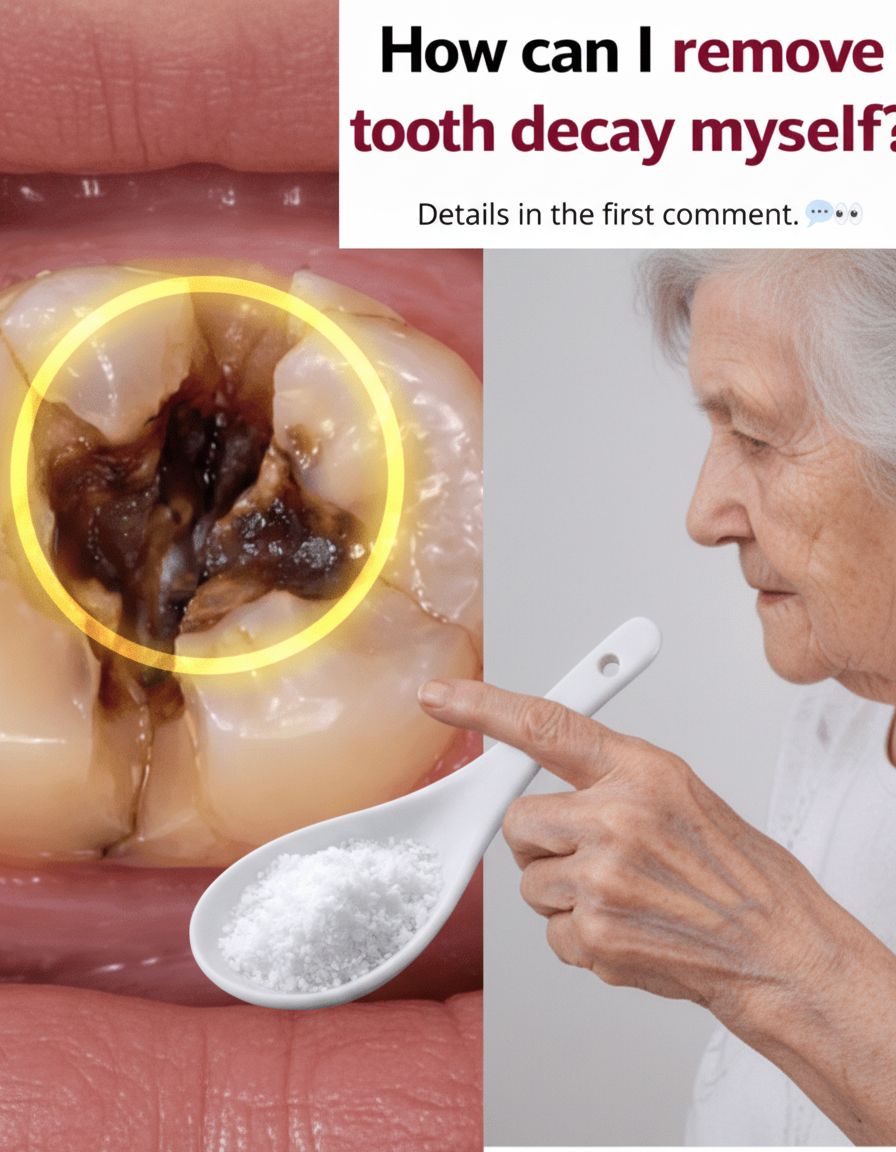
- Warm Salt Water Rinse: Gently rinse your mouth with warm salt water to help reduce inflammation and discomfort.
- Identify and Avoid Triggers: Pay attention to foods and drinks that exacerbate your pain, such as extremely hot, cold, or sweet items, and avoid them.
- Maintain Gentle Oral Hygiene: Continue with gentle brushing and flossing around the affected area to keep it clean and prevent further irritation.
While these steps can significantly alleviate discomfort, scientific evidence confirms they are palliative, not curative. Many widely promoted home remedies often fail to deliver on their promises for cavity treatment.
Common Home Remedies for Tooth Decay: Fact vs. Fiction
Many individuals turn to various home remedies in the hope of treating or reversing tooth decay. Here’s an evidence-based look at some popular options:
| Remedy | Claimed Benefit | Evidence-Based Reality |
|---|---|---|
| Oil Pulling | Removes bacteria and toxins from the mouth. | May help reduce plaque and improve gum health, but there is no scientific evidence to support its ability to reverse or cure cavities. |
| Clove Oil | Provides natural pain relief for toothaches. | Offers temporary numbing and pain relief due to eugenol, but it does not treat the underlying tooth decay or remove cavities. |
| Baking Soda / Salt | Acts as an abrasive cleaner to scrub away decay. | Can help clean the tooth surface, but its abrasive nature risks eroding healthy enamel over time and cannot remove established decay. |
| Activated Charcoal | Whitens teeth and detoxifies the mouth. | Highly abrasive and can cause significant damage to tooth enamel, making teeth more susceptible to decay and sensitivity; no detoxifying effect on cavities. |
It’s important to note that most sources indicate very limited, if any, support for cavity reversal through these methods, especially when compared to the proven efficacy of fluoride. By educating yourself with factual information, you are taking a proactive step towards better oral health, unlike many who unfortunately delay seeking proper care.
🦷 When to Seek Professional Dental Care Promptly
Recognizing when to consult a dental professional is paramount for preventing minor issues from escalating into severe complications. If you observe any of the following signs, it’s crucial to schedule an appointment with your dentist without delay:
- Visible Dark Spots or Holes: These are clear indicators of established cavities that require professional intervention.
- Persistent or Worsening Pain: Ongoing toothache, especially if it’s sharp, throbbing, or interferes with daily activities, signals a significant problem.
- Increased Sensitivity: If sensitivity to hot, cold, or sweet foods becomes severe or prolonged.
Professional dental treatment is the only reliable way to safely and effectively remove decayed tooth material and prevent serious complications, such as widespread infection or even tooth loss. Dentists use specialized, sterile tools and techniques to meticulously clean out decay and then restore the tooth with durable fillings. Seeking early dental care often translates to simpler, less invasive, and less costly treatments compared to addressing advanced decay.
Frequently Asked Questions About Tooth Decay
- 1. Can a fully formed cavity truly be removed at home?
- No, established dental cavities necessitate professional removal by a qualified dentist. Attempting to treat them with home methods carries substantial risks of further harm and infection.
- 2. Is it possible to reverse early-stage tooth decay?
- Yes, in its earliest stage, often identified as a “white spot lesion” or demineralization, tooth decay can be reversed. Consistent oral hygiene practices and the proper use of fluoride significantly support the remineralization process, as confirmed by extensive research.
- 3. What are the consequences of ignoring tooth decay?
- Ignoring tooth decay allows it to progress, potentially leading to severe pain, widespread infection, abscess formation, and ultimately, tooth loss. Prompt professional care is crucial to prevent these complications and save you from significant discomfort and more complex treatments.
Disclaimer: This article is intended solely for informational purposes and should not be considered a substitute for professional dental advice, diagnosis, or treatment. Always consult with your qualified dentist or another healthcare provider for any questions regarding your medical condition or symptoms. Do not disregard professional medical advice or delay in seeking it because of something you have read in this article.