 By admin
 Yellow teeth aren’t just a cosmetic issue — support your oral health naturally and watch your smile transform.
Do you ever hide your smile in photos because your teeth look a little yellow? You brush every day, maybe even try whitening toothpaste, yet coffee, tea, and time still leave their mark. It’s frustrating.
Now let me ask you something: What if a “natural” remedy you’ve seen all over social media could actually damage your teeth instead of whitening them?
Before you try another DIY trend, read this to the end. Your enamel will thank you.
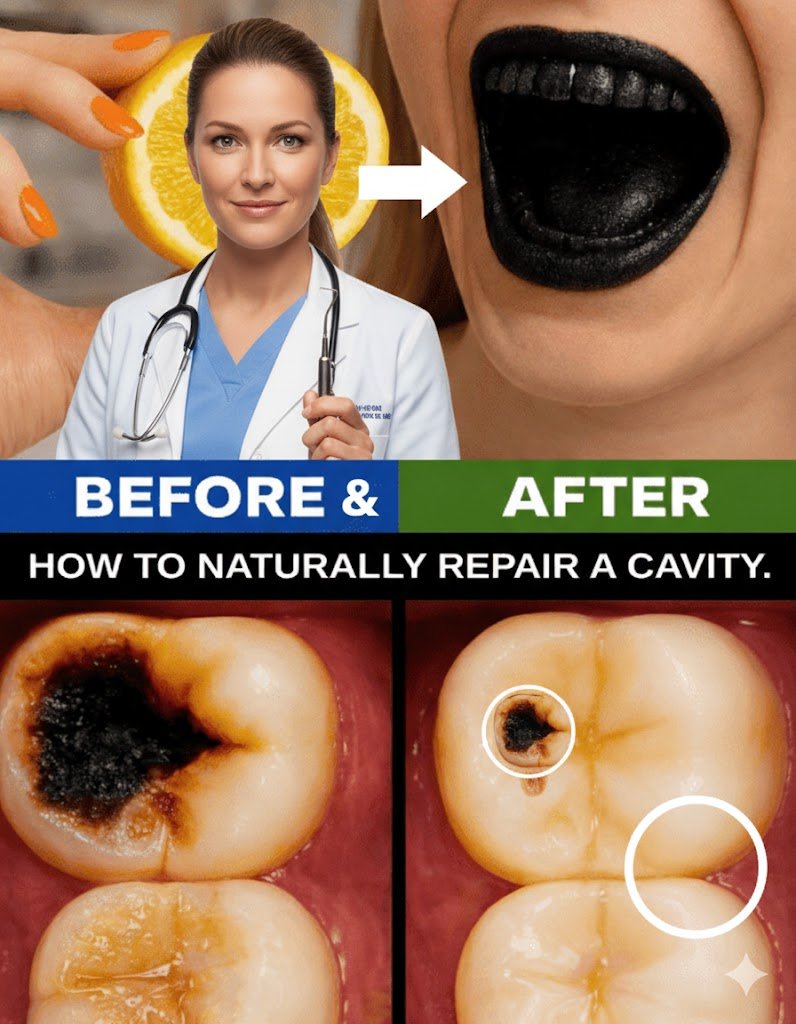
Why Charcoal and Lemon Became So Popular
Natural remedies feel empowering. Activated charcoal is praised for its ability to absorb toxins. Lemon juice sounds fresh, cleansing, and full of vitamin C. Mix them together, brush gently, and many claim you’ll see a brighter smile within days.
It sounds simple, affordable, and chemical-free. But natural doesn’t always mean safe.
The Hidden Risks Behind the Trend
1. Activated Charcoal: Too Abrasive for Enamel
Charcoal can help remove surface stains temporarily because of its gritty texture. However, that same abrasiveness can scratch enamel.
Enamel does not regenerate. Once it wears down, it exposes the yellow dentin underneath — making teeth appear even darker over time. Rough enamel also traps more stains, creating a cycle of discoloration.
2. Lemon Juice: Acid Erosion
Lemon juice is highly acidic. Acid softens enamel, weakening its protective layer. When you brush immediately after applying lemon, you may actually scrub away softened enamel.
Long-term effects can include:
-
Tooth sensitivity
-
Increased cavity risk
-
Permanent enamel thinning
When charcoal and lemon are combined, the acid softens enamel and the charcoal scrapes it away. The result may look brighter at first, but the damage builds quietly.
A Safer, More Natural Approach to Whitening
If you want a naturally brighter smile, focus on supporting enamel health, not stripping it.
1. Baking Soda (Occasional Use Only)
Benefits:
-
Mild stain removal
-
Neutralizes acids in the mouth
How to Use:
-
Mix ½ teaspoon baking soda with a few drops of water to form a paste
-
Gently brush for 1 minute
-
Use no more than 1–2 times per week
Avoid overuse to protect enamel.
2. Coconut Oil Pulling
Benefits:
-
Reduces harmful bacteria
-
May gradually improve brightness by reducing plaque
Instructions:
-
Swish 1 tablespoon organic coconut oil in your mouth for 10–15 minutes
-
Spit out (not into the sink), rinse, and brush normally
-
Practice 3–4 times per week
Oil pulling supports oral balance rather than forcing quick whitening.
3. Crunchy Fruits & Vegetables
Apples, carrots, and celery act as natural tooth polishers and stimulate saliva, which protects enamel.
4. Strengthen Before You Brighten
Healthy enamel reflects light better and appears whiter naturally. Support enamel with:
-
Adequate calcium and magnesium intake
-
Vitamin D from sunlight or natural sources
-
Drinking plenty of water
-
Rinsing after acidic foods
If stains are deep or persistent, consult a dentist before trying any whitening method — especially if you experience sensitivity.
The Real Secret to a Whiter Smile
There is no miracle shortcut. Quick fixes that strip enamel may give temporary brightness but cost you long-term health.
Instead, imagine this:
Thirty days from now, your teeth feel smooth, strong, and naturally brighter. You smile freely. No sensitivity. No regret.
That transformation begins with protecting your enamel — not attacking it.
Before you try charcoal and lemon, pause. Choose methods that nourish rather than damage. Your smile is meant to last a lifetime.
This article is for educational purposes only and does not replace professional dental advice. If you have sensitivity, gum disease, or significant discoloration, consult a qualified dental professional before beginning any whitening routine.