 By Trung Pham
Many individuals might casually dismiss the unassuming flora sprouting in their gardens, along pathways, or through pavement cracks. Yet, within this overlooked vegetation lie botanical treasures that have been cherished across various cultures for centuries, playing a vital role in traditional wellness practices. Among these remarkable plants is Euphorbia hirta, commonly known as asthma weed or tawa-tawa. This humble, low-growing herb, characterized by its fuzzy leaves and minuscule blossoms, flourishes abundantly in tropical and subtropical regions worldwide.
Possessing a deeply rooted history, this widespread plant has been a cornerstone in folk remedies spanning Asia, Africa, and Latin America. Its traditional applications range from providing comfort for respiratory ailments and supporting digestive health to addressing numerous other conditions. While its historical uses are extensive and well-documented, contemporary scientific research is now actively investigating the potent compounds within Euphorbia hirta. Join us as we delve into the intersection of ancient wisdom and modern inquiry, exploring what both tradition and science reveal about this extraordinary botanical specimen.
🌿 The Enduring Legacy of Euphorbia Hirta in Global Ethnobotany
Euphorbia hirta thrives in disturbed soils, spreading close to the ground with its distinctive hairy stems and small, often reddish or pinkish flower clusters. A defining characteristic of the entire Euphorbia genus is its milky white sap. Across diverse cultures, this plant has earned various names reflecting its specific traditional roles. For instance, it’s widely recognized as “asthma weed” due to its historical use in alleviating breathing difficulties, while in the Philippines, it’s known as “tawa-tawa” for its traditional application in fever management. These appellations are a testament to generations of observational wisdom, meticulously passed down through oral traditions and written records.
Crucially, while countless anecdotal accounts attest to its efficacy, initial laboratory studies have indeed identified promising bioactive compounds within Euphorbia hirta, such as flavonoids and tannins, which exhibit notable antioxidant properties. However, it is important to underscore that much of the existing evidence stems from preliminary research and studies conducted on animal models. Reliable sources consistently highlight the current lack of high-quality human clinical trials necessary to definitively confirm its broader therapeutic benefits for human health.
🔬 Scientific Spotlight: Exploring the Therapeutic Potential of Euphorbia Hirta
Modern scientists have successfully isolated and identified various compounds within Euphorbia hirta that demonstrate significant biological activity in controlled laboratory environments. Below is a balanced overview of these intriguing areas of research:
- Respiratory Wellness: Historically, traditional teas brewed from Euphorbia hirta were consumed to soothe coughs and alleviate wheezing. Some scientific investigations suggest that certain extracts may exert a relaxant effect on airways, potentially aiding respiratory comfort. Nevertheless, robust human evidence remains limited.
- Digestive Harmony: This plant has long been employed in folk medicine to address diarrhea and other gastrointestinal disturbances. In vitro studies (test-tube experiments) have revealed that its extracts possess antimicrobial properties, which could contribute to faster recovery in some digestive models.
- Anti-Inflammatory Effects: The flavonoids present in Euphorbia hirta have shown potential in reducing swelling during animal tests. This finding aligns with its traditional use for managing discomfort associated with inflammation, such as joint pain.
- Antimicrobial Activity: Laboratory analyses have confirmed its activity against a range of bacteria and fungi. This scientific observation provides a potential basis for its traditional application in wound care and treating various skin ailments.
- Further Explorations: Preliminary research also points towards its antioxidant support, potential effects on platelet counts (particularly in contexts related to dengue, though small studies have yielded mixed results), and mild diuretic properties.
Quick Comparison: Traditional Wisdom vs. Scientific Insights
| Aspect | Traditional Use | Scientific Notes (Current Research) |
|---|---|---|
| Respiratory | Teas for asthma-like symptoms, coughs | Some bronchodilator effects observed in lab settings |
| Digestive | Relief from diarrhea and gut issues | Antimicrobial activity demonstrated in vitro |
| Skin/Wounds | Poultices for boils, rashes, and minor skin irritations | Potential antifungal and antibacterial activity |
| Fever/Dengue | Brews for fever reduction, platelet recovery support | Limited, often inconclusive human trials on platelet effects |
| General Wellness | Overall tonic for health and vitality | Antioxidant compounds identified; anti-inflammatory potential |
| It is important to remember that current research is still in its early stages – promising, yet not definitive. | ||
🛡️ Prioritizing Safety: Essential Considerations for Euphorbia Hirta Use
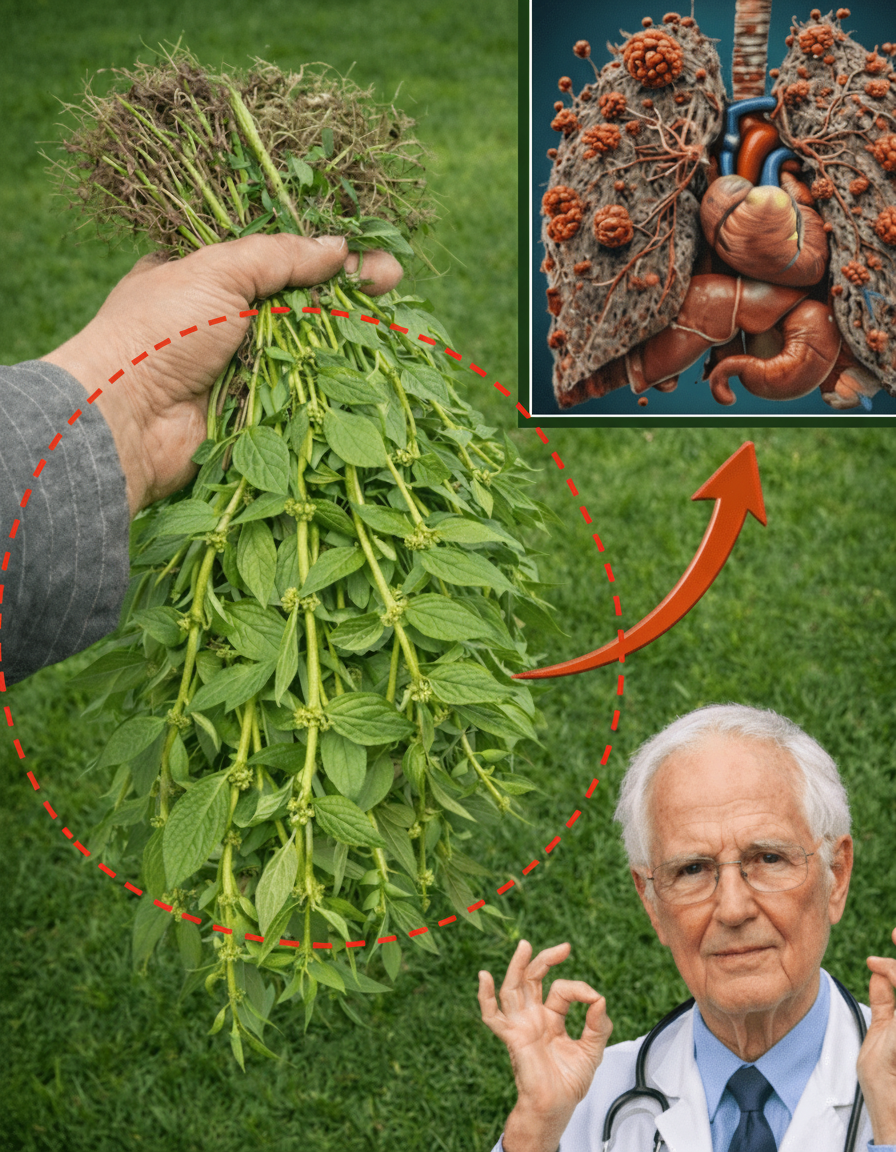
While Euphorbia hirta holds significant traditional value, it is paramount to approach its use with caution. The plant’s characteristic milky sap can cause irritation upon contact with skin or eyes; therefore, wearing gloves is always advisable when handling it. If ingested orally, particularly in larger quantities, it may lead to adverse effects such as nausea, vomiting, or general gastrointestinal upset.
Animal toxicity studies have indicated a relatively low acute risk at moderate doses. However, like many plants, Euphorbia hirta contains compounds that could potentially be harmful if consumed in excessive amounts or over prolonged periods. It is strongly advised to avoid its use during pregnancy due to potential uterine effects and if you suffer from pre-existing stomach conditions. Furthermore, individuals with latex allergies should exercise extreme caution or avoid the plant entirely, given its milky sap, a common characteristic of the Euphorbia family. This plant is not recommended for self-treatment of serious medical conditions like dengue fever or chronic asthma; always seek professional medical guidance for such ailments.
Simple Ways to Explore Safely (If Interested)
For those interested in exploring traditional preparations of Euphorbia hirta responsibly, here are some guidelines:
- Accurate Identification: Look for leaves that grow opposite each other, reddish stems, and the tiny, clustered flower structures known as cyathia. Utilize reliable plant identification apps or botanical guides to confirm.
- Basic Herbal Tea (Traditional Method): Steep a small handful of fresh aerial parts (leaves and stems) in hot water for approximately 10 minutes. Strain thoroughly before consumption. Begin with very small quantities to assess your body’s reaction.
- Topical Application: For minor skin irritations, a diluted paste can be applied topically. Always perform a patch test on a small area of skin first to check for any allergic reactions.
Always ensure that any plant material is sourced from clean, uncontaminated areas. Most importantly, consult with a qualified healthcare provider or an experienced herbalist before incorporating Euphorbia hirta into your regimen, especially if you are currently taking other medications or have underlying health conditions.
Frequently Asked Questions About Euphorbia Hirta
- Is Euphorbia hirta conclusively proven effective for conditions like asthma or dengue?
- While its traditional use is widespread and deeply ingrained in many cultures, scientific evidence supporting its efficacy for specific conditions like asthma or dengue remains preliminary and insufficient for definitive medical recommendations. Further rigorous research, particularly human clinical trials, is essential.
- Is Euphorbia hirta suitable for everyone?
- No. It should be avoided by pregnant or breastfeeding individuals, and those with pre-existing stomach issues or known latex allergies. It is crucial to start with very small amounts if you choose to use it and diligently monitor for any adverse reactions.
- Where can I typically find Euphorbia hirta?
- This resilient plant commonly grows wild in warm, tropical, and subtropical climates, often found in disturbed areas like fields, roadsides, and gardens. Utilizing botanical identification apps or field guides can assist in accurate recognition.
Disclaimer: This article is intended solely for informational purposes and should not be construed as a substitute for professional medical advice, diagnosis, or treatment. Plants like Euphorbia hirta beautifully illustrate nature’s profound diversity and potential, but safety must always be the foremost consideration. Always consult your healthcare provider or a qualified herbalist before making any decisions related to your health or incorporating new herbal remedies.