 By Trung Pham
 Viral Rice Teeth Whitening: Unpacking the Hype, Risks, and Scientifically-Backed Solutions for a Brighter Smile
Social media is abuzz with viral videos showcasing a seemingly effortless path to a dazzling smile: the “rice method” for teeth whitening. These clips often promise instantaneous stain and tartar removal simply by rubbing rice on your teeth. For many grappling with discolored teeth due to daily coffee, tea, or other habits, the allure of a natural, accessible kitchen remedy—free from harsh chemicals—is undeniable. However, dental professionals are sounding the alarm. While such abrasive techniques might offer a fleeting superficial shine, they carry significant risks of irreversible enamel damage. Join us as we delve into the facts, explore the potential pitfalls, and reveal genuinely safe and effective strategies for achieving a brighter smile.
Where the Viral Rice Whitening Trend Originated
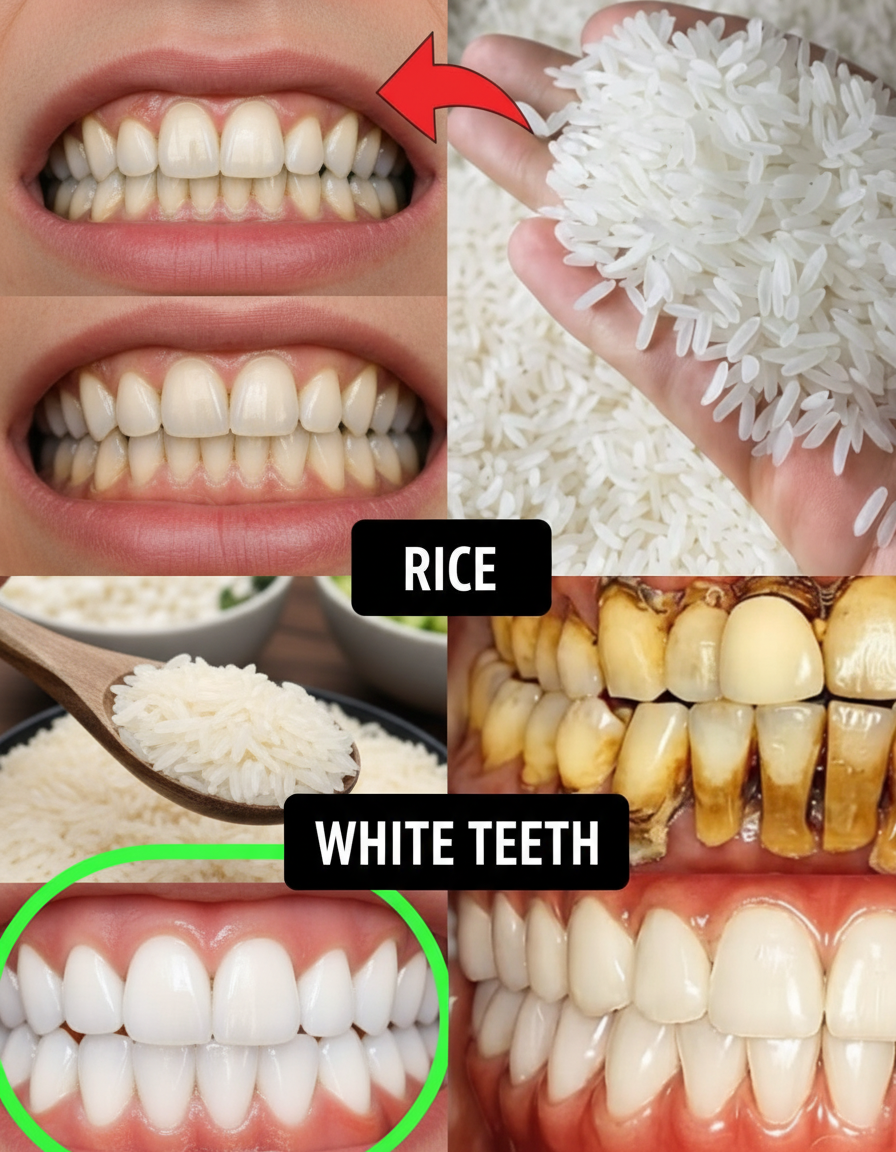
The “rice method” typically involves various techniques: chewing uncooked rice, directly rubbing individual grains onto tooth surfaces, or utilizing finely ground rice powder as an abrasive scrub. Social media platforms are inundated with compelling before-and-after photographs, purporting that rice acts as a mild abrasive capable of buffing away superficial stains. While some historical oral care practices in certain cultures have incorporated rice-based elements, contemporary viral interpretations often dramatically overstate their efficacy. Scientific understanding confirms that mild abrasives can indeed temporarily diminish extrinsic stains (those on the tooth’s surface). Yet, it’s crucial to understand that rice possesses no inherent bleaching properties. The stark reality remains: there is a complete absence of robust scientific evidence validating rice as either an effective or safe teeth whitening agent.
Can Rice Truly Brighten Your Smile?
Indeed, the mild abrasive quality of rice grains or powder *might* mechanically polish away some superficial extrinsic stains accumulated from common foods and beverages. Users might even observe a subtle, temporary increase in brightness immediately after application. However, it’s imperative to clarify what rice *cannot* achieve:
- It cannot effectively remove tartar (calcified plaque), which requires specialized professional dental cleaning.
- It cannot bleach intrinsic stains (discoloration within the tooth structure) or fundamentally alter your natural tooth shade.
- It certainly cannot deliver the dramatic, “in-seconds” results frequently depicted in heavily edited online videos.
Moreover, research concerning natural abrasives consistently cautions against their excessive use, highlighting that their effects are incomparable to the sustained, deeper whitening achieved by peroxide-based treatments.
The Undisclosed Dangers of the Rice Whitening Technique
The persistent, abrasive action of rubbing rice on teeth poses a significant threat: it can erode dental enamel, the crucial protective outer layer of your teeth. Critically, once enamel is damaged or worn away, it cannot naturally regenerate. This irreversible damage can precipitate a cascade of oral health issues, including:
- Exacerbated tooth sensitivity to hot and cold temperatures.
- An elevated susceptibility to dental cavities and decay.
- Irritation and inflammation of the gum tissues.
- Over time, teeth may appear thinner, more translucent, and paradoxically, even yellower, as the underlying dentin becomes more visible.
Dental professionals frequently draw parallels between the rice method and other popular but misguided viral trends, such as charcoal or baking soda scrubs, all of which often inflict more detriment than benefit to oral health.
Why Viral “Before-and-After” Photos Are Often Misleading
The seemingly miraculous transformations showcased in viral “before-and-after” photos are often products of clever manipulation rather than genuine whitening. Factors such as variations in lighting conditions, the temporary visual effect of dry teeth appearing whiter than wet ones, or sophisticated photo editing software can create compelling illusions. It’s important to recognize that many “after” images merely depict teeth with cleaner surfaces, not a fundamental change in tooth shade. Authentic, professional teeth whitening results are achieved through carefully controlled bleaching processes, not deceptive visual tricks.
Safe, Scientifically-Backed Approaches to Achieve a Brighter Smile
For individuals seeking to enhance their smile safely and effectively, it’s crucial to opt for products and methods endorsed by reputable dental associations, such as the American Dental Association (ADA), which typically contain peroxide-based ingredients for proven results. Here’s a breakdown of reliable options:
| Method | How It Works | Potential Benefits from Studies | Considerations |
|---|---|---|---|
| Whitening Toothpaste | Combines mild abrasives with a low concentration of peroxide. | Gradually removes superficial surface stains. | Requires consistent daily use; always look for the ADA Seal of Acceptance. |
| Whitening Strips | Hydrogen peroxide gel applied via thin, flexible strips. | Offers noticeable brightening within a few weeks. | Strictly follow instructions to minimize potential tooth sensitivity. |
| Professional In-Office Whitening | Administered by a dentist using a high concentration of peroxide. | Delivers dramatic results, often in a single visit, ideal for stubborn stains. | The most powerful option; performed under professional supervision. |
| Custom Trays from Dentist | Take-home kits featuring custom-fitted trays filled with peroxide gel. | Ensures controlled, even whitening across all teeth. | Personalized fit maximizes contact and minimizes gum irritation. |
These methods are extensively supported by scientific research for their efficacy and safety when utilized correctly and according to instructions.
Gentle Daily Habits for Maintaining a Naturally Brighter Smile
- Brush your teeth twice daily using a fluoride-containing toothpaste.
- Floss every day to effectively remove plaque and food particles from between teeth.
- Rinse your mouth with water immediately after consuming highly staining foods or beverages.
- Schedule regular dental check-ups and professional cleanings with your dentist.
Incorporating these fundamental oral hygiene practices will naturally support your teeth’s inherent whiteness without introducing unnecessary risks.
Considering the Rice Method Despite Warnings?
While dental experts overwhelmingly advise against using the rice method for teeth whitening due to its inherent risks, should you still feel compelled to experiment, proceed with extreme caution and adhere strictly to these guidelines:
- Employ only finely ground rice powder, not whole grains.
- Apply it with extreme gentleness, and only a single time, avoiding repeated applications.
- Rinse your mouth thoroughly with water afterward.
- Crucially, never consider it a substitute for your regular toothpaste.
Even with these precautions, it remains unequivocally not recommended as a viable alternative to scientifically proven and safer whitening methods.
Your Straightforward Plan for a Noticeably Brighter Smile
Embark on your journey to a brighter smile with a clear, phased approach:
- Week 1: Begin by incorporating an ADA-approved whitening toothpaste into your daily oral hygiene routine.
- Week 2: If you desire more pronounced results, consider adding ADA-accepted whitening strips as directed.
- Ongoing: Consistently uphold excellent daily oral hygiene habits and ensure you attend your scheduled professional dental check-ups.
Remember, true and lasting results are achieved gradually and safely through these proven methods.
Frequently Asked Questions About Teeth Whitening
- Does the rice method effectively remove tartar?
No, the rice method, or any home abrasive, cannot remove tartar. Tartar (hardened plaque) can only be safely and completely removed by a dental professional during a cleaning. - Are “natural” teeth whitening methods inherently safer?
Not necessarily. While the term “natural” can be appealing, many natural or DIY methods, like the rice method, can be highly abrasive and cause significant, irreversible damage to your tooth enamel. It is always best to stick to products and methods that have undergone rigorous testing and received professional endorsements. - How long can I expect safe teeth whitening results to last?
The longevity of your safe whitening results can vary from several months to a few years, largely depending on your dietary habits, oral hygiene practices, and lifestyle choices. Periodic touch-up treatments can help maintain your bright smile over time.
Disclaimer: This article is intended solely for informational purposes and should not be construed as medical or dental advice. It is not designed to diagnose, treat, cure, or prevent any oral health condition. All teeth whitening methods, including home remedies, carry potential impacts on oral health. Always consult with your qualified dental professional before beginning any new teeth whitening regimen or oral care practice.