 By Trung Pham
 Effective Home Remedies for Nail Fungus: Natural Solutions for Healthy Nails
Dealing with nail fungus, medically termed onychomycosis, can be a frustrating and often embarrassing experience. It typically leaves your nails looking thick, discolored, and brittle, making you hesitant to expose your hands or feet. While it often begins subtly, the infection can gradually worsen, leading to discomfort in open-toed shoes or even pain from increased pressure. Many individuals conceal their nails for years, avoiding social situations or feeling exasperated by persistent changes that impact their daily comfort. The encouraging news is that prompt action, combined with consistent natural treatments and improved hygiene practices, can effectively manage nail fungus at home and promote a healthier nail appearance over time. But there’s more – a simple daily habit can significantly help prevent reinfection, which we’ll discuss later to help you maintain lasting nail health.
🌿 Understanding Nail Fungus: Causes and Characteristics
Nail fungus, or onychomycosis, is an infection that targets the nail bed or plate, causing nails to appear yellow, white, or brown as they thicken and become crumbly. This prevalent issue more frequently affects toenails due to the warm, moist environments feet are often exposed to, leading to annoyance as nails become difficult to trim and unsightly. Fungal infections thrive when moisture is trapped, causing distress for those who enjoy barefoot activities or struggle with sweaty feet. Research indicates that fungi typically enter through tiny cracks or openings in the nail or surrounding skin, slowly spreading and transforming healthy nails into dull, damaged ones. Common catalysts for nail fungus include:
- Wearing tight, non-breathable footwear that traps sweat and moisture.
- Walking barefoot in communal areas such as swimming pools, locker rooms, or gyms.
- Minor nail injuries or trauma that create easy entry points for fungi.
- Excessive moisture exposure from prolonged sweating or inadequate drying of feet and hands.
Grasping these contributing factors empowers you to address nail fungus proactively, alleviating the emotional burden of constantly hiding your hands or feet.
⚠️ Identifying the Early Indicators of Nail Fungus
Catching a fungal nail infection in its initial stages can save you from developing thicker, more painful nails that make walking uncomfortable or render sandals off-limits. Initial discoloration is often mistakenly attributed to normal aging, but ignoring it allows the infection to penetrate deeper, resulting in crumbling edges and heightened self-consciousness. Early symptoms of nail fungus to watch for include:
- Subtle yellow or white streaks appearing under the nail tip.
- Slight thickening or increased brittleness of the nail plate.
- A dull, cloudy appearance, causing the nail to lose its natural luster.
- A mild, sometimes unpleasant odor in some instances.
Nail fungus progresses slowly, frequently beginning on one nail before spreading, which intensifies frustration as multiple nails become affected. Studies suggest that early detection significantly improves the effectiveness of natural management strategies. However, it’s crucial to remember that not all nail changes indicate a fungal infection. Conditions like psoriasis or physical trauma can mimic fungal symptoms, making careful observation of progression essential.
🛡️ Controllable Factors Contributing to Nail Fungus
Nail fungus rarely develops without a reason; daily habits often create the ideal environment, turning minor exposure into a persistent problem that causes embarrassment during pedicures or beach outings. Restrictive shoes or damp socks act as catalysts, leaving nails vulnerable and confidence shaken. Key elements that contribute to nail fungus and are often within your control include:
- Prolonged moisture exposure from not thoroughly drying your feet and hands after washing or sweating.
- Sharing nail clippers, files, or other personal grooming tools without proper disinfection.
- A weakened immune system, which can make the body less effective at fighting off infections.
- Frequent exposure to warm, humid public environments where fungi thrive.
Addressing these root causes of nail fungus can significantly reduce the risk of recurrence and ease the stress associated with managing unsightly nails. In reality, nail fungus flourishes in concealed, damp conditions – making moisture control one of the most impactful steps you can take.
💡 Leading Natural Strategies to Combat Nail Fungus at Home
Managing nail fungus using natural methods primarily focuses on establishing an unfavorable environment for fungi while simultaneously bolstering overall nail health. These approaches, supported by some studies highlighting their antifungal properties, can help enhance nail appearance when applied consistently alongside diligent hygiene. Many individuals become disheartened by slow progress, but patience is vital, as clearer, healthier nail growth takes time.
🌱 Tea Tree Oil for Fungal Nail Support
Tea tree oil is renowned for its natural antifungal properties, with some research suggesting it can help impede fungal growth in nails. A study comparing its efficacy to conventional solutions observed comparable improvements in nail appearance for mild cases. Here’s how to effectively use tea tree oil for nail fungus:
- Always dilute tea tree oil with a suitable carrier oil, such as coconut oil or jojoba oil, to prevent skin irritation.
- Apply the diluted mixture directly to clean, dry nails twice daily.
- Gently massage the oil into the affected nail and the surrounding skin to ensure absorption.
- Continue this regimen for several months, as new, healthy nail growth is required to replace the infected portion.
Consistent application of tea tree oil can be a valuable aid in managing nail fungus, particularly in its early stages, helping to alleviate the frustration of discolored nails.
🥄 Baking Soda to Combat Moisture and Fungi
Baking soda (sodium bicarbonate) may help inhibit fungal growth by effectively absorbing excess moisture, a critical factor for fungal survival. Laboratory tests have shown its ability to inhibit various fungi in multiple samples. Simple ways to incorporate baking soda into your nail fungus management routine include:
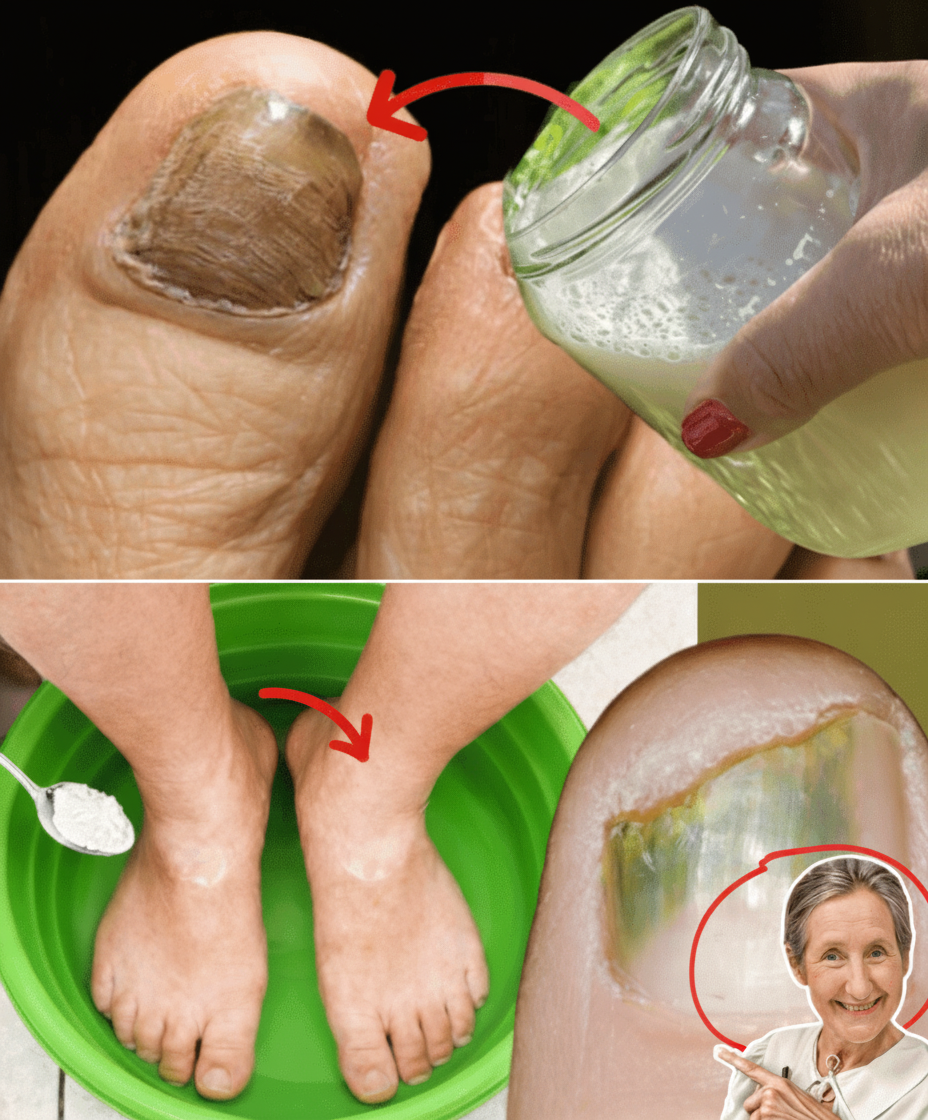
- Foot Soaks: Dissolve half a cup of baking soda in a basin of warm water. Soak your feet or hands for 15-20 minutes daily. This helps create an alkaline environment less conducive to fungal growth and can dry out the affected area.
- Direct Paste Application: Mix a small amount of baking soda with a few drops of water to form a thick paste. Apply this paste directly to the affected nail, covering it thoroughly. Leave it on for 10-15 minutes before rinsing.
- Shoe Deodorizer: Sprinkle baking soda inside your shoes when not wearing them to absorb moisture and odors, reducing the chances of fungal reinfection.
By helping to keep the affected area dry, baking soda can be a simple yet effective component of your natural approach to managing nail fungus. Remember, consistency is key for all natural remedies, alongside diligent hygiene, to achieve the best possible results and prevent future occurrences.