 By admin
 Bloating, constipation, fatigue? These simple daily habits could help your colon function better than ever before!
The colon plays a vital role in eliminating waste, maintaining a balanced gut microbiome, and supporting overall digestive health. When it functions properly, it promotes regular bowel movements, reduces bloating, and contributes to overall well-being. On the other hand, poor eating habits and a sedentary lifestyle can negatively affect its performance. Fortunately, simple daily habits can help protect your colon naturally and support long-term intestinal health.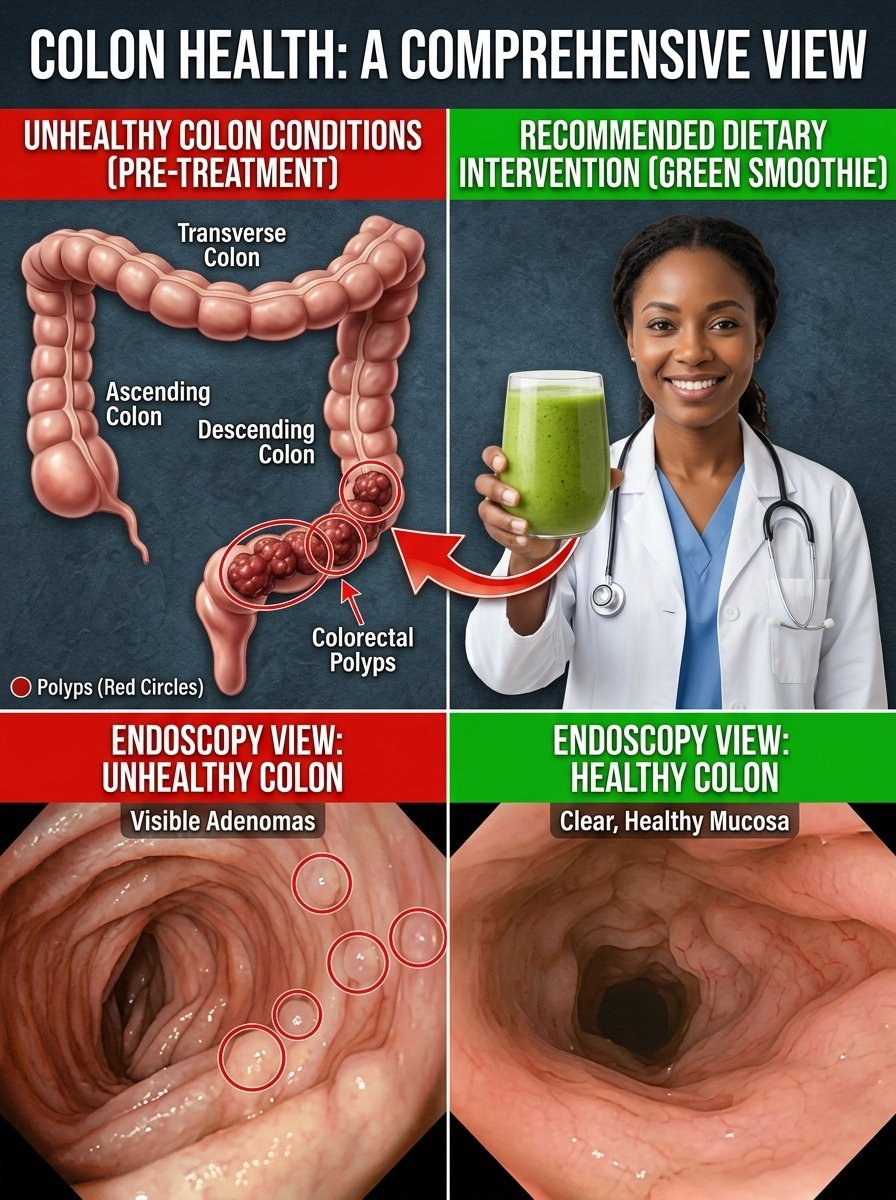
1. Eat More Fiber
Fiber is essential for healthy digestion and regular bowel movements. Fruits, vegetables, legumes, and whole grains nourish beneficial gut bacteria and help prevent constipation.
2. Stay Well Hydrated
Drinking enough water helps soften stool and makes it easier to pass. Water works together with fiber to support a healthy and efficient digestive system.
3. Include Fermented Foods
Natural yogurt, kefir, sauerkraut, and kimchi provide probiotics that help maintain a healthy balance of beneficial bacteria in the gut.
4. Stay Physically Active
Walking, cycling, and other forms of exercise stimulate natural intestinal movement and improve digestion.
5. Reduce Ultra-Processed Foods
Highly processed foods are often low in fiber and rich in additives that may disrupt the balance of your gut microbiome.
6. Eat Slowly and Chew Thoroughly
Taking time to chew your food properly supports digestion and may reduce bloating and digestive discomfort.
7. Add More Green Vegetables
Spinach, kale, broccoli, and other leafy greens contain fiber, antioxidants, and nutrients that support colon health.
8. Eat Legumes Regularly
Beans, lentils, and chickpeas are rich in fiber and resistant starch, which help nourish beneficial gut bacteria and promote healthy bowel function.
9. Choose Whole Grains
Oats, quinoa, brown rice, and other whole grains help improve bowel regularity and encourage microbial diversity in the gut.
10. Manage Stress
Chronic stress can negatively impact digestion. Relaxation techniques such as meditation, deep breathing, and mindfulness may help maintain better gut health.
11. Get Enough Sleep
Quality sleep supports many bodily functions, including digestion, and may contribute to a more regular bowel routine.
12. Add Flaxseeds to Your Diet
Flaxseeds are rich in fiber and omega-3 fatty acids, helping support digestive comfort and regularity.
13. Eat Apples and Pears
These fruits contain soluble fiber that feeds beneficial gut bacteria and supports healthy colon function.
14. Don’t Ignore the Urge to Go
Regularly delaying bowel movements may contribute to constipation and interfere with the colon’s natural rhythm.
15. Maintain Consistent Meal Times
Your digestive system benefits from routine. Eating meals at regular times may help improve digestive efficiency.
16. Limit Alcohol and Excess Sugar
Excessive alcohol and sugar consumption can disrupt the gut microbiome and contribute to digestive inflammation.
17. Pay Attention to Warning Signs
Persistent changes in bowel habits, abdominal pain, or blood in the stool should never be ignored. Early medical evaluation can improve outcomes for many digestive conditions.
Conclusion
A healthy colon is not the result of a miracle cure but rather the combination of healthy habits practiced consistently over time. Eating a fiber-rich diet, staying hydrated, exercising regularly, and supporting a balanced gut microbiome can help reduce constipation, improve digestion, and promote long-term intestinal health. By adopting these habits today, you can take an important step toward a healthier future.