 By admin
 “Insomnia, hot flashes, and unexplained weight gain? Your body may be sending an important warning about your hormonal health.”
Menopause is a natural stage in a woman’s life, but when it occurs before the age of 45, it is considered early menopause. Many women believe this transition only begins after age 50, yet the first signs can appear much earlier and significantly affect physical, emotional, and hormonal health.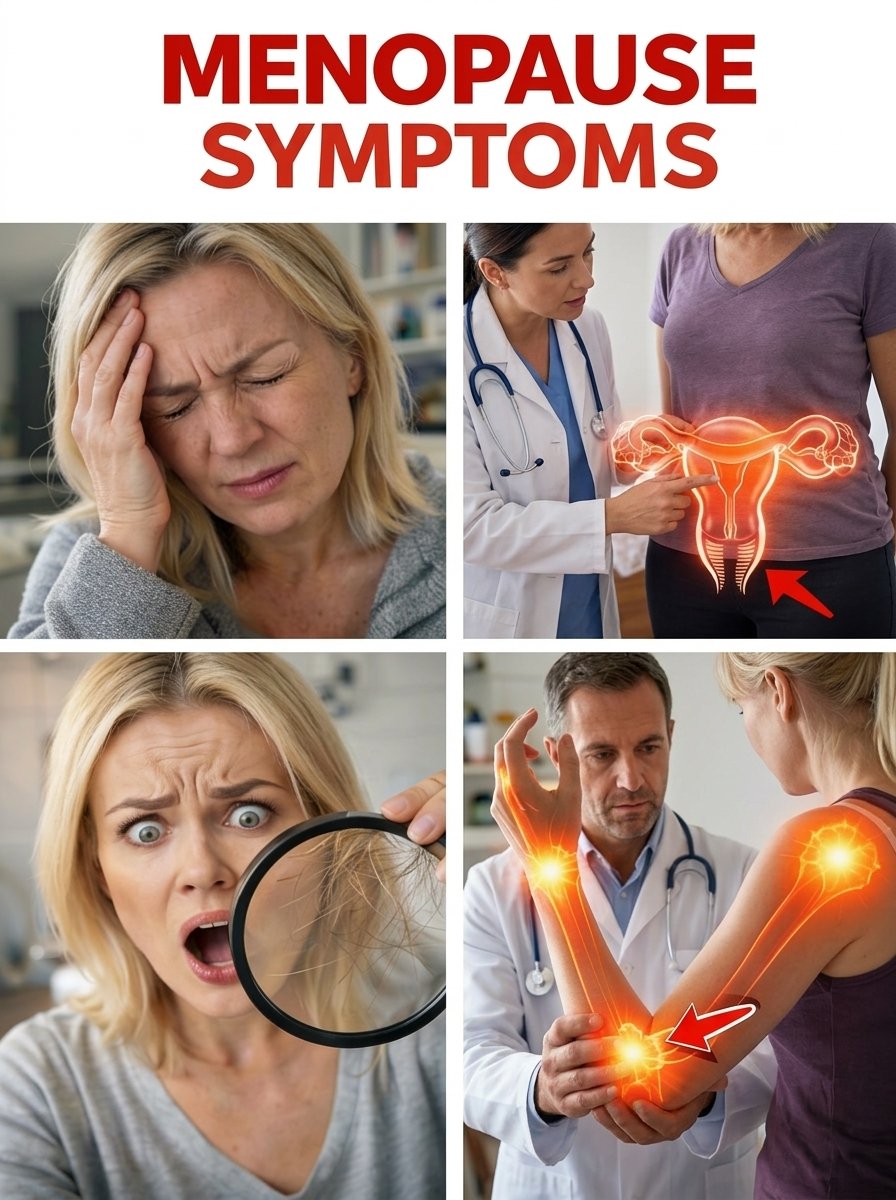
Recognizing the symptoms early is essential for seeking proper medical care and maintaining quality of life. The sooner the condition is identified, the greater the chances of managing its effects and preventing future complications.
1. Irregular Menstrual Cycles
One of the earliest signs is a change in menstrual patterns. Periods may become shorter, longer, heavier, lighter, or even disappear for several months. Sudden changes in cycle frequency deserve attention, especially when pregnancy or other obvious causes have been ruled out.
2. Frequent Hot Flashes
Hot flashes can appear unexpectedly, causing an intense sensation of heat in the face, neck, and chest. Many women also experience skin redness and excessive sweating, even in cool environments.
3. Night Sweats
Waking up in the middle of the night with soaked clothing or bed sheets may indicate significant hormonal changes. Besides being uncomfortable, this symptom can disrupt sleep quality and contribute to daytime fatigue.
4. Difficulty Sleeping
A decline in estrogen levels can directly affect sleep. Insomnia, frequent awakenings, and feeling unrested after a full night’s sleep are common complaints among women entering menopause earlier than expected.
5. Mood Changes
Anxiety, irritability, sudden sadness, and emotional fluctuations may become more frequent. These symptoms are often mistaken for stress or psychological issues when they are actually linked to hormonal changes.
6. Vaginal Dryness
Reduced estrogen levels can decrease natural lubrication, causing discomfort, irritation, and pain during sexual activity. This symptom can affect both intimate health and self-confidence.
7. Reduced Libido
Hormonal changes can also lower sexual desire. In addition to physical effects, fatigue, emotional changes, and vaginal discomfort may further contribute to a decreased interest in intimacy.
8. Memory and Concentration Problems
Many women report difficulty focusing, frequent forgetfulness, and a feeling of mental fog. While not always severe, these symptoms can interfere with daily activities and work performance.
9. Unexpected Weight Gain
Metabolism tends to slow down during hormonal transitions. As a result, women may experience increased abdominal fat and find it more difficult to maintain a healthy weight, even without significant dietary changes.
10. More Fragile Skin, Hair, and Nails
Hormonal decline directly affects collagen production and tissue health. The skin may become drier, hair may become thinner, and nails may become more brittle.
Why Early Menopause Deserves Attention
Beyond the uncomfortable symptoms, early menopause may increase the risk of osteoporosis, cardiovascular disease, and reduced bone density. Therefore, it is not merely a reproductive change but a condition that can influence a woman’s overall health for many years.
Maintaining a balanced diet, exercising regularly, managing stress, and attending routine medical checkups can help protect the body during this transition.
If you notice several of these signs before the age of 45, seek medical advice. Early diagnosis can help manage symptoms and prevent future health problems, allowing for a healthier and safer transition.