 By admin
 🚨 Catch these 10 warning signs early — it could prevent a heart attack before it happens.
Have you ever felt a strange tightness in your chest and brushed it off as stress or indigestion? Maybe you’ve blamed your exhaustion on aging, long work hours, or poor sleep. But what if your body was trying to warn you about something far more serious?
Here’s a shocking truth: a large percentage of heart attack victims overlook early warning signs. They mistake subtle symptoms for minor issues—until it’s too late.
Pause for a moment. On a scale from 1 to 10, how aware are you of your heart health right now?
If that number isn’t a confident 9 or 10, keep reading. The next few minutes could change—or even save—your life.
The Hidden Danger of Blocked Arteries
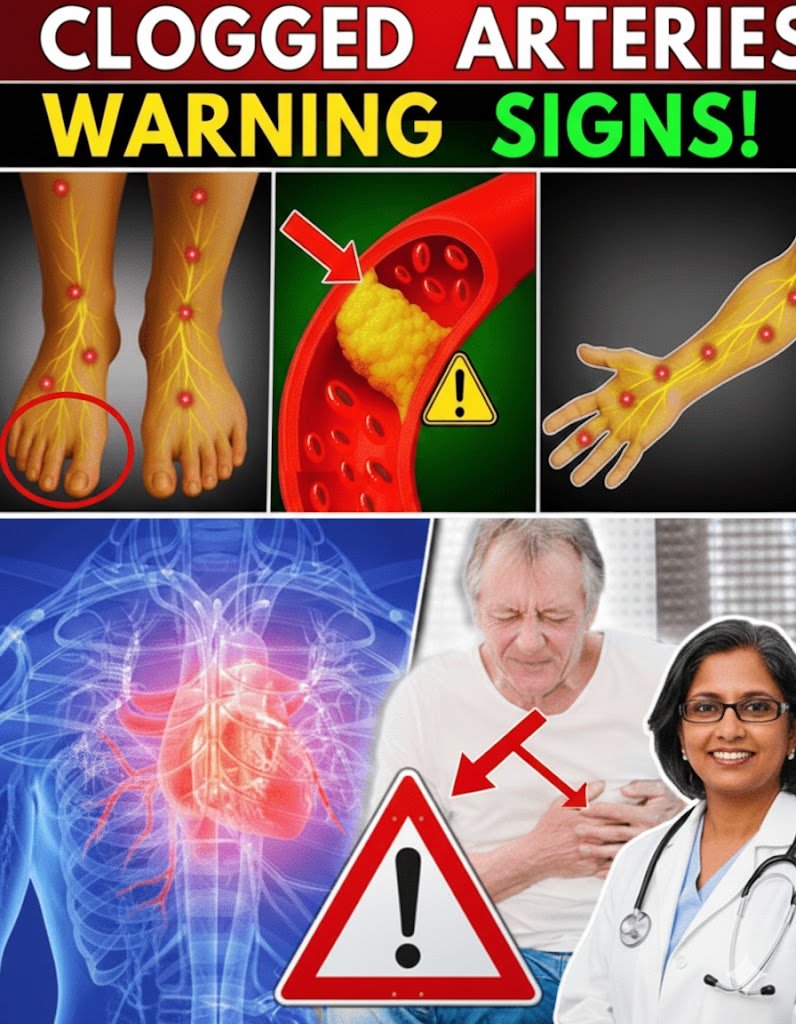
Blocked arteries (atherosclerosis) develop when fatty deposits build up inside blood vessels, restricting blood flow to the heart. Over time, this silent process can lead to heart attack, stroke, or permanent heart damage.
The most dangerous part? Symptoms often start subtly.
Many people over 40 experience fatigue, body aches, or shortness of breath and assume it’s “just aging.” But ignoring these signals delays early intervention—when treatment is most effective.
Let’s uncover the 10 critical warning signs you should never dismiss.
1. Persistent Chest Discomfort
A feeling of pressure, tightness, squeezing, or heaviness in the chest is one of the most common warning signs. It may come and go or last several minutes.
Many people describe it as:
-
A heavy weight on the chest
-
Burning mistaken for heartburn
-
Mild pressure that gradually worsens
If your chest discomfort rates above 3 out of 10 and keeps returning, seek medical evaluation immediately.
2. Shortness of Breath
Do you feel winded after light activity, such as climbing stairs or walking short distances?
When arteries are blocked, the heart struggles to pump enough oxygen-rich blood. Breathlessness may appear:
-
During exertion
-
While lying down
-
Even at rest in more severe cases
Unexplained breathlessness is never normal.
3. Unusual, Persistent Fatigue
Extreme fatigue that doesn’t improve with rest can signal poor circulation.
If you:
-
Sleep well but wake exhausted
-
Feel drained performing routine tasks
-
Notice a sudden drop in stamina
Your heart may not be delivering enough blood to your muscles and tissues.
4. Jaw or Neck Pain
Heart-related pain doesn’t always stay in the chest. It can radiate to:
-
Jaw
-
Neck
-
Upper back
This discomfort is often mistaken for muscle strain or dental issues. If jaw pain appears alongside fatigue or chest discomfort, don’t ignore it.
5. Arm or Shoulder Pain (Especially Left Side)
Pain or heaviness in the left arm is a classic heart attack warning sign. It may:
-
Spread from the chest outward
-
Feel like pressure or numbness
-
Occur without obvious injury
Even subtle arm discomfort deserves attention.
6. Nausea or Indigestion
Many people assume nausea is digestive trouble. However, heart-related nausea often appears with:
-
Sweating
-
Chest pressure
-
Lightheadedness
If stomach discomfort feels unusual or intense, especially with other symptoms, seek help.
7. Sudden Sweating Without Cause
Cold sweats—especially when not related to heat or exercise—can signal heart distress.
If you suddenly feel:
-
Clammy
-
Pale
-
Sweaty while at rest
This may indicate your body is reacting to reduced blood flow.
8. Dizziness or Lightheadedness
Blocked arteries can reduce blood flow to the brain, causing:
-
Faintness
-
Balance problems
-
Feeling like you might pass out
Frequent unexplained dizziness should never be ignored.
9. Irregular Heartbeat
Heart palpitations, fluttering, or skipped beats may indicate cardiovascular stress.
Occasional brief palpitations can be harmless. But persistent irregular rhythms combined with other symptoms require immediate evaluation.
10. Swelling in Legs, Ankles, or Feet
When the heart struggles to pump efficiently, fluid may accumulate in the lower body.
Swelling (edema) may appear as:
-
Puffy ankles
-
Tight shoes by evening
-
Indentations after pressing the skin
This is a late but serious warning sign.
Why Awareness Changes Everything
The difference between survival and tragedy often comes down to recognition.
Many people ignore early signals because:
-
The symptoms seem mild
-
They come and go
-
Life feels too busy to pause
But early detection dramatically improves outcomes.
Imagine 30 days from now—confident, proactive, and aware of your heart health instead of uncertain and anxious.
Simple Monitoring Tips
To protect your heart:
-
Check your pulse daily
-
Monitor blood pressure weekly
-
Keep a symptom journal
-
Track how long symptoms last
-
Never ignore symptoms that persist beyond 48 hours
If any of these signs rate above mild intensity or appear together, seek medical care immediately.
Final Thought
Your heart rarely “fails without warning.” It whispers before it screams.
Listen carefully.
Bookmark this guide. Share it with someone you love. And tonight, take one small step—check in with your body.
Because awareness isn’t fear.
It’s protection.