 By admin
 Don’t ignore these 12 red flags. Early detection can prevent anemia, chronic inflammation, and fertility struggles. Your health is worth the attention.
Have you ever told yourself, “It’s just my period,” while quietly wondering if what you’re feeling is truly normal? Heavy bleeding, pelvic pain, sudden fatigue—many women push through these symptoms for years. But what if your uterus has been trying to get your attention all along?
Take a moment and rate your cycle, pelvic comfort, and energy on a scale from 1 to 10. Are you really confident everything is balanced? If there’s even a hint of doubt, keep reading. Early awareness could protect your fertility, vitality, and long-term health.
Many uterine conditions—such as fibroids, endometriosis, hormonal imbalances, or polyps—develop gradually. The body whispers before it screams. Recognizing the signs early makes all the difference.
Here are 12 warning signals you should never ignore:
1. Irregular Periods
If your cycle suddenly becomes unpredictable—too long, too short, or frequently skipped—it may signal hormonal imbalance, thyroid issues, PCOS, or structural changes in the uterus.
2. Heavy Menstrual Bleeding
Soaking through pads or tampons every hour, bleeding longer than 7 days, or passing large clots is not “just a heavy period.” Persistent heavy bleeding can lead to anemia, weakness, and dizziness.
3. Severe Menstrual Cramps
Mild discomfort is common. But debilitating pain that forces you to miss work or social events may be linked to endometriosis or fibroids.
4. Pelvic Pain Outside Your Period
Constant or recurring pelvic pressure, aching, or sharp pain unrelated to menstruation may point to cysts, inflammation, or other underlying conditions.
5. Pain During Intimacy
Intercourse should not be painful. Persistent discomfort can be associated with endometriosis, infections, or structural abnormalities.
6. Unusual Vaginal Discharge
A strong odor, unusual color, or thick texture may indicate infection. Healthy discharge is typically clear or white with a mild scent.
7. Frequent Urination or Bladder Pressure
If you constantly feel the urge to urinate, especially without infection, an enlarged uterus or fibroids pressing on the bladder could be the cause.
8. Lower Back Pain
Chronic lower back discomfort—especially when linked to your cycle—may reflect uterine conditions affecting nearby nerves and tissues.
9. Unexplained Fatigue
Ongoing exhaustion, particularly alongside heavy periods, may signal iron deficiency due to blood loss.
10. Difficulty Getting Pregnant
Structural abnormalities, endometrial issues, or chronic inflammation can interfere with implantation and fertility.
11. Spotting Between Periods
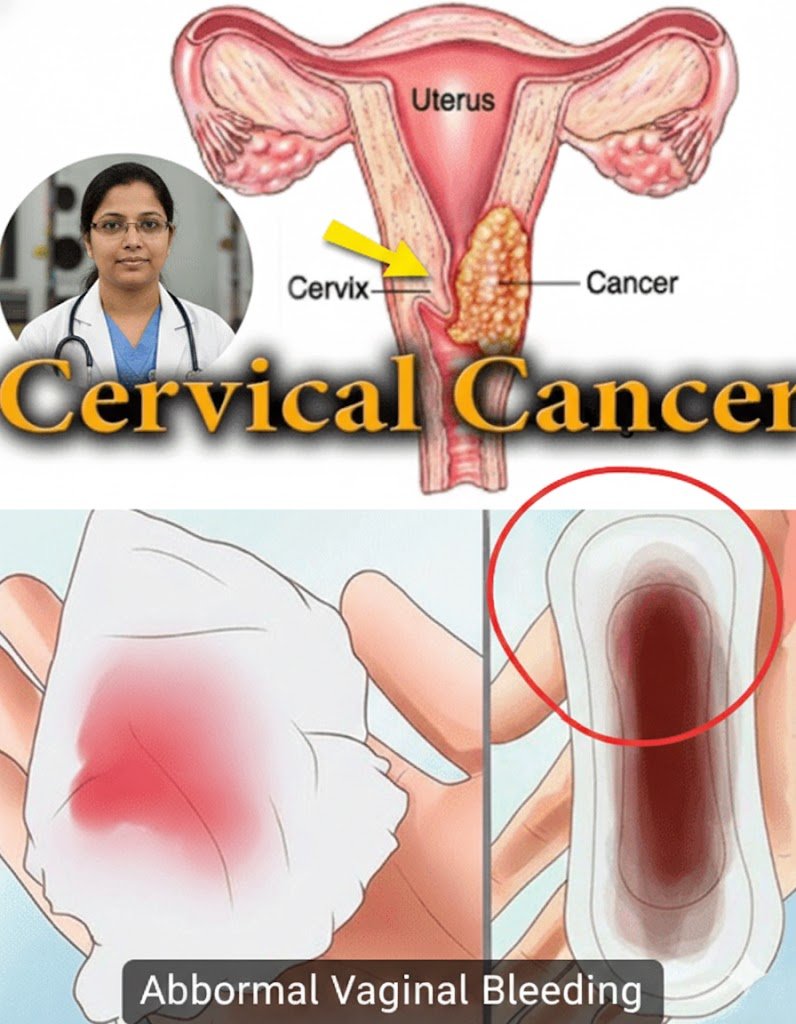
Bleeding outside your regular cycle or after menopause should always be evaluated. It may be related to polyps, hormonal shifts, or more serious concerns.
12. Persistent Bloating or Abdominal Enlargement
If your abdomen feels swollen or clothes suddenly fit tighter without weight gain, fibroids, cysts, or fluid retention may be involved.
When Should You Seek Medical Care?
Seek prompt evaluation if you experience:
-
Bleeding after menopause
-
Soaking protection hourly
-
Severe, worsening pelvic pain
-
Signs of anemia (pale skin, dizziness, rapid heartbeat)
Keeping a simple symptom journal—tracking dates, pain intensity, flow level, and mood—can significantly improve the quality of your medical visit.
Listen to Your Body
Too many women normalize discomfort. But pain, extreme bleeding, and persistent changes are not badges of strength—they are signals.
Imagine 30 days from now: more predictable cycles, renewed energy, relief from pain, and peace of mind. That journey begins with awareness.
If any of these signs feel familiar, don’t delay. Schedule a check-up, track your symptoms, and share this information with someone you care about. Early action protects your health, your fertility, and your future.
This article is for informational purposes only and does not replace professional medical advice. Always consult a qualified healthcare provider for diagnosis and personalized care.