 By admin
 “Swollen ankles? Foamy pee? It’s not just salt or aging—it could be early kidney damage.”
Have you been brushing off subtle symptoms like puffiness around your eyes, foamy urine, or unexplainable fatigue? You might think it’s just aging, stress, or a salty meal. But what if these signs are actually your kidneys quietly crying out for help?
Chronic kidney disease (CKD) is known as the “silent killer” for a reason—it affects over 37 million Americans, yet most have no clue until significant damage has occurred. Early signs are often mild and easy to overlook. But ignoring them could lead to permanent loss of kidney function, dialysis, or worse.
What Is Proteinuria & Why It Matters
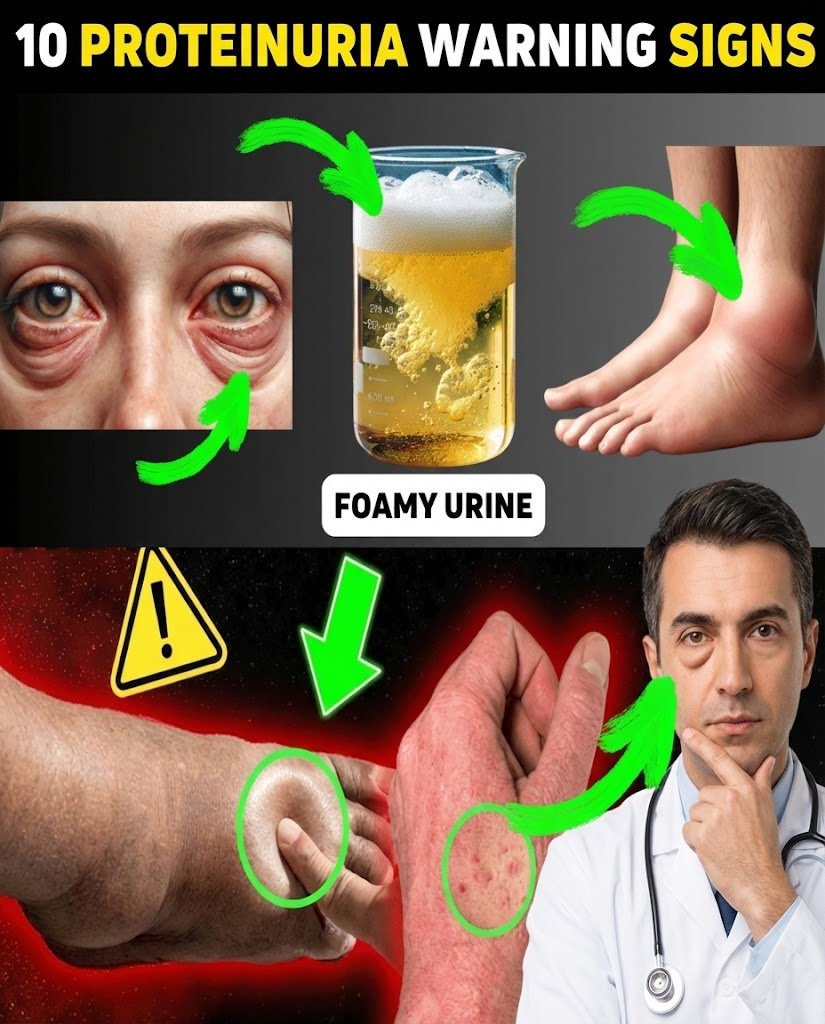
Proteinuria, or excess protein in the urine, is one of the earliest red flags of kidney dysfunction. Healthy kidneys keep essential proteins in the bloodstream. When they’re damaged, proteins leak into urine, signaling that the filtration system is under stress. Catching this early can allow for lifestyle changes that prevent long-term damage.
Top 10 Warning Signs of Kidney Trouble You Mustn’t Ignore:
- Foamy or Bubbly Urine
Looks like beer foam that lingers after flushing? Persistent bubbles indicate protein leakage. This is the most specific and overlooked sign of proteinuria. - Swelling in Ankles, Feet, Hands, or Face
Fluid retention due to low albumin can cause puffiness, especially around the eyes in the morning or ankles by evening. - Unexplained Fatigue
Tired no matter how much you rest? When kidneys don’t function properly, waste builds up and reduces oxygen-carrying red blood cells, causing fatigue. - Metallic Taste or Ammonia Breath
Taste changes or breath that smells like ammonia can result from waste accumulation, often mistaken for dental issues. - Loss of Appetite or Unexplained Weight Loss
Nausea and early satiety caused by toxin buildup can suppress appetite and cause weight loss without trying. - Brain Fog or Difficulty Concentrating
Toxin accumulation in the blood can impair brain function, leading to forgetfulness or mental fatigue. - High Blood Pressure
Hard-to-control BP may indicate kidney damage, as the kidneys help regulate blood pressure. - Frequent Nighttime Urination
Waking up several times a night to urinate may mean kidneys are losing their ability to concentrate urine. - Cloudy or Bloody Urine
Pink, dark, or cloudy urine could indicate blood or infection due to damaged kidney filters. - Persistent Itching or Dry Skin
Buildup of waste in the blood can cause skin irritation and dryness, often mistaken for a dermatological issue.
What You Should Do Right Now
If you recognize any of these signs, don’t wait. Schedule a check-up and ask for a urinalysis and kidney function test (eGFR, creatinine, and urine albumin-to-creatinine ratio). Track symptoms daily, reduce sodium intake, stay hydrated, and avoid excessive use of pain relievers like ibuprofen.
Prevention Starts with Awareness
Early detection can save your kidneys. The body whispers before it screams—listen to those whispers. Protect your health before it’s too late.
Act now. Share this with someone over 40 or with high blood pressure or diabetes. Then, look closely at your next urine stream. Persistent foam? It might be the sign you need to catch kidney issues early.
This article is for informational purposes only and does not replace professional medical advice. Please consult your healthcare provider for diagnosis and treatment.