 By admin
 🔥 Hot flashes, insomnia, mood swings? It’s not “just aging.” Discover natural ways to calm hormones and feel like yourself again.
Have you been waking up at 3 a.m. drenched in sweat… snapping at people you love… or walking into a room and forgetting why you’re there?
And then telling yourself, “It’s just stress.”
Or, “I must be getting older.”
What if these changes aren’t random at all?
Millions of women move through menopause feeling confused, unprepared, and even worried that something is “wrong.” Yet up to 75% experience hot flashes, and nearly 80% report symptoms that disrupt sleep, mood, or daily life. The truth? This transition is natural—but that doesn’t mean it’s easy.
Before you dismiss what you’re feeling, pause for a moment.
On a scale of 1–10, how “off” have you felt lately?
If that number surprised you, keep reading. Recognizing the signs early can transform this phase from frustrating to empowering.
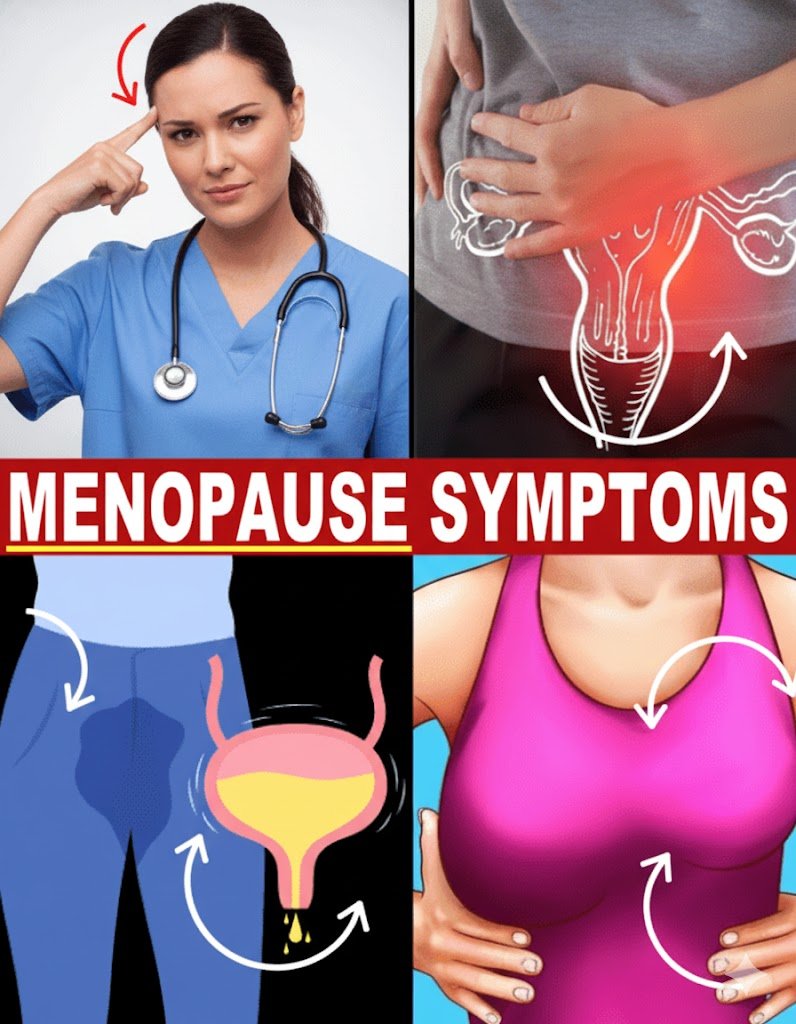
Sign 1: Sudden, Intense Hot Flashes & Night Sweats
A wave of heat rises from your chest to your face. Your skin flushes, sweat beads instantly, and your heart races. Minutes later, you’re chilled.
Hot flashes are one of the most common menopause symptoms and can last for years. Night sweats often follow, interrupting sleep and leaving you exhausted.
Support tips:
-
Wear breathable, layered clothing.
-
Practice slow, paced breathing during a flash.
-
Keep your bedroom cool and consider moisture-wicking sheets.
Sign 2: Insomnia & Fragmented Sleep
You can’t fall asleep. Or you wake repeatedly—even without hot flashes. And in the morning, you feel unrefreshed.
Declining estrogen affects melatonin and serotonin pathways, making deep sleep harder to maintain.
Support tips:
-
Maintain a consistent bedtime routine.
-
Avoid caffeine after early afternoon.
-
Limit screens at least one hour before bed.
-
Consider calming herbal teas like chamomile or lemon balm.
Sign 3: Mood Swings & Emotional Sensitivity
Calm one moment. Tearful the next. Irritated over small things—and then guilty about it.
Hormonal fluctuations influence neurotransmitters like serotonin, affecting emotional regulation.
Support tips:
-
Gentle daily movement (walking, yoga).
-
Magnesium-rich foods (leafy greens, seeds).
-
Mindfulness or journaling to process emotions.
Sign 4: Increased Anxiety or Low Mood
You may feel restless, worried, or emotionally heavy without a clear cause.
Estrogen interacts with the brain’s stress and emotional centers. When levels shift, resilience can dip.
Quick check:
On a scale of 1–5, how often do anxious thoughts interrupt your day?
Sign 5: Migraines or Worsening Headaches
Hormonal changes can alter blood vessel tone and pain pathways, triggering new migraines or intensifying old ones.
Support tips:
-
Stay hydrated.
-
Track triggers (sleep, certain foods, stress).
-
Include omega-3 rich foods like flaxseed or wild fish.
Sign 6: Brain Fog & Memory Lapses
Struggling to find words. Losing focus. Forgetting small tasks.
Estrogen supports memory centers in the brain. During transition, cognitive sharpness may temporarily dip.
Support tips:
-
Prioritize sleep.
-
Engage in brain games or learning new skills.
-
Eat antioxidant-rich foods (berries, green tea).
Sign 7: Thinning Hair or Texture Changes
Hair may shed more or feel finer than before. The balance between estrogen and androgens shifts, shortening the hair growth cycle.
Support tips:
-
Ensure adequate protein intake.
-
Include biotin-rich foods (eggs, nuts).
-
Avoid harsh heat styling.
Sign 8: Dry Eyes & Vaginal Dryness
Scratchy eyes. Discomfort during intimacy. Increased sensitivity.
Reduced estrogen can thin mucous membranes throughout the body.
Support tips:
-
Stay hydrated.
-
Include healthy fats (avocado, olive oil).
-
Speak with a healthcare provider if discomfort persists.
Sign 9: Changes in Body Odor
You might notice your natural scent has shifted. Hormonal changes can influence sweat composition and skin bacteria.
Support tips:
-
Wear natural, breathable fabrics.
-
Use gentle, plant-based cleansers.
-
Support liver health with cruciferous vegetables like broccoli and kale.
The Bigger Picture
These aren’t random annoyances. They’re interconnected signals of a powerful hormonal transition.
Many women try quick fixes—extra coffee for energy, wine for sleep, ignoring symptoms entirely. But surface solutions rarely work long-term because they don’t address the underlying hormonal shifts.
Instead, start with awareness.
Track your symptoms in a journal or app. Patterns reveal your personal menopause signature surprisingly fast.
Understanding the Timeline
Perimenopause (4–10 years):
Cycles become irregular. Symptoms begin. Tracking and lifestyle support are key.
Menopause (12 months without a period):
Official milestone. Focus shifts to bone and heart health.
Postmenopause:
Long-term wellness, strength training, and preventive care become priorities.
Gentle Self-Care That Makes a Difference
-
Strength training 2–3 times weekly for bone and mood support.
-
Omega-3s and phytoestrogen-rich foods (flax, soy in moderation).
-
Consistent sleep schedule.
-
Daily stress reduction rituals—even 10 minutes matters.
This article is for informational purposes only and does not replace professional medical advice. If symptoms are severe, persistent, or affecting your quality of life, consult a qualified healthcare provider for personalized evaluation.
Imagine 30 days from now:
You recognize your patterns. You’ve made small, intentional shifts. Sleep is deeper. Hot flashes feel manageable. Your mood feels steadier.
Menopause isn’t an ending. It’s a recalibration.
The women who thrive through this phase aren’t the ones who ignore it—they’re the ones who understand it.
So tonight, ask yourself:
What’s one gentle step I can take toward supporting my body?
Your empowered next chapter starts with awareness.