 By admin
 Bad breath and yellow stains? These 9 natural solutions help restore freshness and protect your gums.
Have you ever brushed your teeth carefully—twice a day—only to still feel that rough film when you run your tongue across them? Or noticed a slight yellow tint that refuses to disappear, no matter how much you rinse or polish?
What if the secret to a cleaner, fresher smile isn’t harsher products—but gentler, consistent natural habits that support your mouth’s natural balance?
If you’re tired of stubborn buildup, occasional bad breath, or sensitive gums, read to the end. These simple, kitchen-friendly strategies may help you support your oral health naturally—while still respecting the importance of professional dental care.
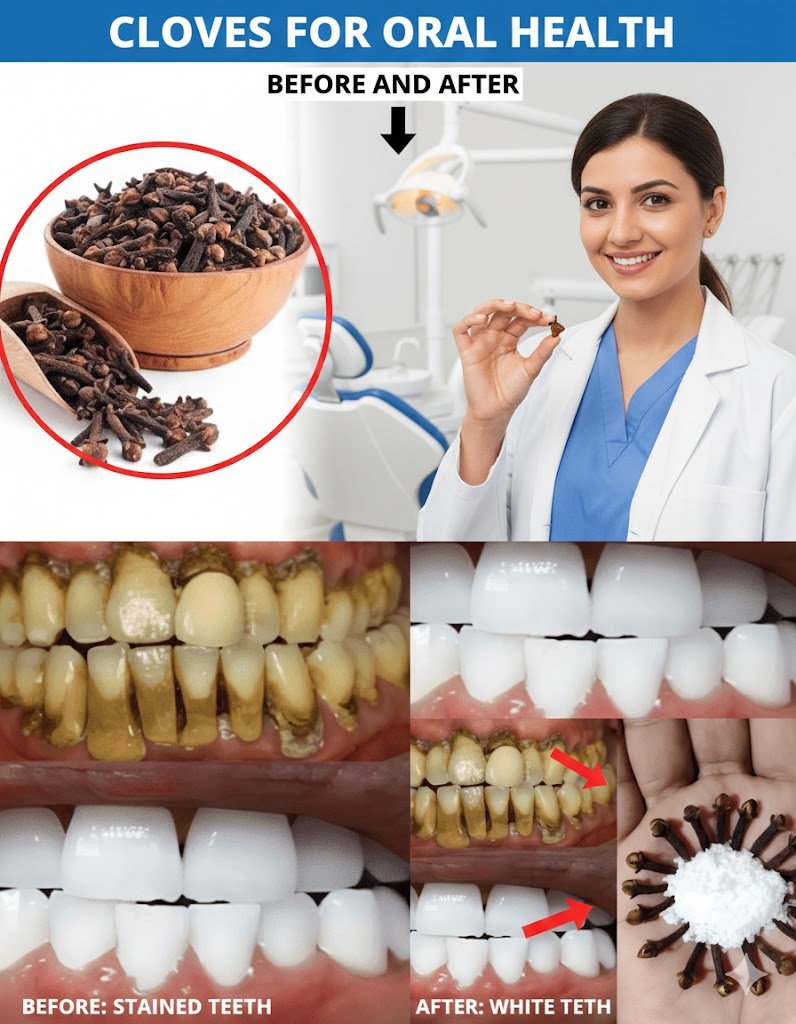
Why Plaque & Tartar Happen
Plaque is a soft, sticky film made of bacteria and food particles. If not removed regularly, it hardens into tartar—a mineralized deposit that can only be removed professionally. Coffee, tea, sugar, stress, and busy schedules all create an environment where plaque builds faster.
The key? Soften, disrupt, and prevent buildup consistently—without damaging enamel.
Let’s explore nine natural approaches that may complement your daily brushing and flossing routine.
1. Orange Peel Rub (Gentle Surface Polish)
Rubbing the inner white part of a fresh orange peel on your teeth for 1–2 minutes may help loosen early plaque.
Why it may help:
Orange peel contains vitamin C and natural compounds that may inhibit bacterial adhesion. The mild friction can gently polish surface debris.
How to use:
-
Rub inner peel on teeth
-
Rinse thoroughly
-
Use 2–3 times per week
Precaution: Avoid aggressive rubbing to protect enamel.
2. Tomatoes for Gum Support
Fresh tomatoes provide vitamin C and antioxidants like lycopene.
Why it may help:
Vitamin C supports collagen health in gums and may reduce inflammation.
How to use:
-
Add raw tomatoes to meals
-
Optional: gently rub a slice on teeth, then rinse
3. Baking Soda & Sea Salt Paste
A traditional mild abrasive blend.
Why it may help:
Baking soda neutralizes acids and gently disrupts plaque. Salt may provide mild antimicrobial support.
How to use:
-
Mix a small pinch baking soda + fine salt with water
-
Brush gently
-
Use only 2–4 times per month
Precaution: Overuse can wear enamel.
4. Diluted Lemon Rinse (Use Carefully)
Why it may help:
Citric acid can temporarily disrupt bacteria.
How to use safely:
-
Dilute lemon juice 1:3 with water
-
Swish 30–60 seconds
-
Rinse with plain water
-
Wait 30 minutes before brushing
Important: Limit to 1–2 times weekly. Excess acid erodes enamel.
5. Coconut Oil Pulling
An ancient Ayurvedic practice.
Why it may help:
Coconut oil contains lauric acid, which shows antimicrobial potential in laboratory studies.
How to use:
-
Swish 1 tablespoon coconut oil for 10–15 minutes
-
Spit out (never swallow)
-
Rinse and brush
Practice daily or 3–4 times weekly.
6. Sesame Seed Chewing
Used traditionally for natural polishing.
How to use:
-
Chew a small handful 2–3 minutes
-
Spit out
-
Brush gently afterward
The mild abrasiveness may help loosen plaque mechanically.
7. Clove & Olive Oil Paste
Cloves contain eugenol, known for soothing and antibacterial properties.
How to use:
-
Crush 1–2 cloves
-
Mix with a few drops olive oil
-
Apply gently to gums
-
Rinse after a few minutes
Use 1–2 times weekly for gum comfort.
8. Aloe Vera Gum Massage
Aloe is widely used for its calming properties.
How to use:
-
Apply fresh aloe gel to gums
-
Massage gently
-
Rinse
May help soothe irritated tissues and support healing.
9. The True Foundation: Daily Habits
No remedy replaces proper technique.
-
Use a soft-bristled brush
-
Brush 2 minutes, twice daily
-
Floss daily
-
Stay hydrated
-
Reduce sugar intake
-
Schedule regular dental cleanings
Consistency is more powerful than any single trick.
The Real Secret? Gentle Consistency.
Imagine 30 days from now: smoother teeth, freser breath, and more confidence when you smile in photos.
Small habits—done regularly—create lasting results. Choose one or two supportive methods and combine them with proper brushing and flossing. Avoid overdoing acidic or abrasive treatments.
And always consult your dentist before adding new oral care practices, especially if you have gum disease, sensitivity, or enamel erosion.
Your smile doesn’t need harsh fixes. It needs steady care.