 By admin
 Chronic cough? Low stamina? These 8 proven habits may help strengthen your lungs and prevent future respiratory decline.
Have you ever climbed a short flight of stairs and felt more winded than you expected? Or noticed that your breath doesn’t feel as full and effortless as it once did?
Here’s a simple question: On a scale of 1–10, how easy does your breathing feel during daily activities? Hold that number in your mind.
Many people assume breathlessness is “just aging.” But research shows millions of adults live with reduced lung function or chronic respiratory symptoms—often without realizing it. The good news? Small, consistent daily habits can dramatically protect and even improve lung resilience over time.
Keep reading to discover 8 simple, science-supported habits that can help you breathe easier for decades to come.
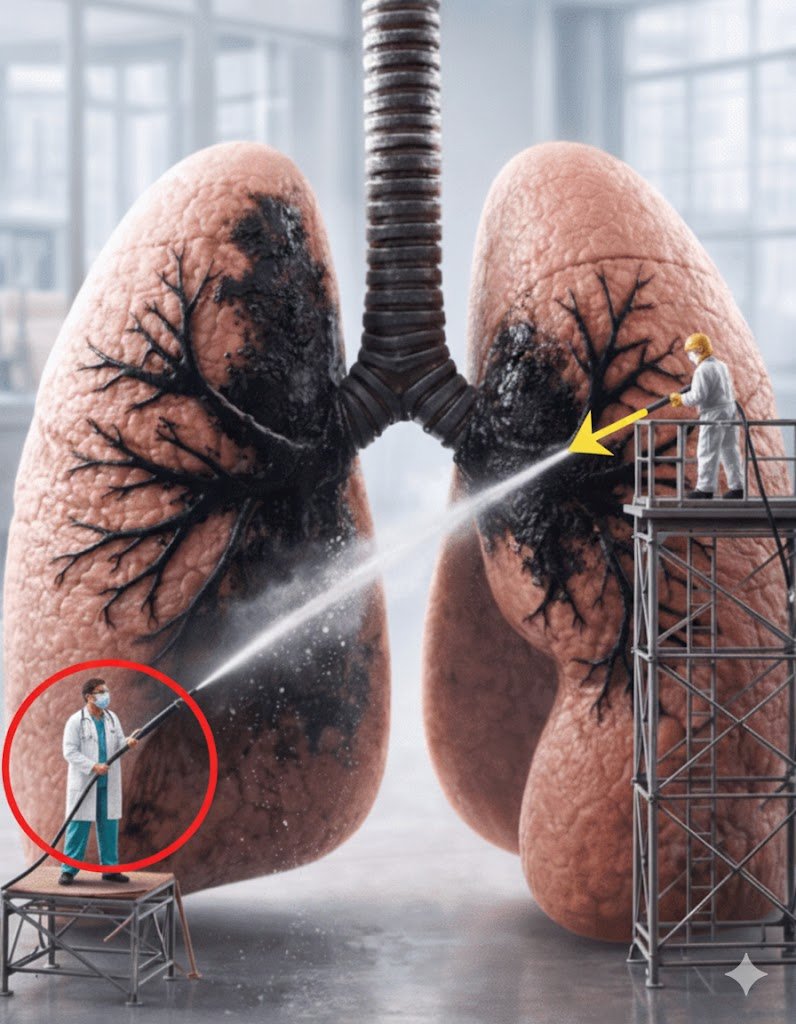
The Silent Decline Most People Miss
Subtle signs—morning cough, tight chest, fatigue after mild effort—are often ignored. Yet long-term exposure to smoke, pollution, poor air quality, inactivity, and inflammation slowly weakens lung tissue.
Lung health doesn’t suddenly collapse. It gradually declines.
The empowering truth? Your daily choices matter more than you think.
Habit #1: Eliminate Smoking and Avoid Secondhand Smoke
Smoking remains the leading cause of preventable lung damage. It inflames airways, destroys delicate air sacs, and accelerates functional decline.
Quitting smoking—even after years—can:
-
Slow further lung damage
-
Improve circulation
-
Reduce chronic coughing
-
Increase energy levels
Avoiding secondhand smoke is equally important. Even passive exposure contributes to long-term respiratory irritation.
This single decision has the greatest protective impact on lung health.
Habit #2: Practice Daily Deep Breathing
Most adults breathe shallowly, especially under stress.
Try the 4-2-6 breathing technique:
-
Inhale through your nose for 4 seconds
-
Hold for 2 seconds
-
Exhale slowly through your mouth for 6 seconds
-
Repeat for 5–10 minutes daily
Studies in pulmonary rehabilitation show diaphragmatic and pursed-lip breathing:
-
Improve oxygen exchange
-
Strengthen respiratory muscles
-
Clear trapped air
-
Reduce breathlessness
It costs nothing—and may unlock unused lung capacity.
Habit #3: Stay Physically Active
Movement strengthens your respiratory muscles just like it strengthens your legs or arms.
Aim for:
-
30 minutes of brisk walking, swimming, or cycling most days
-
Gentle progression if you’re currently inactive
Regular aerobic exercise:
-
Improves oxygen delivery
-
Enhances lung efficiency
-
Slows age-related decline
If breathlessness discourages you, start small. Even 10-minute sessions count.
Habit #4: Improve Indoor Air Quality
Indoor air can be more polluted than outdoor air.
Simple upgrades:
-
Open windows daily for ventilation
-
Use HEPA air purifiers if possible
-
Reduce chemical cleaning products
-
Avoid synthetic fragrances
-
Add air-supportive houseplants
Cleaner indoor air reduces airway irritation and inflammation—often within days.
Habit #5: Eat Foods That Support Lung Health
Inflammation and oxidative stress contribute to lung aging.
Support your lungs with:
-
Berries (rich in antioxidants)
-
Leafy greens
-
Cruciferous vegetables
-
Fatty fish (salmon, sardines) rich in omega-3s
-
Nuts and seeds
Research suggests omega-3 fatty acids and antioxidant-rich diets may help maintain lung function and reduce inflammatory burden.
Simple strategy:
-
A handful of berries daily
-
Fatty fish twice per week
Food is long-term protection.
Habit #6: Stay Well Hydrated
Hydration is often overlooked.
When you’re dehydrated:
-
Mucus thickens
-
Airways become harder to clear
-
Irritation increases
Drink water consistently throughout the day rather than large amounts at once. Proper hydration helps thin mucus and supports natural airway cleansing.
A good general target: clear to light-yellow urine.
Habit #7: Limit Outdoor Pollution Exposure
Air pollution irritates airways and worsens respiratory symptoms.
Protect yourself by:
-
Checking local Air Quality Index (AQI)
-
Avoiding outdoor exercise during high pollution days
-
Walking in parks instead of traffic-heavy streets
-
Wearing a protective mask in heavily polluted areas
Small adjustments reduce cumulative lung stress.
Habit #8: Schedule Regular Health Checkups
Mild breathlessness is often dismissed. But early detection of lung changes allows timely intervention.
Routine checkups may include:
-
Breathing assessments
-
Risk evaluation
-
Personalized prevention advice
Catching changes early protects long-term function.
The Real Secret: Compounding Habits
One habit helps.
Two habits improve resilience.
All eight? That’s long-term protection.
Imagine 30 days from now:
-
Deeper, calmer breathing
-
More stable energy
-
Confidence during movement
Your lungs work quietly for you every second. The least we can do is support them intentionally.
Start today:
-
Choose one habit
-
Practice it consistently
-
Re-rate your breathing in 30 days
Your future self will thank you.
Important: This article is for educational purposes only and does not replace professional medical advice. If you experience persistent shortness of breath, chronic cough, chest pain, or other concerning symptoms, consult a qualified healthcare provider.