 By Trung Pham
 5 Essential Cancer Warning Signs: What Your Body Might Be Telling You
In the journey of health, even the most subtle shifts within our bodies can hold significant meaning. When it comes to the early detection of cancer, paying close attention to these minor indicators can truly be life-altering. Our physical selves frequently communicate through discreet cues when an underlying issue is present, yet these crucial warning signs of cancer are often mistakenly attributed to common daily stressors or simple tiredness. Overlooking persistent bodily changes that deviate from your normal health baseline can unfortunately postpone vital medical assessments, leaving you in a state of unease and uncertainty about your internal well-being. The persistent annoyance of unexplained symptoms that refuse to subside can disrupt your daily routine and progressively heighten anxiety.
However, there’s a powerful message of reassurance: identifying these early warning signs of cancer can pave the way for prompt medical evaluations and significantly improved health outcomes. As we delve deeper into this article, we’ll also uncover actionable steps you can implement immediately, along with a surprising perspective on cancer prevention that might just change your outlook.
⚡ Unexplained Weight Loss: A Critical Yet Often Missed Indicator
While shedding pounds effortlessly might initially feel like a positive development, significant unexplained weight loss stands out as a crucial warning sign of cancer that demands immediate attention. A rapid decrease in body weight, occurring without any conscious alterations to your dietary habits or exercise regimen, can be a red flag. It often suggests your body is reacting to an internal issue, raising concerns about potential underlying health conditions. Esteemed organizations like the American Cancer Society and Mayo Clinic highlight that this particular symptom of cancer is frequently associated with malignancies such as pancreatic, stomach, esophageal, or lung cancer, where tumors can disrupt metabolic processes or hinder nutrient absorption.
Beyond the physical transformation, the emotional impact of feeling progressively weaker or noticing clothes fitting loosely without a clear reason can compound stress. It’s imperative to understand that persistent, unexplained weight loss, particularly exceeding 10 pounds (approximately 4.5 kg), necessitates a consultation with a healthcare professional to rule out serious medical conditions. Key characteristics to observe include:
- A swift reduction of 5-10% of your body weight over a six-month period.
- Concurrently experiencing a diminished appetite or ongoing digestive problems.
- Weight loss appearing alongside unusual fatigue or other concerning symptoms.
Studies consistently demonstrate that a timely investigation into this early warning sign of cancer can significantly improve the chances of effective management and better health outcomes, should a diagnosis be made.
⚡ Persistent Fatigue: When Tiredness Signals Something Deeper
While occasional tiredness is a universal experience, an enduring, unyielding fatigue that fails to alleviate even after adequate rest represents another critical warning sign of cancer. This profound exhaustion can render even the simplest daily activities daunting, draining your energy and preventing you from engaging in cherished hobbies or social interactions, thereby negatively affecting your mood and personal relationships. Cancer-related fatigue is distinct from ordinary weariness; as highlighted by the American Cancer Society, it’s frequently associated with blood cancers like leukemias and lymphomas, or other malignancies that induce anemia through internal bleeding.
The frustration intensifies when sleep offers no relief, leaving you puzzled about the inexplicable depletion of your energy despite efforts to recuperate. The truth is, this particular symptom of cancer can manifest early in the disease progression, and addressing it without delay is key to uncovering its underlying causes. Common medical associations for this type of fatigue include:
- Hematological cancers such as leukemia or lymphoma.
- Gastrointestinal cancers like colon or stomach cancer, which can result in anemia.
- Fatigue that progressively worsens and significantly disrupts your daily functioning.
Research consistently underscores that persistent fatigue, particularly when it is a new and otherwise unexplained phenomenon, must not be overlooked as a potential warning sign of cancer.
⚡ Noticeable Skin Changes: Your Body’s Visible Indicators
Your skin serves as a remarkable canvas, often mirroring internal health dynamics. Consequently, unusual or significant skin changes represent vital warning signs of cancer that warrant vigilant observation. The discovery of a novel lesion or an alteration in an existing mole can immediately trigger apprehension, prompting fears of serious illness while simultaneously hoping for a benign explanation. According to guidelines from esteemed institutions like the Mayo Clinic and Cancer Research UK, these cancer symptoms encompass moles exhibiting changes in size, shape, or color (potentially indicative of melanoma), sores that fail to heal, or jaundice (yellowing of the skin or eyes) which can signal liver involvement.
The emotional burden of monitoring a suspicious spot that continues to evolve without resolution can be considerable. Nevertheless, proactive attention is paramount, as the skin frequently provides clues to more profound internal health challenges. Key observations to prioritize include:
- New or evolving moles, for which the ABCDE rule is a helpful guide:
- Asymmetry: One half doesn’t match the other.
- Border irregularity: Edges are ragged, notched, or blurred.
- Color variation: Different shades of brown, black, or even patches of pink, red, white, or blue.
- Diameter: Greater than 6 millimeters (about the size of a pencil eraser).
- Evolving: Changes in size, shape, color, or elevation, or any new symptom like bleeding, itching, or crusting.
- Sores, wounds, or scabs that do not heal within a few weeks.
- Yellowing of the skin or whites of the eyes (jaundice), or persistent, unexplained itching across the body.
Timely identification of these skin-related warning signs of cancer dramatically enhances the prognosis and treatment efficacy for skin cancers and other related conditions.
⚡ Ongoing Pain That Doesn’t Resolve
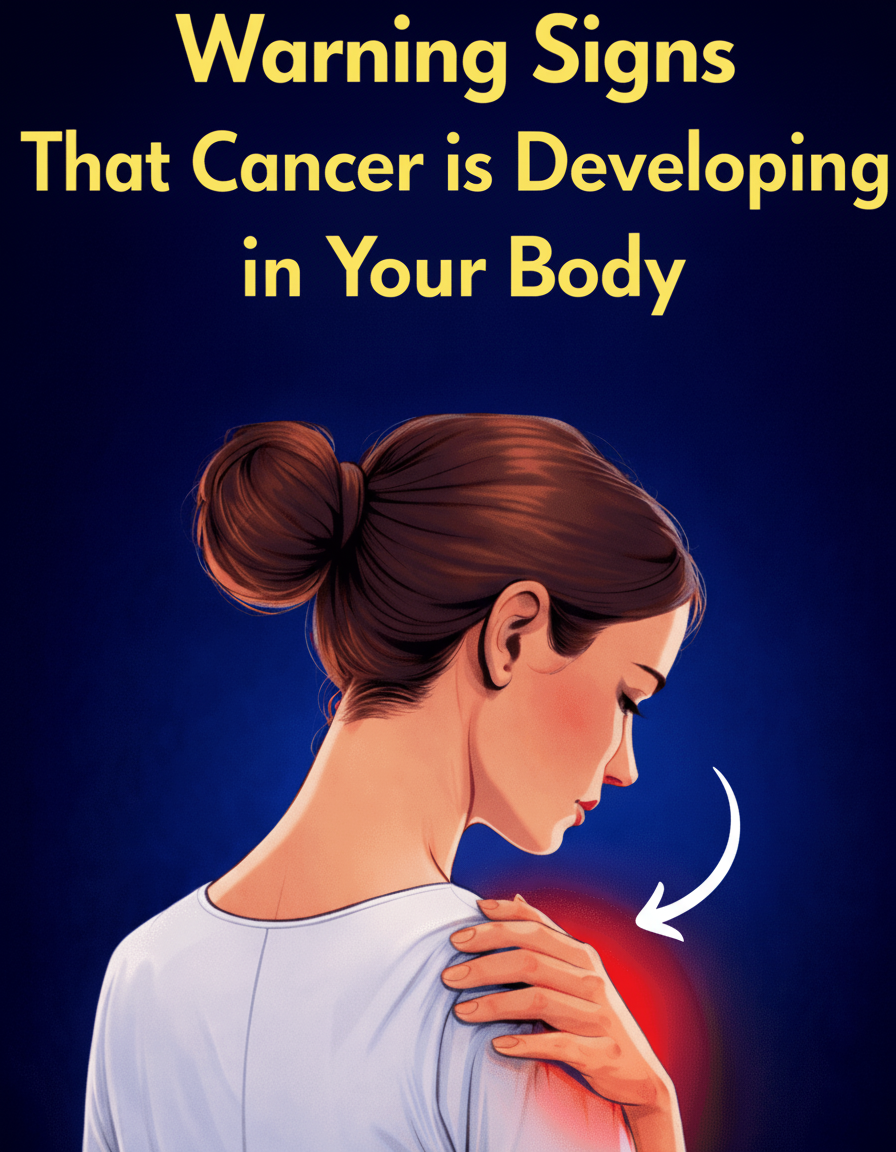
While experiencing pain is a common aspect of life, chronic discomfort that persists despite rest or the use of over-the-counter medications can be a significant warning sign of cancer. Enduring constant pain can severely diminish your quality of life, impeding your ability to concentrate on professional responsibilities, engage with family, or pursue personal interests. This particular symptom of cancer could originate from various sources, including bone tumors, brain tumors manifesting as persistent headaches, or malignancies affecting vital organs such as the ovaries or lungs, as affirmed by reputable organizations like the American Cancer Society.
The continuous presence of pain, especially when it is new, unexplained, and unrelenting, should prompt a medical evaluation. It’s not merely about the physical sensation; the mental and emotional toll of living with chronic discomfort can be immense. Key indicators that persistent pain warrants professional attention include:
- Pain that is new, worsening, or changes in character without an obvious cause.
- Discomfort that doesn’t improve with typical pain relievers or rest.
- Localized pain, such as persistent headaches, back pain, or abdominal pain, that doesn’t subside.
- Pain accompanied by other symptoms like unexplained weight loss, fatigue, or fever.
Ignoring such persistent pain can delay crucial diagnosis and treatment. Seeking prompt medical advice ensures that the cause of your discomfort can be identified and addressed appropriately, leading to better health outcomes.
⚡ Unusual Bleeding or Discharge: Don’t Dismiss These Signals
Any instance of unusual bleeding or discharge from any body opening should be regarded as a serious warning sign of cancer and promptly investigated by a medical professional. While many causes of bleeding or discharge are benign, certain patterns can be indicative of underlying malignancies. For example, blood in the stool or urine, abnormal vaginal bleeding (especially post-menopausal), or nipple discharge can all be critical indicators. Ignoring these signs can lead to significant delays in diagnosis, potentially impacting treatment efficacy.
The sight of blood or an unexpected discharge can be alarming, and understandably so. It’s crucial not to rationalize these occurrences as minor issues, particularly if they are persistent or recurrent. Specific types of cancer often associated with such symptoms include colorectal cancer (blood in stool), bladder or kidney cancer (blood in urine), endometrial or cervical cancer (abnormal vaginal bleeding), and breast cancer (nipple discharge or lumps). Key situations demanding immediate medical attention include:
- Blood in your stool, urine, or vomit.
- Unexplained vaginal bleeding, particularly after menopause or between periods.
- Persistent cough with bloody sputum.
- Nipple discharge, especially if it’s bloody or occurs spontaneously.
- Any unusual discharge that is persistent, foul-smelling, or associated with other symptoms.
Early reporting of unusual bleeding or discharge is paramount for early cancer detection. A timely visit to your doctor can help ascertain the cause and initiate appropriate management, ensuring the best possible health outcomes.
Recognizing these five essential cancer warning signs empowers you to be an active participant in your health journey. While these symptoms can often be attributed to less serious conditions, their persistence or unusual nature should never be ignored. Your body’s signals are invaluable, and prompt medical evaluation is the cornerstone of early cancer diagnosis and successful treatment.
As promised, here are practical steps you can take immediately:
- Listen to Your Body: Pay close attention to any new, persistent, or changing symptoms. Keep a journal to track their duration, intensity, and any accompanying factors.
- Don’t Delay: If you experience any of these warning signs of cancer, schedule an appointment with your doctor without hesitation. Describe your symptoms thoroughly.
- Regular Screenings: Adhere to recommended age-appropriate cancer screenings (e.g., mammograms, colonoscopies, Pap tests).
And for that key insight into prevention: Did you know that a significant percentage of cancers are linked to lifestyle factors and are potentially preventable? Maintaining a healthy weight, adopting a balanced diet rich in fruits and vegetables, engaging in regular physical activity, avoiding tobacco, and limiting alcohol intake are powerful proactive measures. These lifestyle choices can significantly reduce your cancer risk and contribute to overall well-being.
Ultimately, vigilance and proactive healthcare are your strongest allies in the fight against cancer. Stay informed, stay vigilant, and prioritize your health.