 By admin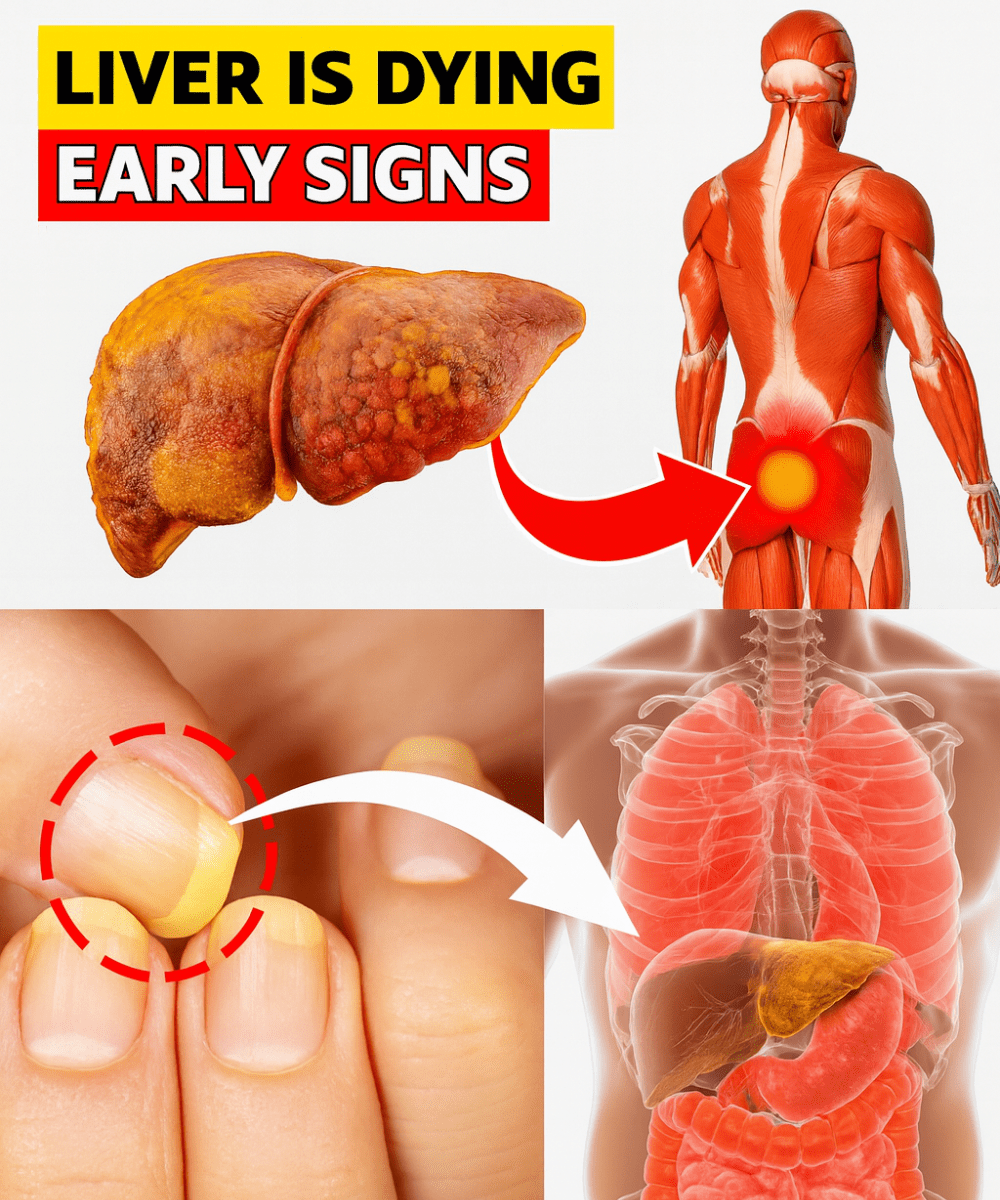
You wake up feeling off—again. The fatigue drags on you like a heavy blanket, your skin itches for no reason, and foods you once loved suddenly turn your stomach. You tell yourself it’s stress, bad sleep, or “just getting older.” But what if your liver is quietly crying for help—long before the yellow skin or swollen belly everyone associates with liver trouble?
The scary part? These early red flags are so strange and subtle that many people brush them off for months—or even years—until the damage becomes serious. The good news? Once you know what to look for, you can catch the problem early and often reverse the trend with simple changes.
Keep reading, because the 15 signs you’re about to discover might just save your liver (and your life).

Why the Liver Fails Silently—And Why That’s Dangerous
Your liver handles over 500 vital jobs: detoxing blood, storing energy, making proteins, and producing bile for fat digestion. It’s the only organ that can regenerate itself—but only up to a point.
Research published in the Journal of Hepatology shows that up to 70% of liver function can be lost before classic symptoms appear. That’s why catching the weird, early clues is crucial.
Here are 15 unusual signs that your liver might be struggling—signs you probably never connected to liver health.
1. Itchy Skin With No Rash Whatsoever
That maddening itch all over—especially on palms and soles—can happen when bile salts build up in the blood instead of being cleared by the liver. Studies in Hepatology confirm this is one of the earliest symptoms of primary biliary cholangitis (PBC), a slow-progressing liver disease.

2. Stools That Look Completely Wrong
Very pale, clay-colored, floating, or tar-black stools mean bile isn’t reaching your intestines properly. The American Liver Foundation lists this change as a top early red flag.
3. Random Nosebleeds or Bruises That Appear Out of Nowhere
Your liver makes the proteins that help blood clot. When it’s overwhelmed, even minor bumps leave big bruises or your nose bleeds for no reason.
4. Swollen Ankles and Feet by the End of the Day
Fluid retention (edema) starts in the lower legs long before the belly swells. It’s caused by low albumin—a protein your liver produces.
5. Spider-Like Red Veins on Chest, Shoulders, or Face
These “spider angiomas” appear when estrogen levels rise because a struggling liver can’t break it down properly. Dermatologists often spot them first.

6. A Constant Metallic or Bitter Taste in Your Mouth
Toxin buildup can alter taste and cause terrible breath that mouthwash can’t fix. Patients describe it as “eating pennies.”
7. Suddenly Hating Foods You Used to Love (Especially Fatty Ones)
Your body instinctively avoids foods it can’t digest well. Research in Clinical Gastroenterology and Hepatology links new food aversions to early liver dysfunction.
8. Brain Fog That Won’t Clear—No Matter How Much Coffee You Drink
When ammonia and other toxins slip past the liver into the brain, you get “hepatic encephalopathy”—even in mild form it feels like walking through syrup.
9. Bone-Deep Fatigue That Rest Doesn’t Fix
This isn’t normal tiredness. It’s a heavy, flu-like exhaustion that studies link directly to inflammation and toxin overload.
10. Tenderness or Fullness Under Your Right Rib Cage
A lot of people mistake this dull ache for gallbladder issues or muscle strain—but it’s often the liver itself swelling.
11. Nausea After Even Small Meals
Without enough bile, fats don’t digest properly, leading to bloating and nausea that hits 20–30 minutes after eating.
12. A Very Subtle Yellow Tint in the Whites of Your Eyes
Most people wait for bright-yellow jaundice, but the change often starts so faintly only good lighting reveals it.
13. Mysterious Right Shoulder or Upper Back Pain
The liver and right shoulder share nerve pathways. Referred pain here is surprisingly common and often misdiagnosed as a rotator cuff problem.

14. Waking Up Every Night Between 1–3 AM
In Traditional Chinese Medicine the liver’s “time” is 1–3 AM. Modern science now links this exact wake-up pattern to disrupted liver detox cycles.
15. Unexplained Weight Gain or Weight Loss
Rapid fluid shifts, hormone imbalance, and poor metabolism can swing the scale in either direction—without any change in diet.
Early Detection vs. Late-Stage Liver Disease: The Difference Is Huge
| Stage | Reversible? | Typical Outcome with Lifestyle Change |
|---|---|---|
| Early (fatty liver, mild inflammation) | Almost always | Full recovery possible in months |
| Fibrosis (scarring starting) | Often | Progression can be halted or reversed |
| Cirrhosis (advanced scarring) | Rarely | Management only, transplant may be needed |
Source: American Association for the Study of Liver Diseases (AASLD) guidelines
7 Actionable Steps You Can Take This Week
- Cut alcohol completely for 30 days—your liver starts healing in as little as 2 weeks.
- Swap processed foods for liver-loving ones: beets, cruciferous veggies, garlic, turmeric, and walnuts.
- Drink 2–3 cups of green tea daily—rich in catechins shown to reduce liver fat.
- Add milk thistle or dandelion root (talk to your doctor first if you take medications).
- Aim for 7–9 hours of sleep—repair happens overnight.
- Move your body 30 minutes most days—exercise lowers liver fat dramatically.
- Book a simple blood test: ask for AST, ALT, GGT, albumin, and bilirubin levels.
Final Thoughts
Your liver doesn’t scream—it whispers. Those weird itches, random bruises, food aversions, and 3 AM wake-ups aren’t “nothing.” They’re quiet SOS signals.
Listen to them now, while the fixes are still gentle and natural. A few smart changes today can spare you from a lifetime of complications tomorrow.
Frequently Asked Questions
Q: Can liver damage be reversed completely?
A: Yes—in the early fatty-liver or mild-inflammation stages, most people can return to normal liver health with diet, exercise, and abstinence from alcohol.
Q: How long does it take to see improvement after lifestyle changes?
A: Many people notice less fatigue and itching within 2–4 weeks; blood tests often improve in 1–3 months.
Q: Should I worry if I only have one or two of these signs?
A: One symptom alone is rarely cause for panic, but if you have three or more—or if they’re getting worse—see your doctor and request liver function tests.
Disclaimer: This article is for informational purposes only and is not a substitute for professional medical advice, diagnosis, or treatment. Always consult your healthcare provider if you have concerns about your liver health.